
Find all our resources: product sheets, case studies, white papers, and more.

Discover our blog dedicated to our solutions, featuring insights into technical innovations, analyses, practical tips, news, and customer feedback to support you in your projects.
Find all our resources: product sheets, case studies, white papers, and more.
CGP COATING INNOVATION, the world leader in anti-slip coatings, and a specialist in packaging and process solutions.
Discover our blog dedicated to our solutions, featuring insights into technical innovations, analyses, practical tips, news, and customer feedback to support you in your projects.
Find all our resources: product sheets, case studies, white papers, and more.
CGP COATING INNOVATION, the world leader in anti-slip coatings, and a specialist in packaging and process solutions.
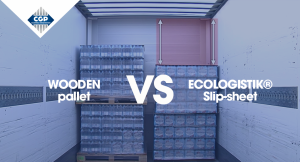
Perhaps you’ve already imagined that your pallets might well travel without one!
Then let me explain why, more than a palletizing accessory, it’s a real tool that contributes to the efficiency of your packaging:
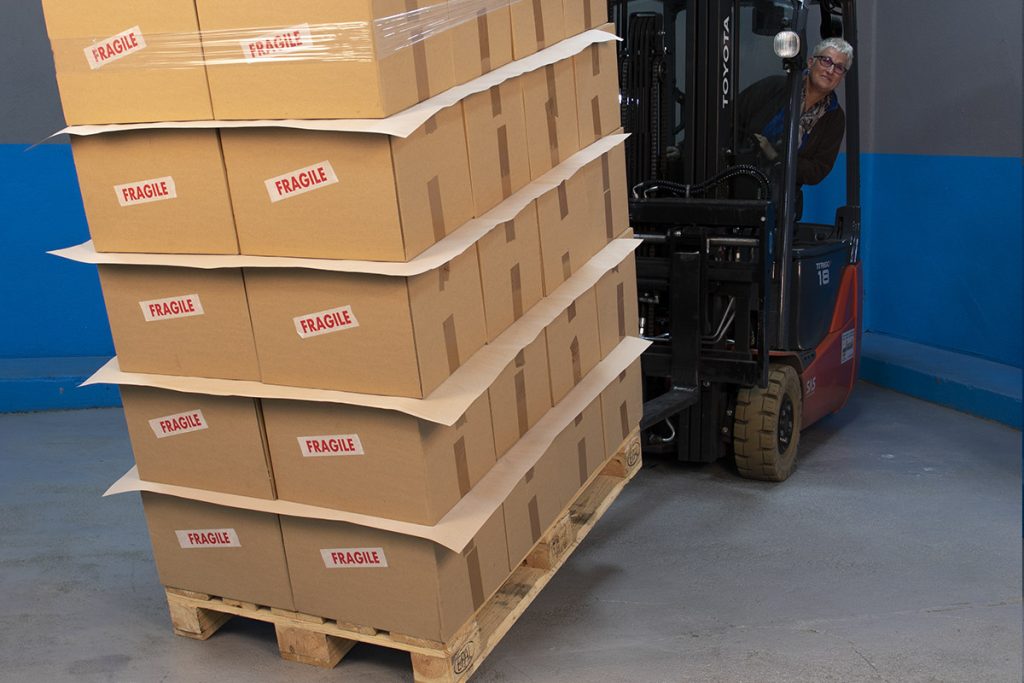
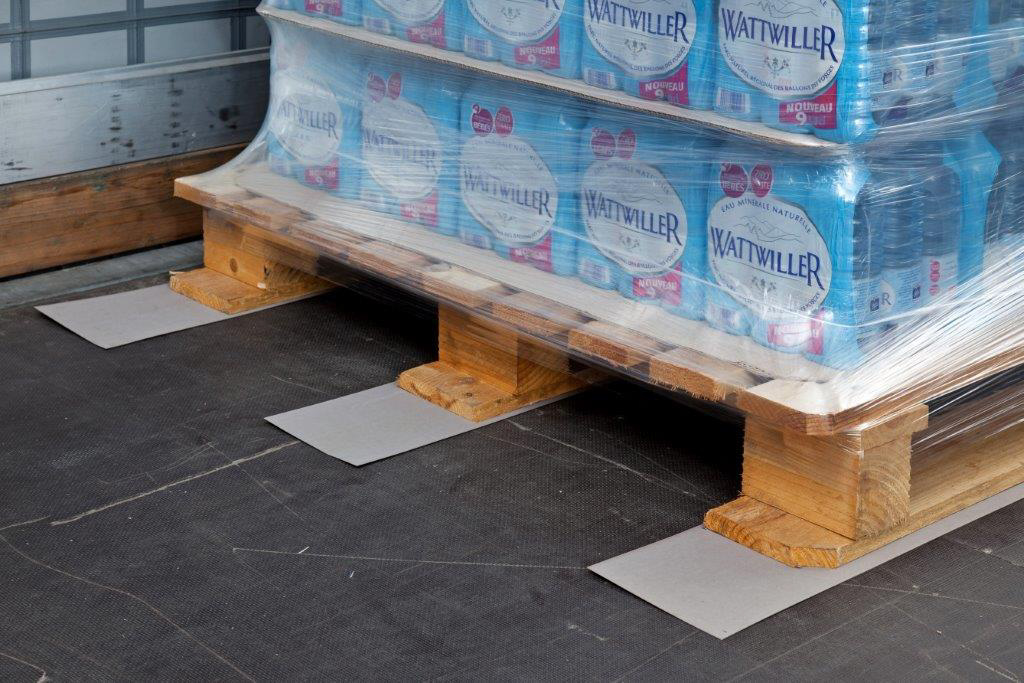
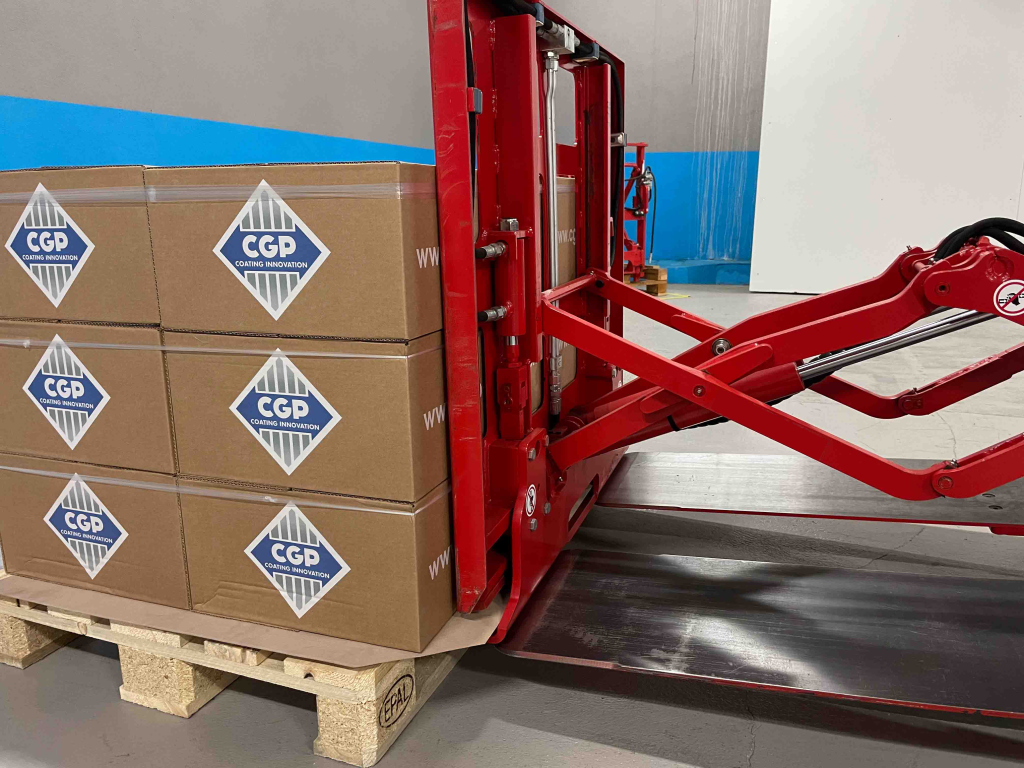
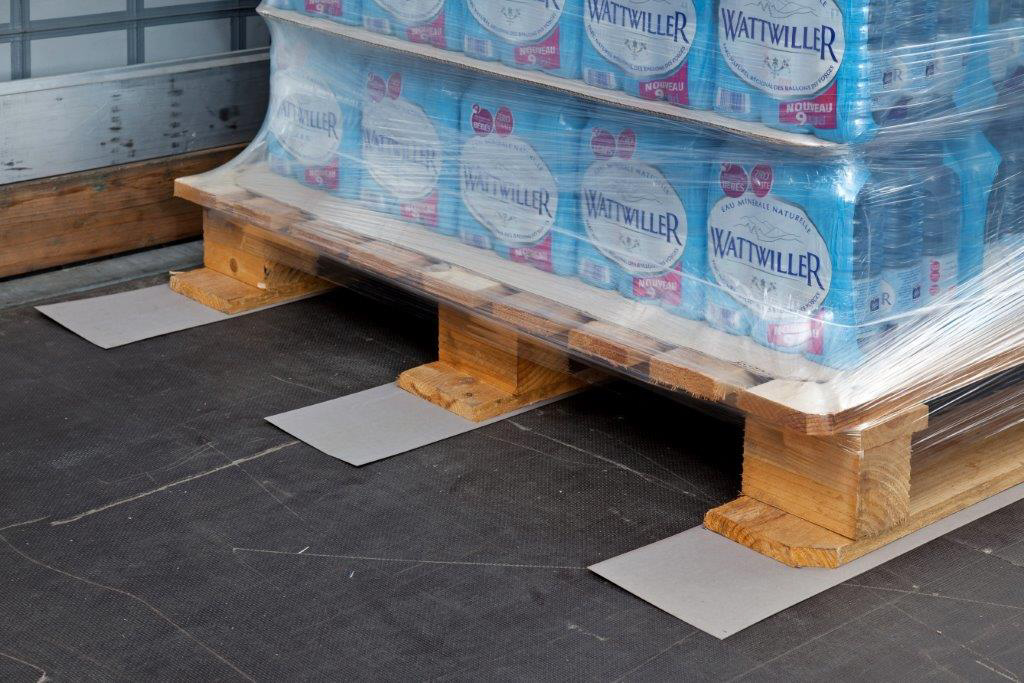
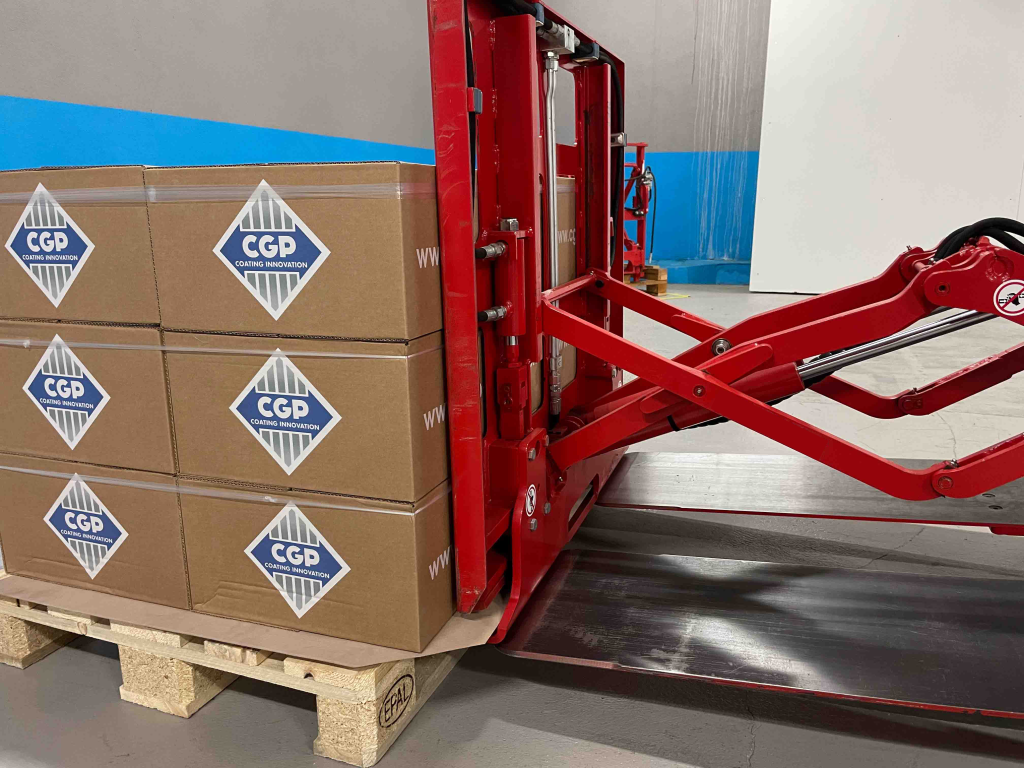
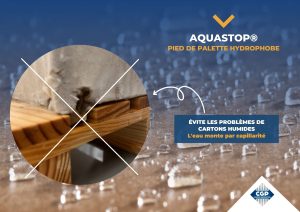
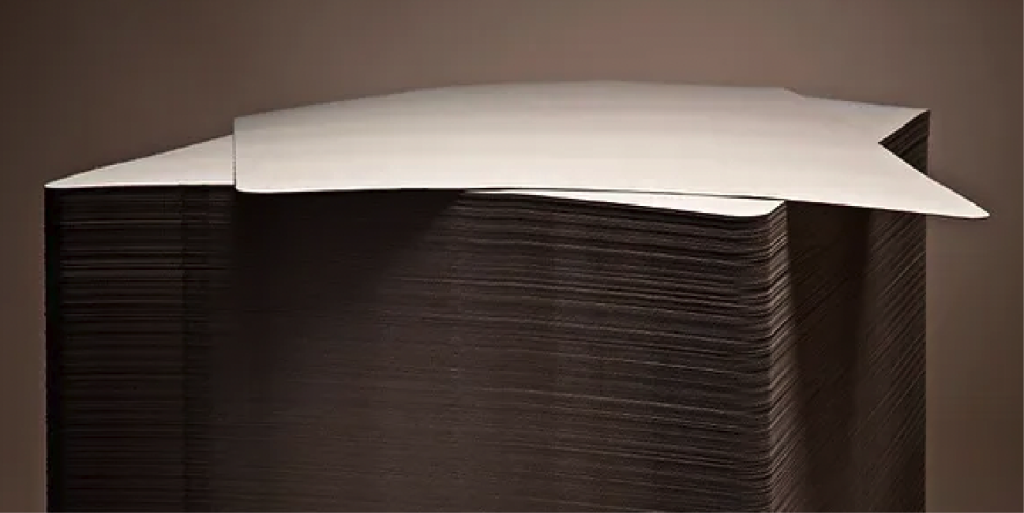
The cardboard or thick paper sheet, avoids pollution and damage associated with the use of a pallet. The cardboard format acts as a shock absorber and helps prevent perforations. It protects against marks created by wooden boards or the openwork patterns of plastic pallets. Finally, the pallet foot plate, prevents cardboard from sagging between the gaps in the boards.
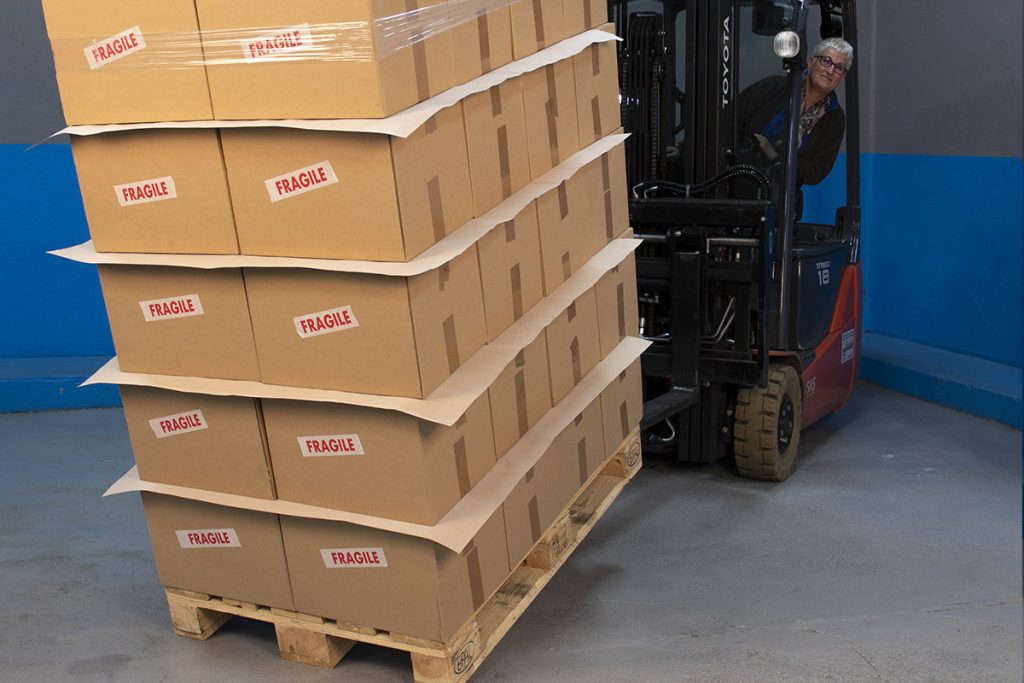
The pallet spacer separates products and prevents any pollution from faulty packaging. The cardboard spacer, also prevents rubbing and deterioration of the products between them.
Interlayers must also meet your quality and hygiene standards: ISO 22000, HACCP. They must comply with specific regulations: FDA, CE 1935/2004, CE 2023/2006 and meet the environmental requirements deployed within your company: eco-design, FSC …
The pallet spacer ensures cohesion between the various palletized product units. It also stiffens the load and contributes to a better weight distribution of palletized loads.
In the case of columnar palletization, the pallet spacer ensures the stability and cohesion of the layers, enabling the height of the palletized load to be increased.
Depending on the type of spacer, it provides a flat surface for stacking irregularly shaped or shapeless products.
Thanks to a palletizing tray with non-slip surface, you can remove packaging or shipping cartons and palletize your products directly into their ready-to-sell packaging.
You have a wide choice of materials: paper layer pads , solid board sheets, single- or double-flute corrugated cardboard, honeycomb cardboard, plastic film, plastic layer pads, wooden sheets… And for each option, you’ll need to define the optimum grammage to avoid shearing and ensure the necessary rigidity of your pallet. Finally, should the pallet insert be the same size as, smaller than or larger than the surface area occupied by the products? For example, for a Europe pallet: 800X1200mm, choose a smaller format 780X1180mm, which will prevent the format from recessing the products for better presentation.
At the foot of the pallet (bottom), to protect products from the rising damp of the wooden pallet and its minor and major defects. Between layers, to stabilize the column or cross load and provide cohesion between layers. As a pallet cover, to protect against stacking and dust, or all 3!
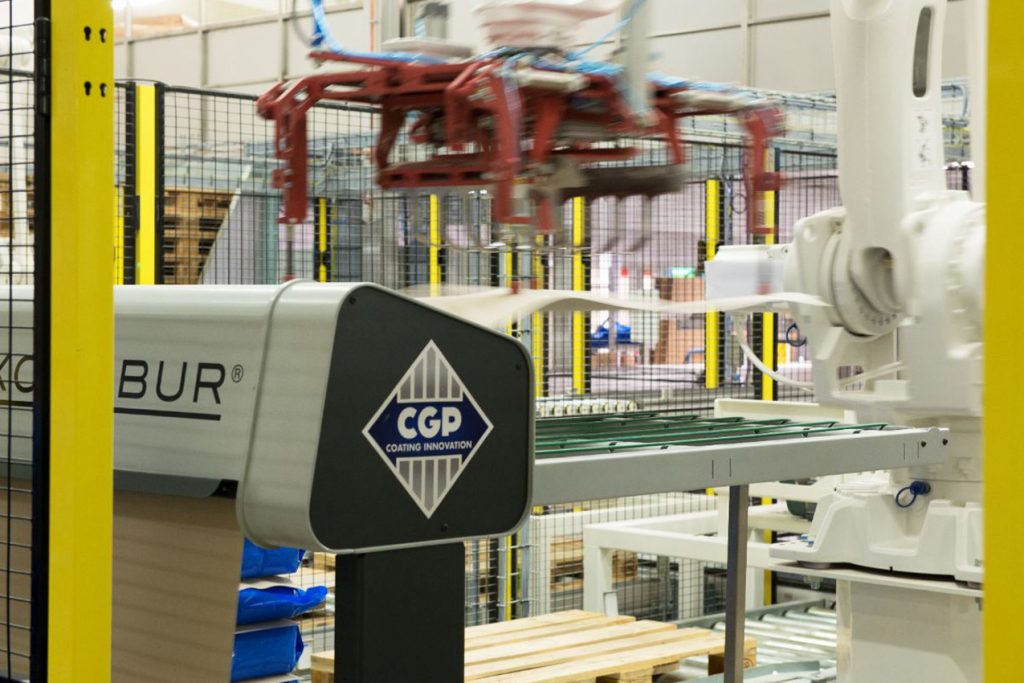
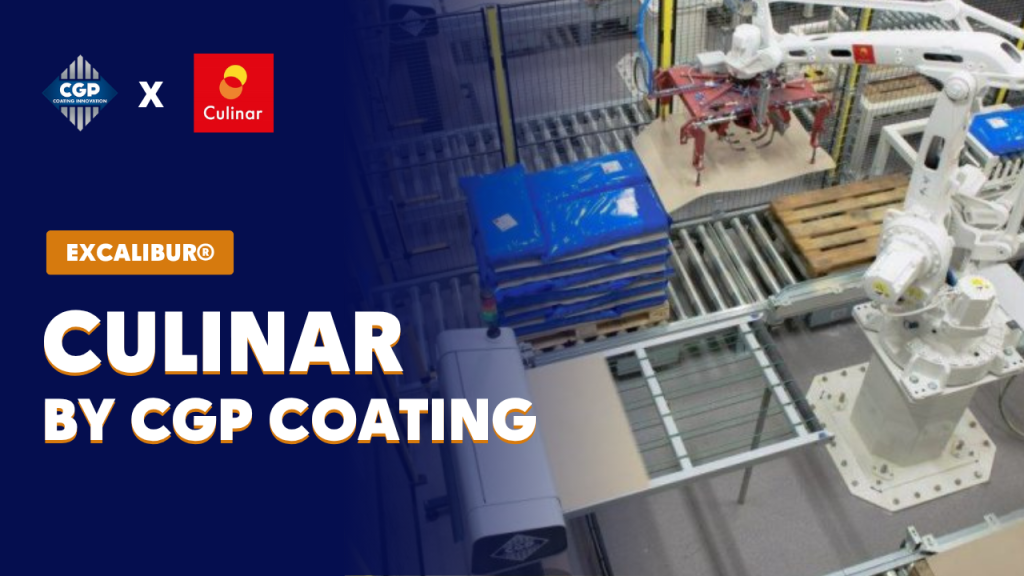
First of all, you need to check that your palletizer is properly equipped to apply layer pads . You’ll also need to make sure that you have a warehouse and a gripping system capable of handling pallet dividers.
Do your teams know all the subtleties involved in optimizing automatic pallet layer placement? Do you have the internal resources to deal with these issues, or do you need expert advice in this field?
CGP Coating Innovation can help you make the right choice!
Our team supports you in finding the solution that best fits your needs