Our Products
Logistic Packaging
Slip Sheets & Pallet Liners
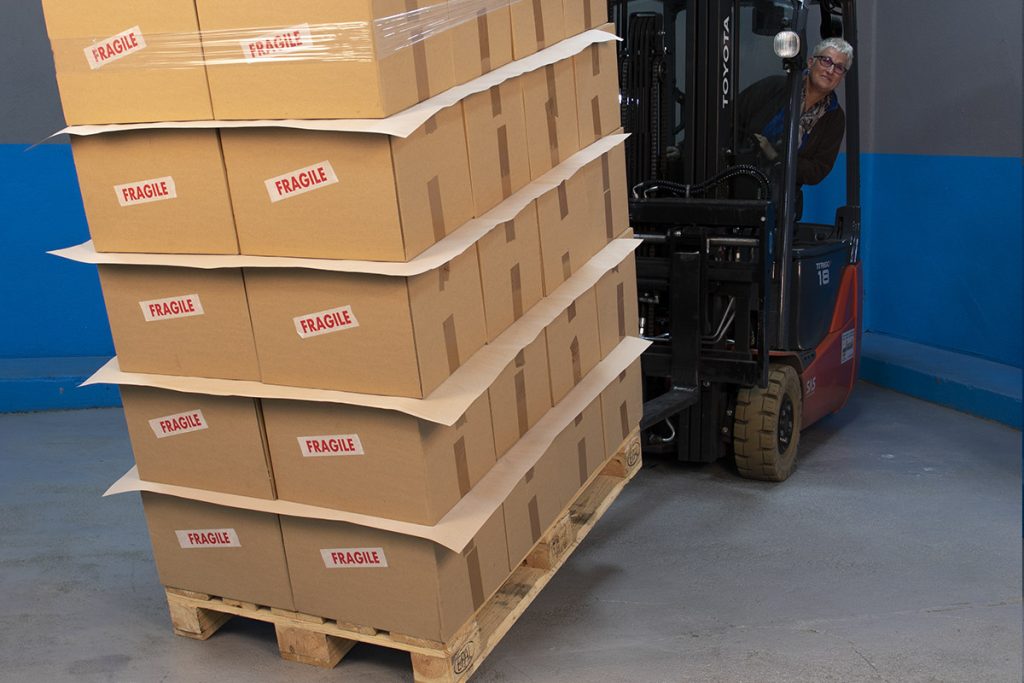
Automatic Palletising
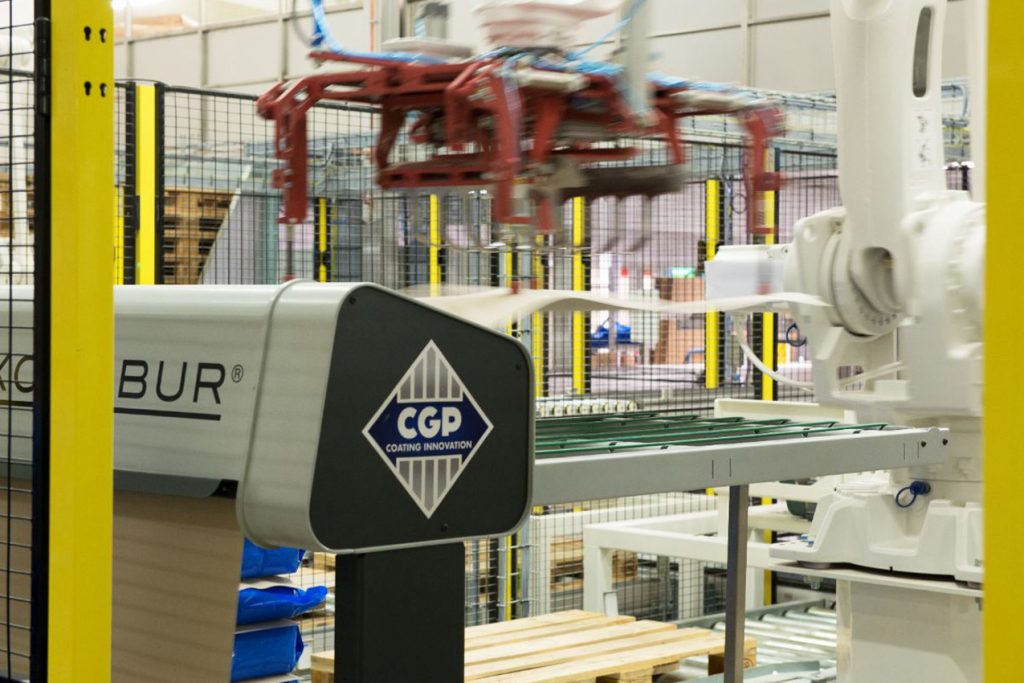
Elastic Pallet Bands
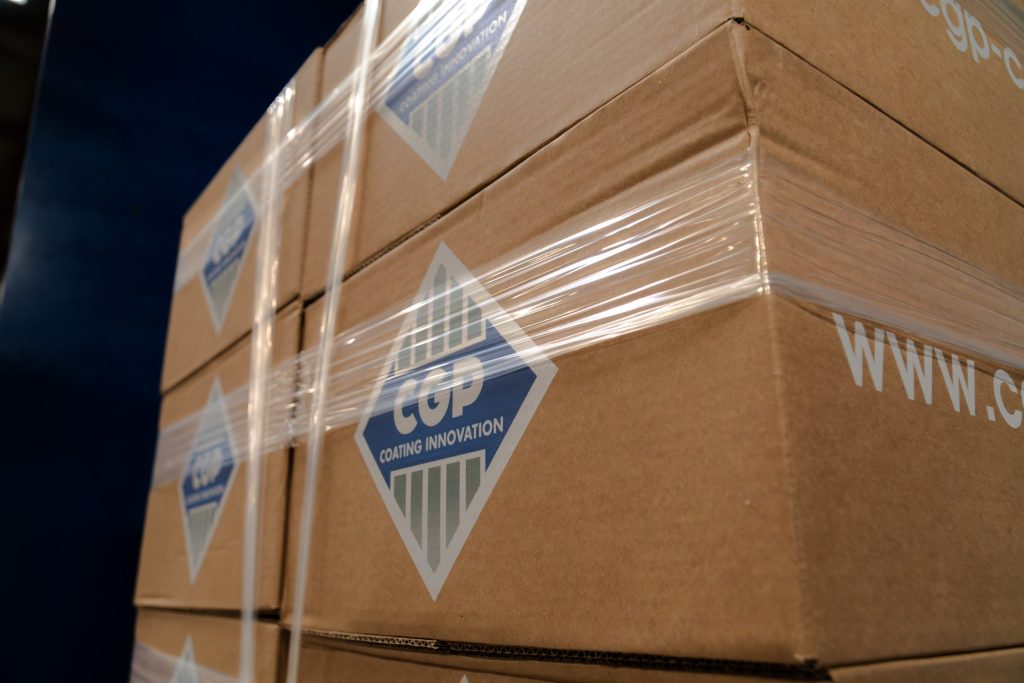
Load Securing and Load Unit
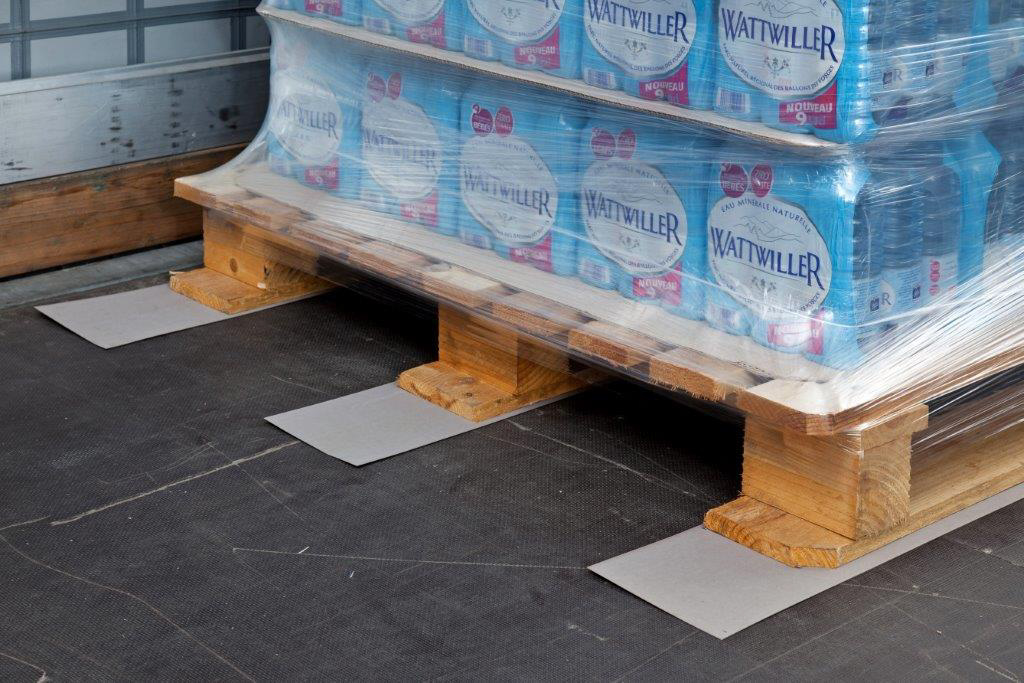
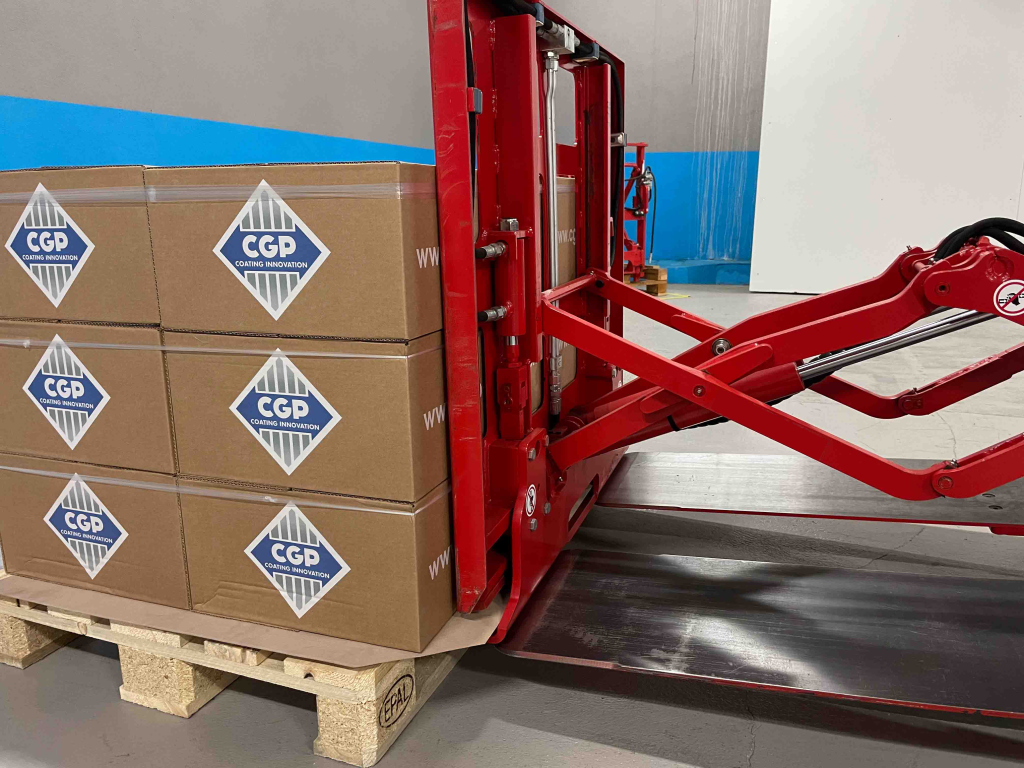
Slip-sheet pallet less handling
Protective Packaging
Transition Packaging from Plastic to Paper
About Us
About CGP
CGP Group
Professions – Manufacturer
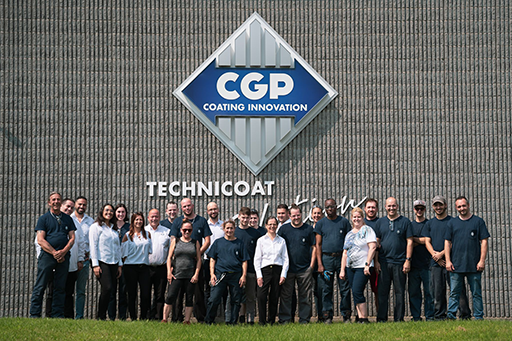
Team
Resources
Blog
Our News
Testimonials
Documentations
Documentation
Find all our resources: product sheets, case studies, white papers, and more.
- Home
- Our Products
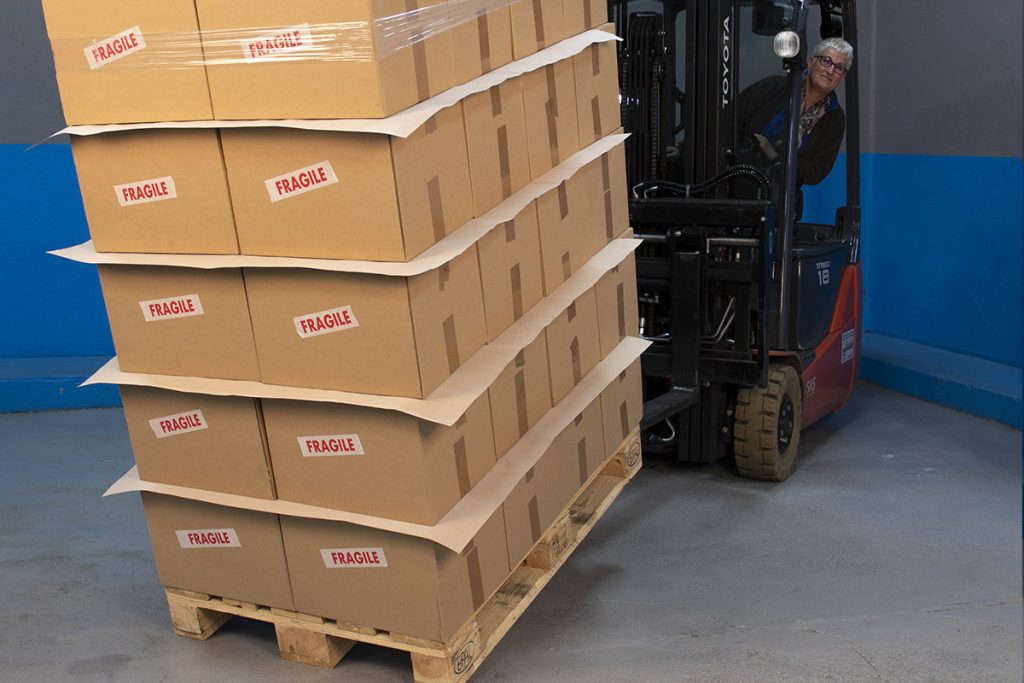

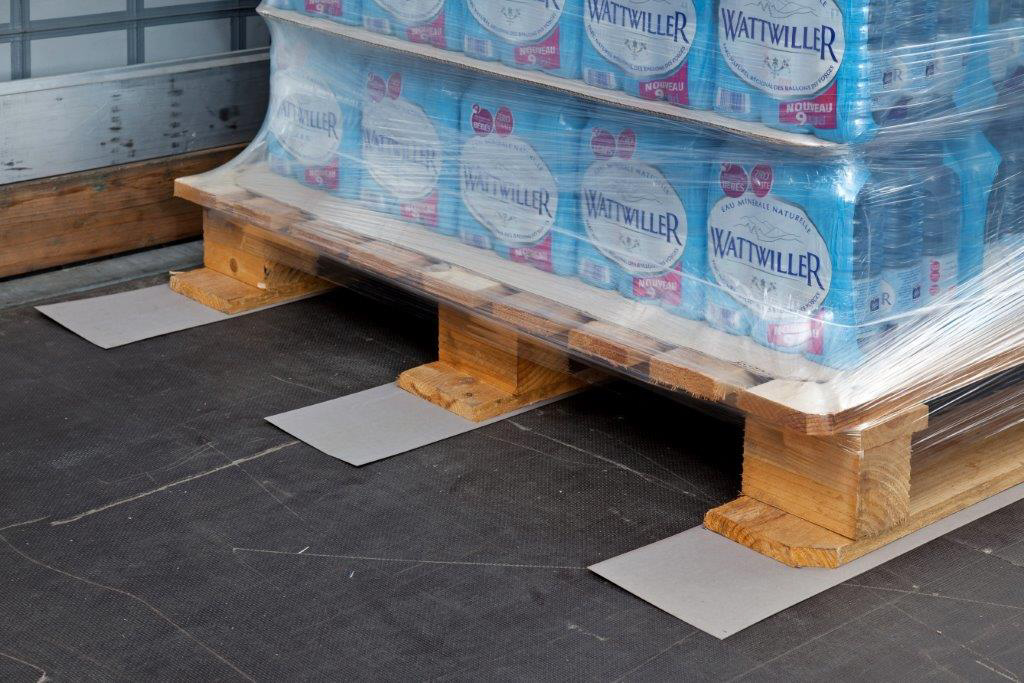
High-definition 8-color printing available across our entire range.
Our News
Discover our blog dedicated to our solutions, featuring insights into technical innovations, analyses, practical tips, news, and customer feedback to support you in your projects.
- Resources
Our News
Documentation
Find all our resources: product sheets, case studies, white papers, and more.
- About us
A group firmly focused on its clients and international development
CGP COATING INNOVATION, the world leader in anti-slip coatings, and a specialist in packaging and process solutions.
About
Professions – Manufacturer
Group
TEAM
Latest news




- Home
- Our Products
High-definition 8-color printing available across our entire range.
Our News
Discover our blog dedicated to our solutions, featuring insights into technical innovations, analyses, practical tips, news, and customer feedback to support you in your projects.
- Resources
Our News
Documentation
Find all our resources: product sheets, case studies, white papers, and more.
- About us
A group firmly focused on its clients and international development
CGP COATING INNOVATION, the world leader in anti-slip coatings, and a specialist in packaging and process solutions.
About
Professions – Manufacturer
Group
TEAM
Latest news