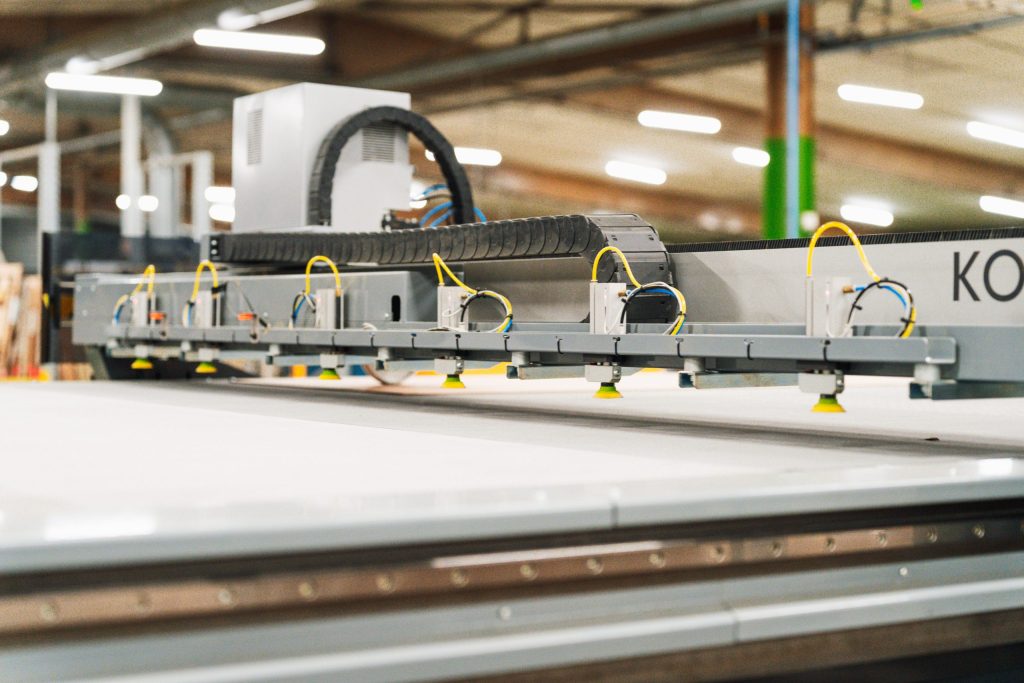

Equipped with a modern and diverse fleet of machines, CGP BERRY offers a wide range of products, from corrugated to solid board, including creative papers and innovative solutions for point-of-sale advertising (POS).
Access all our resources: Product sheets, case studies, white papers, and more.

Equipped with a modern and diverse fleet of machines, CGP BERRY offers a wide range of products, from corrugated to solid board, including creative papers and innovative solutions for point-of-sale advertising (POS).
Explore our blog dedicated to our solutions, featuring insights into our technical innovations, expert analyses, practical advice, news, and feedback to support you in your projects.
Access all our resources: Product sheets, case studies, white papers, and more.
CGP COATING INNOVATION, the world leader in anti-slip coatings, and a specialist in packaging and process solutions.
Equipped with a modern and diverse fleet of machines, CGP BERRY offers a wide range of products, from corrugated to solid board, including creative papers and innovative solutions for point-of-sale advertising (POS).
Explore our blog dedicated to our solutions, featuring insights into our technical innovations, expert analyses, practical advice, news, and feedback to support you in your projects.
Access all our resources: Product sheets, case studies, white papers, and more.
CGP COATING INNOVATION, the world leader in anti-slip coatings, and a specialist in packaging and process solutions.
Some questions about the need to be satisfied, the constraints that must be taken into account, the type of pallet interlayer, where to position them and how to successfully implement it.
As with all your packaging, you must ask yourself the right questions in order to reduce your risks and optimize your costs.
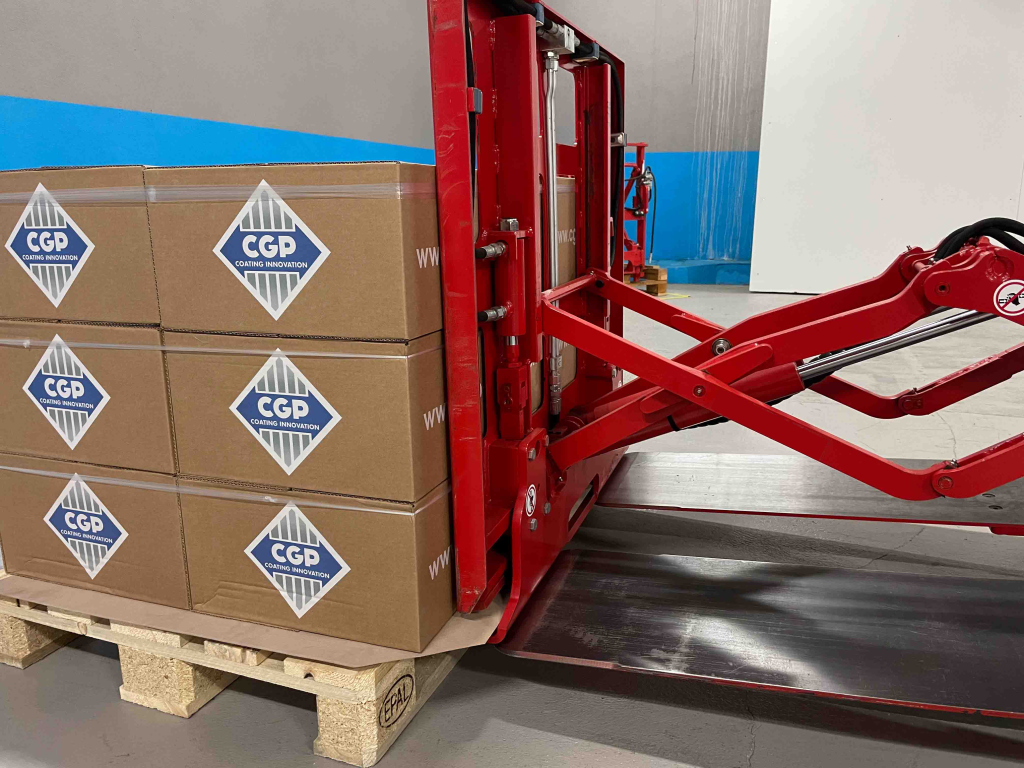
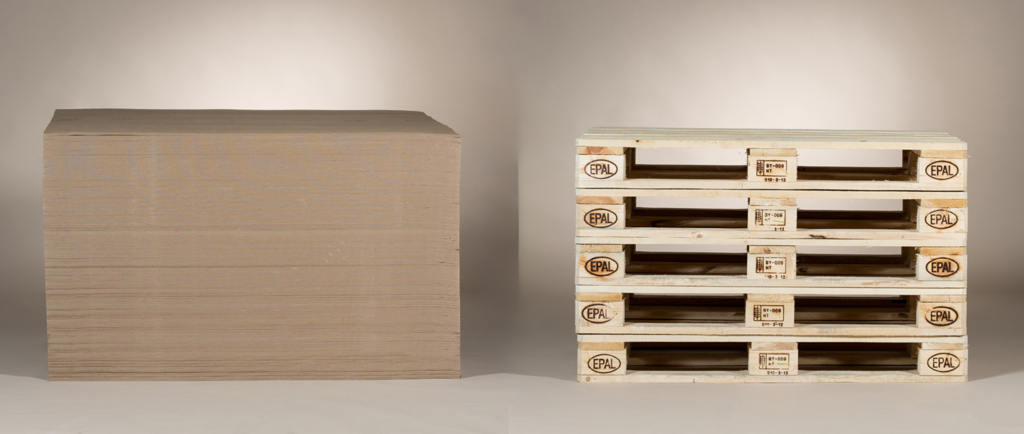
Wondering what a simple sheet placed between your products during transport or storage is actually for? The pallet layer pad is, in fact, a key element of your logistics.
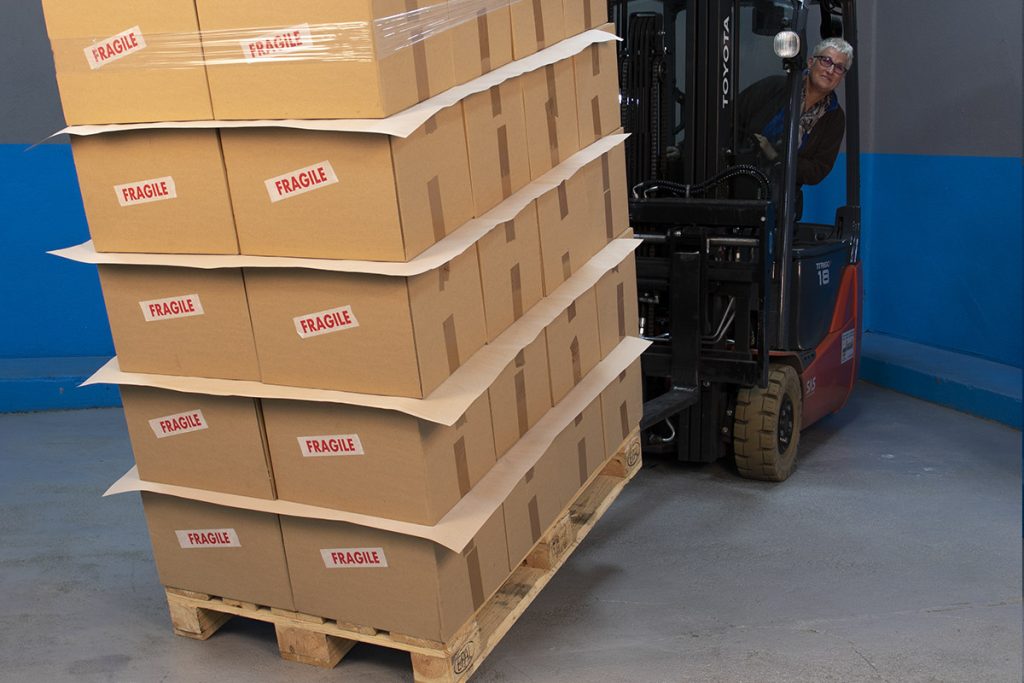
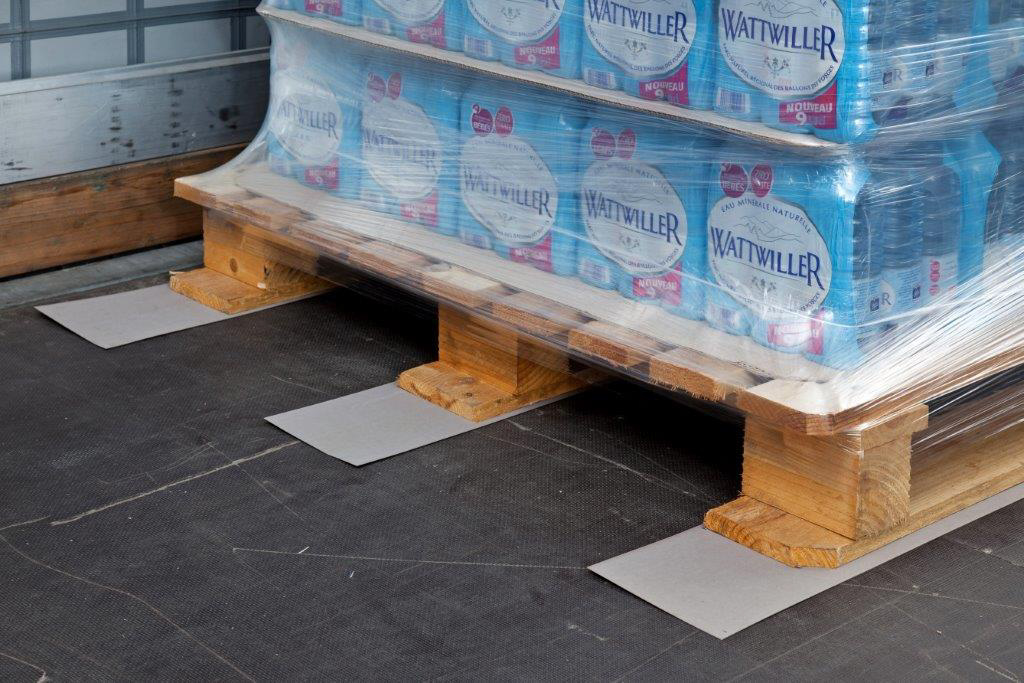
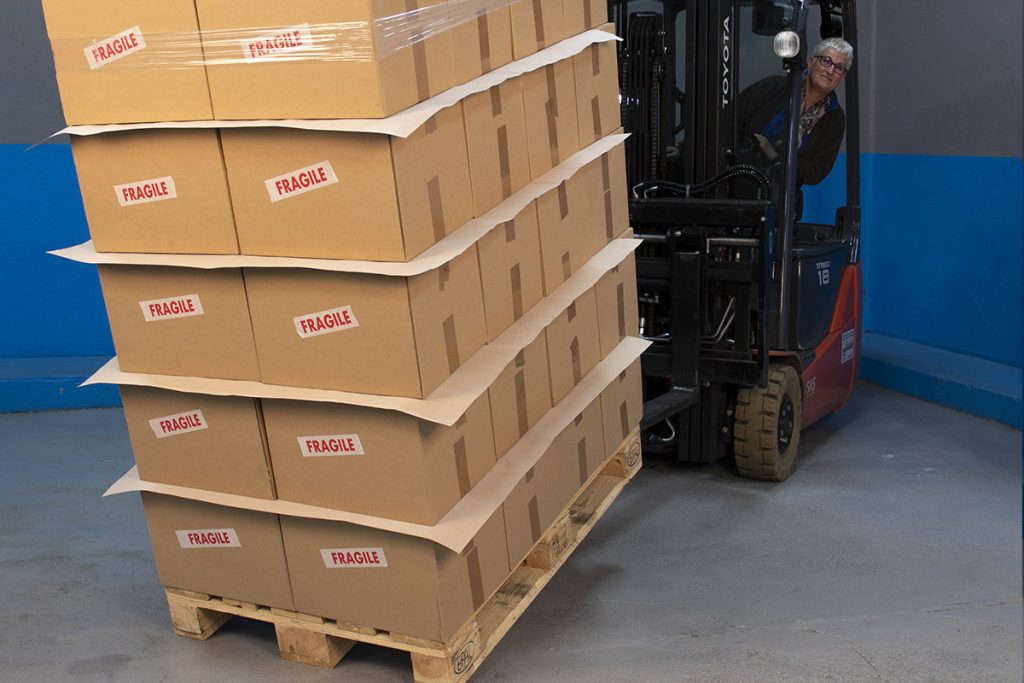
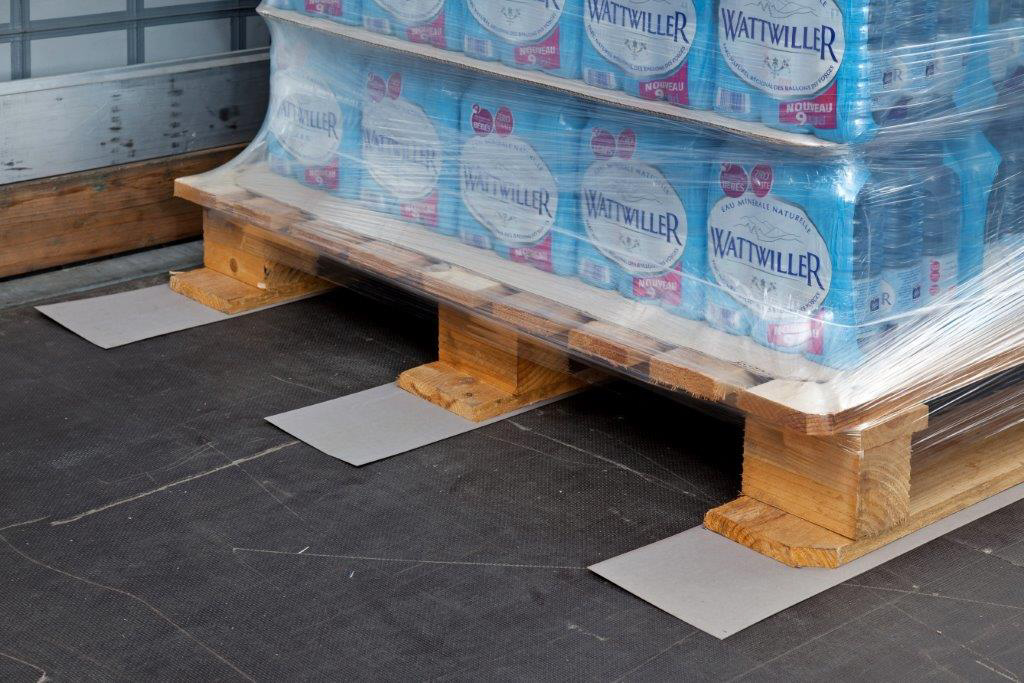
When placed beneath the pallet, it protects your cartons from wooden slats or holes in plastic pallets, helping to prevent deformation and punctures. Slotted between product layers, it reduces friction, prevents cross-contamination (particularly when packaging is damaged), and ensures better weight distribution. Positioned on top of the pallet, it acts as a shield against dust and impacts. Some models even comply with hygiene standards (ISO, HACCP, FDA…) and are eco-designed.
But there’s more:
– Layer pads stabilise your loads, especially when stacked in columns.
– They improve the cohesion of your products, even the most irregular ones.
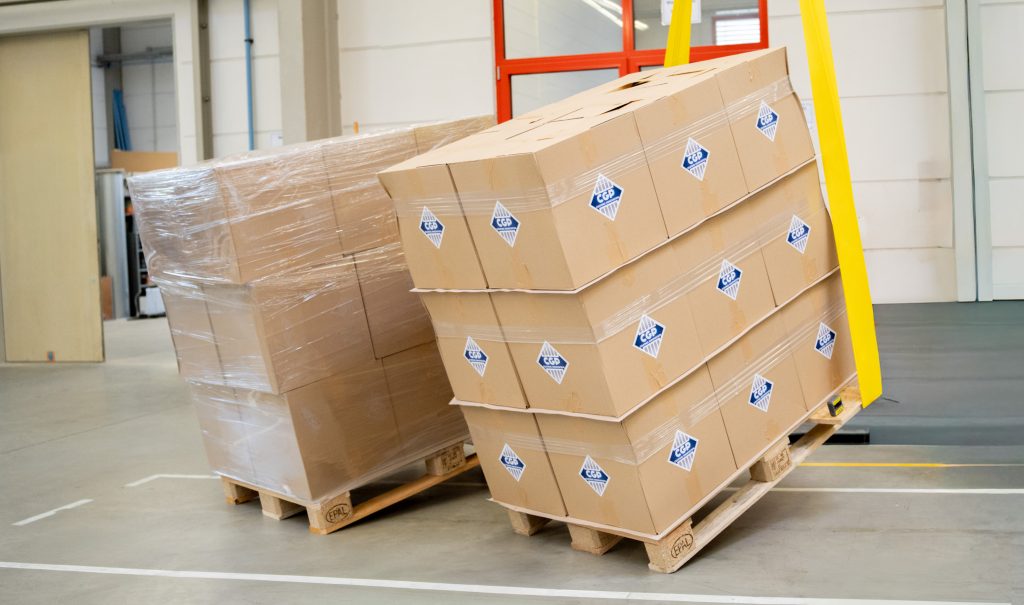
– And with an anti-slip surface, you can skip the shipping cartons and palletise your ready-to-sell products directly.
In short, if you’re looking to protect your goods, increase stability, and optimise your logistics flow, the pallet layer pad is your best ally.
For example, liquid, pulverulent or pasty loads move during transport, they are more difficult to stabilize. Very light products are more difficult to stabilize than heavy products, on the contrary, heavy loads of small shapes tend to shear the interlayer. Some geometric shapes present a risk of perforation for neighboring lots?
Bottles, Cartons, Bags, Cans, Jerrycans, Buckets, Big-bag …
Take into account the types of pallets: A corrugated cardboard pallet will lack rigidity. The paper pallet will be flexible and unstable. A plastic pallet will be slippery especially if the palletized products are also made of plastic. The base of a molded wood composite pallet has rough edges that will be a potential source of instability. A lost wooden pallet will have large gaps between each slat that potentially damage your products.
Wood pallet, composite, plastic, cardboard pallet …
Are your products placed on wooden pallets, plastic pallets or cardboard pallets?
Are your pallets intended for travel or simply for internal storage handling?
It will also be necessary to analyze what is the path taken by the pallet: Does it undergo multiple loading and unloading? Is it shipped in groupage, are the pallets stacked during storage and / or during transport?
What modes of transport will the pallet have to resist? Road, rail, sea, air, mail transport?
The dividers must also meet your quality and hygiene standards: ISO 22000, HACCP. They must comply with specific regulations: FDA, EC1935 / 2004, EC 2023/2006 and meet the environmental requirements deployed within your company: eco design, FSC …
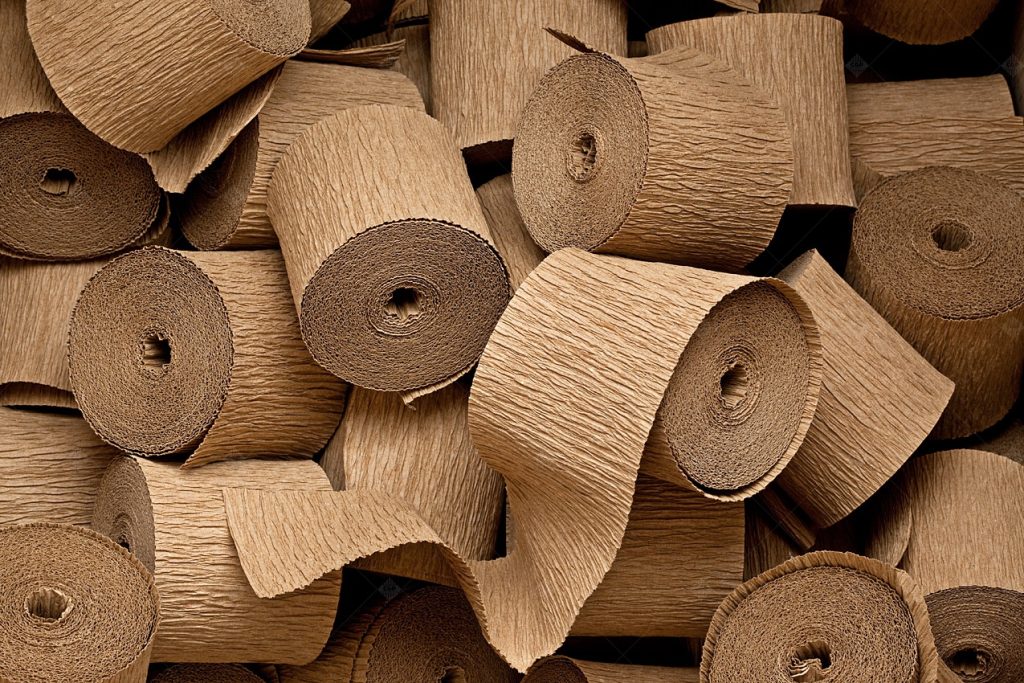
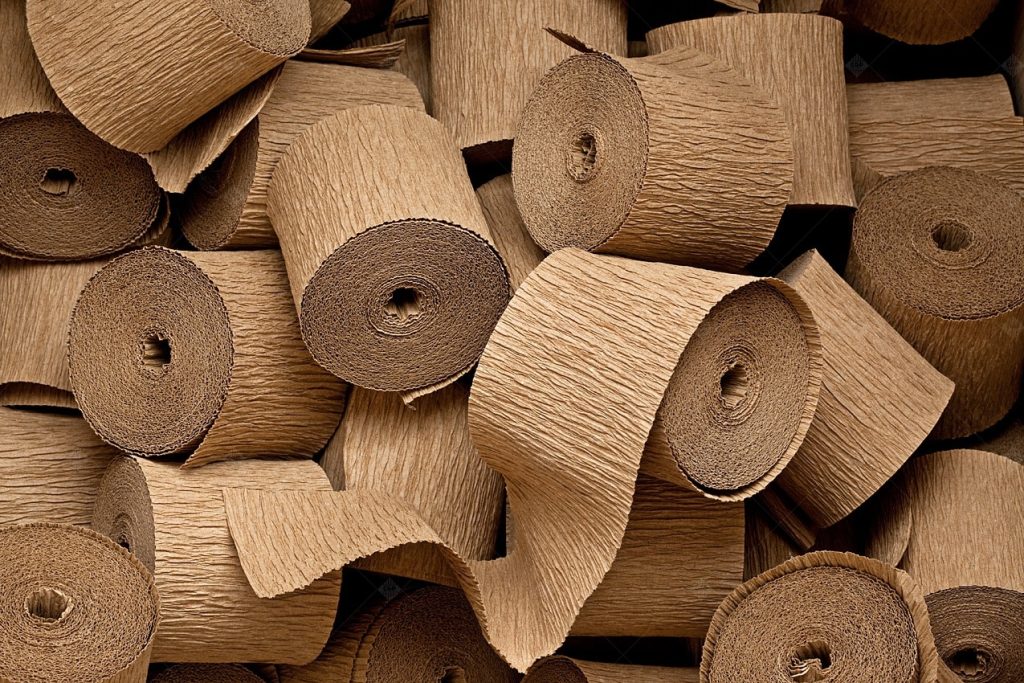
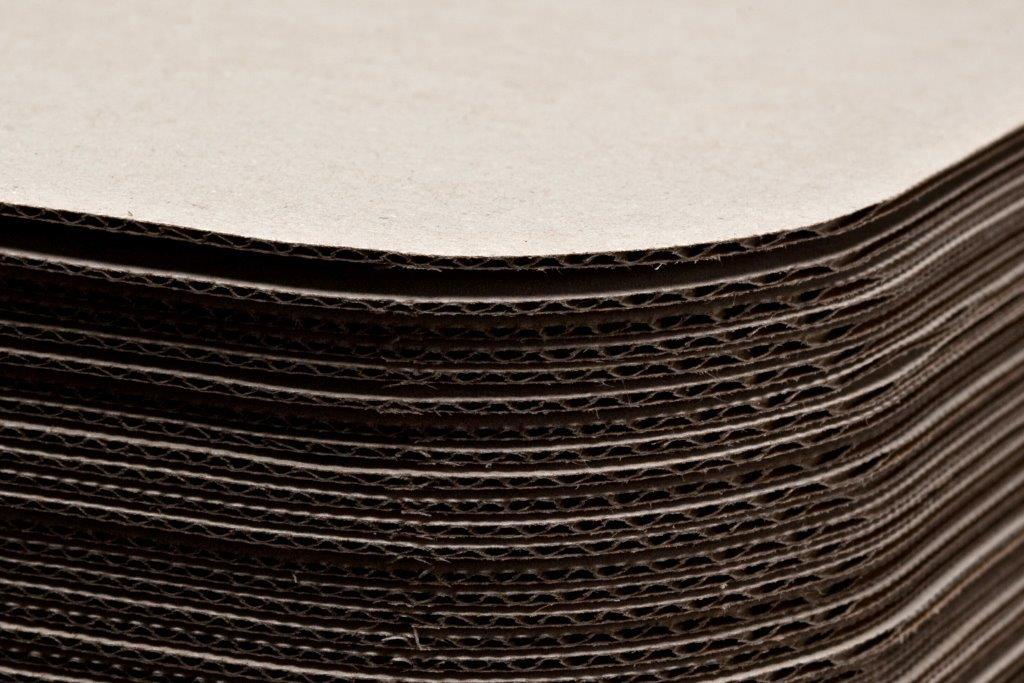
The choice of materials is wide: paper interlayer, compact insert cardboard, single or double corrugated cardboard, honeycomb cardboard, plastic film, plastic interlayer, wooden plate … And for each possibility, you will have to define the optimum grammage to avoid shearing and ensure the necessary rigidity. Finally, should the interlayer be the same size, smaller or larger than the area occupied by the products? … It will be necessary to choose the size of the format.
For example for a European pallet: 800X1200mm, take a smaller format 780X1180mm, which will prevent the format from remaining behind the products for a better presentation.
At the bottom of the pallet (bottom sheet), in order to protect the products against rising damp from the wooden pallet and its minor and major defects. In inter-layers, so as to stabilize the columnar or cross load and bring cohesion between the layers. As a pallet cover, to protect against possible stacking, but also to protect against dust.
Or all 3!
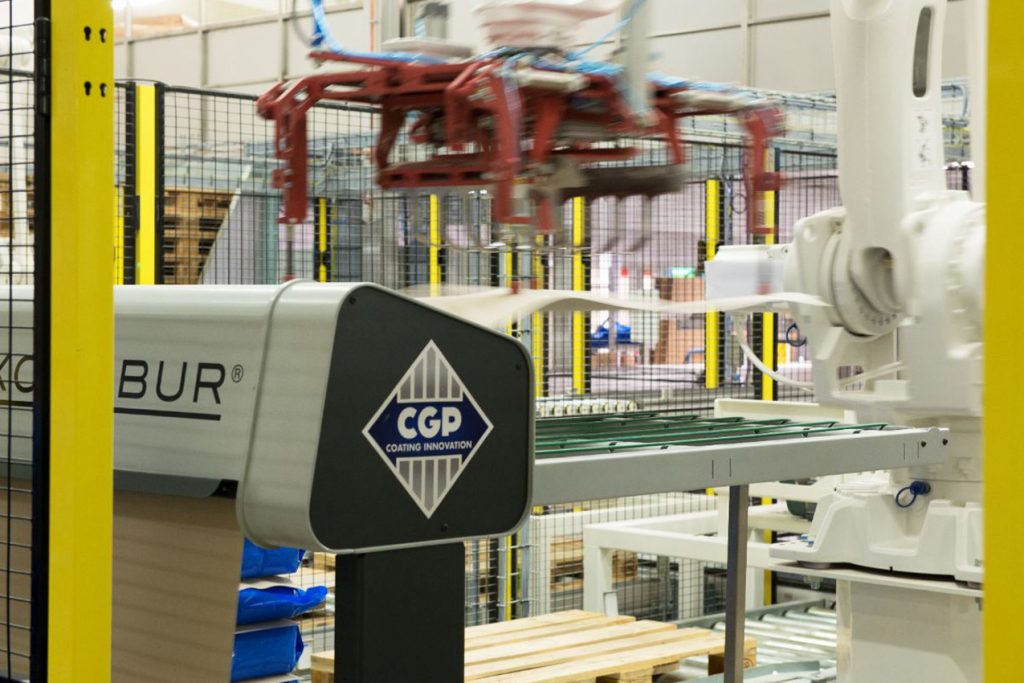
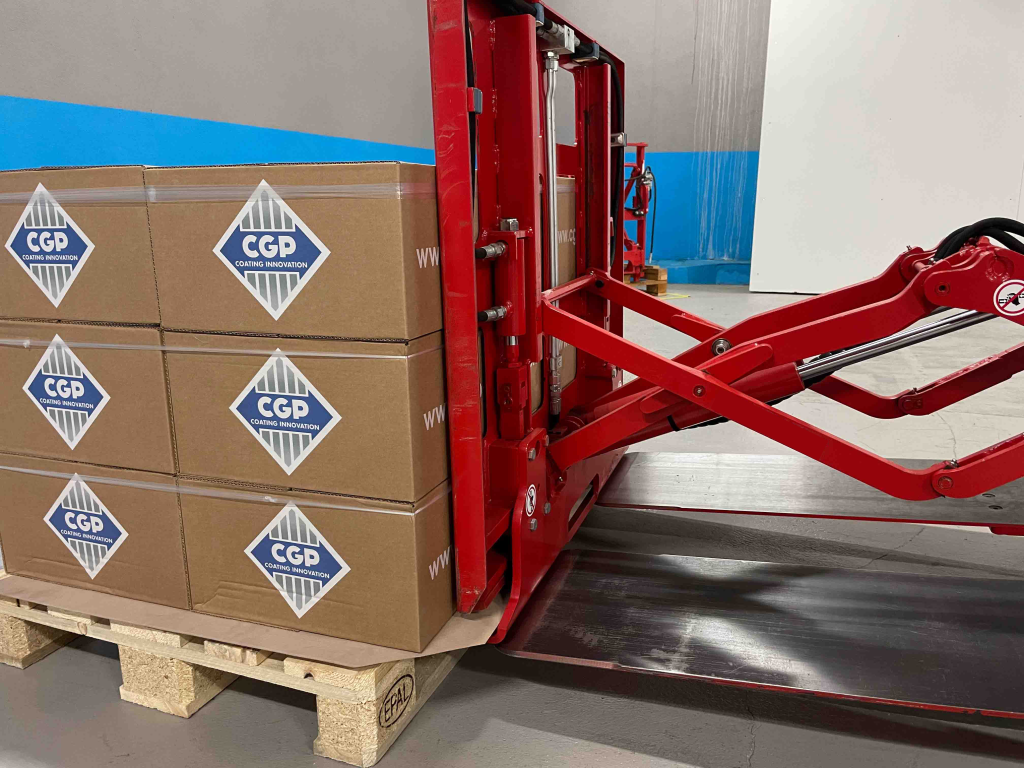
First of all it is necessary to check that the palletizer is equipped to deposit spacers. It will also be necessary to ensure that you have a warehouse and a gripping system capable of handling pallet dividers.
Do your teams know all the subtleties to properly optimize the gripping of formats? Do you have the internal resources to deal with these topics or do you need expert advice in this area?
CGP Coating Innovation teams support you to make the right choice!
The CGP Coating Innovation teams can help you make the right choice!