








Stretch film: how can you protect your pallets effectively?
- Karine Morel
- [wpcode id="48710"]
Table of content
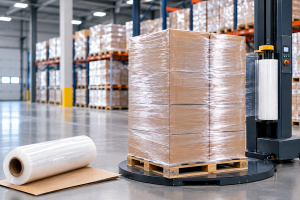
Excessive film consumption increases the cost of every pallet. However, adding more wraps is not always enough to prevent film breakage, deformed cartons or loads shifting during transport. To control costs and ensure load stability, you need to look at both the film selected and how it is applied. So, how do you choose the right stretch film?
The different types of stretch film vary according to their application method, manufacturing process and properties. Manual or machine-applied, cast or blown, pre-stretched or non-pre-stretched: these criteria can be combined. The right choice depends on the load and the level of stability achieved.
Comparing micron thickness or price per kilogram is therefore not enough. You also need to test the film on your pallets.
1- What are the main types of stretch film?
The same film can be cast, pre-stretched, designed for manual application and contain recycled material.
| Criteria | Types of film | What to consider |
|---|---|---|
| Application | Manual or machine | Compatibility with the wrapping station |
| Manufacturing process | Cast or blown | Properties suited to the load |
| Stretching | Pre-stretched or stretchable | Required effort and machine settings |
| Structure | Multilayer or nanolayer | Measured load retention and resistance |
| Appearance | Transparent, coloured or opaque | Visibility of the contents |
| Material | With or without recycled content | Declared composition |
2- Manual, machine or pre-stretched film: what are the differences?
Manual stretch film
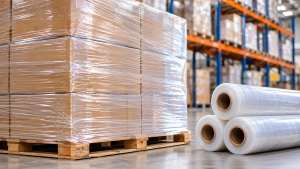
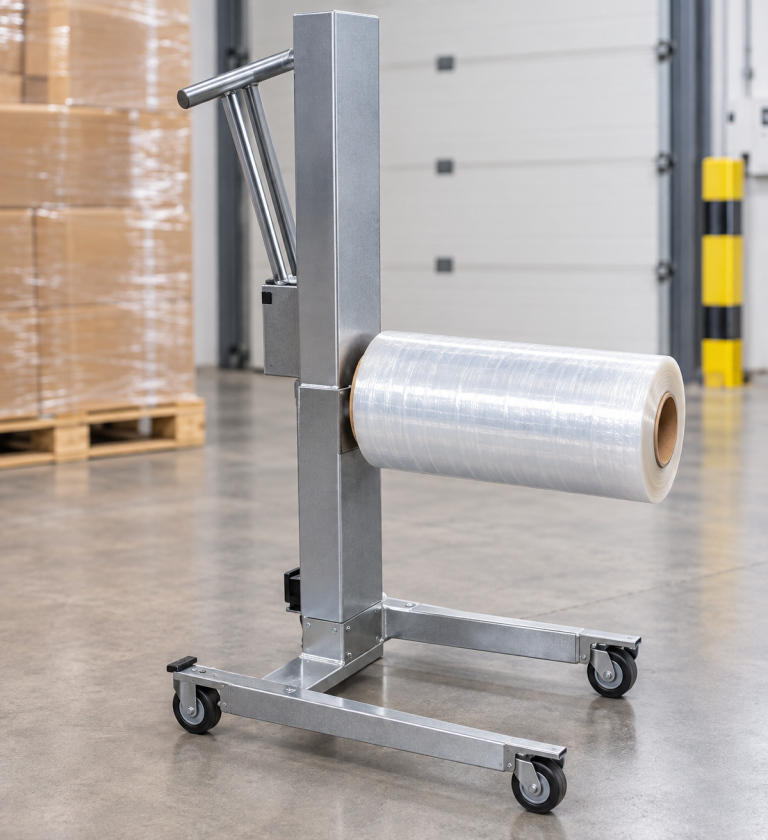
It is applied by hand, often using a dispenser. It is suitable for wrapping stations without a pallet wrapper. Load retention depends on the operator’s technique, the tension applied and the overlap between layers. The effort required from the operator is also an important factor.
Machine stretch film
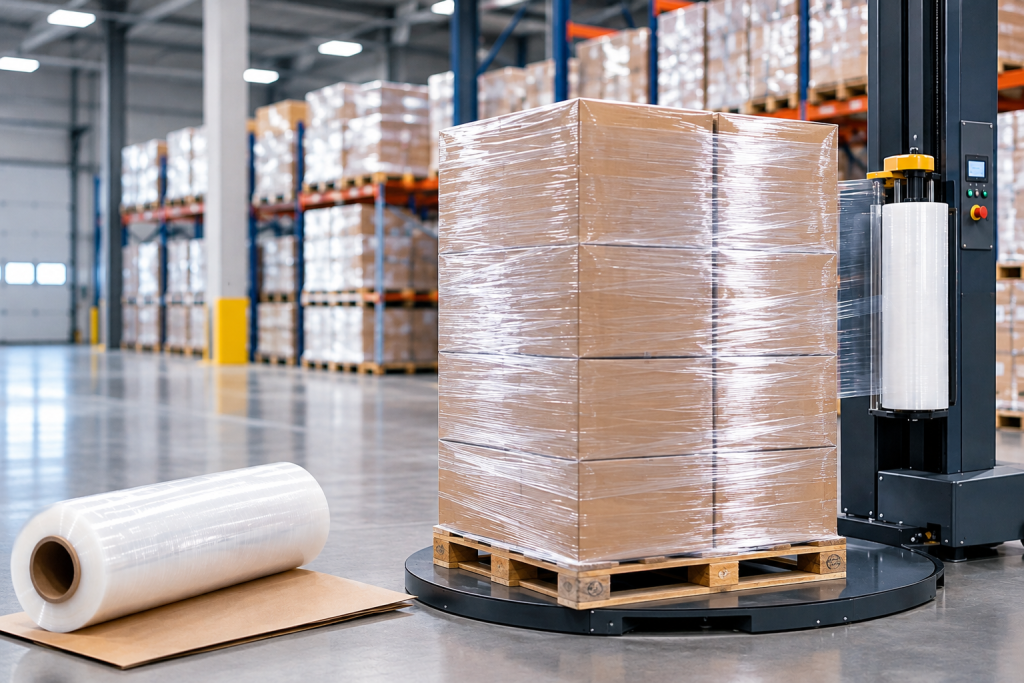
It is applied using a pallet wrapping machine. It must be compatible with the machine’s stretching system and settings. A machine with a mechanical brake and one with powered pre-stretch do not put the same demands on the film.
Pre-stretched film
It has already been stretched during the manufacturing process. It requires less stretching during application. Both manual and machine versions are available.
Pre-stretching on a pallet wrapper is different: the machine stretches the film immediately before applying it.
3- Cast or blown stretch film: what should you compare?
Cast film is manufactured flat and then cooled on rollers. It is generally transparent and quieter to unwind.
Blown film is produced by forming a bubble, which is then cooled and flattened. It is often chosen for its strength and load retention properties. It is generally less transparent and noisier to unwind.
These general characteristics are not enough to make a choice. Compare puncture resistance, tear resistance and the level of load retention achieved. Composition, thickness and stretchability also influence the results.
4- High-performance, coloured or recycled films: what are their purposes?
High-performance films, including certain nanolayer products, are designed to provide the required load retention while using less material. The savings must be verified on your production line.
Transparent film makes it easier to inspect the contents. Opaque film conceals them. Colour helps with identification but does not determine the film’s strength.
Film containing recycled material should also be tested. Its recycled content does not guarantee that it will be easy to recycle after use.
5- How do you choose the right stretch film for your pallet?
Consider five key factors:
The load: weight, height, rigidity, corners and stacking.
The wrapping station: manual or machine application, pre-stretch, production speed and settings.
Transport conditions: impacts, vibrations, duration, temperature and humidity.
Load stability: retention at different heights, film breakage and deformation.
Cost per pallet: film weight, application time and waste.
After changing the film or adjusting the machine settings, check load stability again.
6- An example: thickness alone is not enough
In a test published by Manupackaging, an initial 17 µm film provides less load retention than a 23 µm film under identical settings. Another 17 µm product subsequently achieves the required level of performance.
These measurements demonstrate the impact of film properties. They do not prove that a 17 µm film is suitable for every type of pallet.
7- What role does anti-slip paper play?
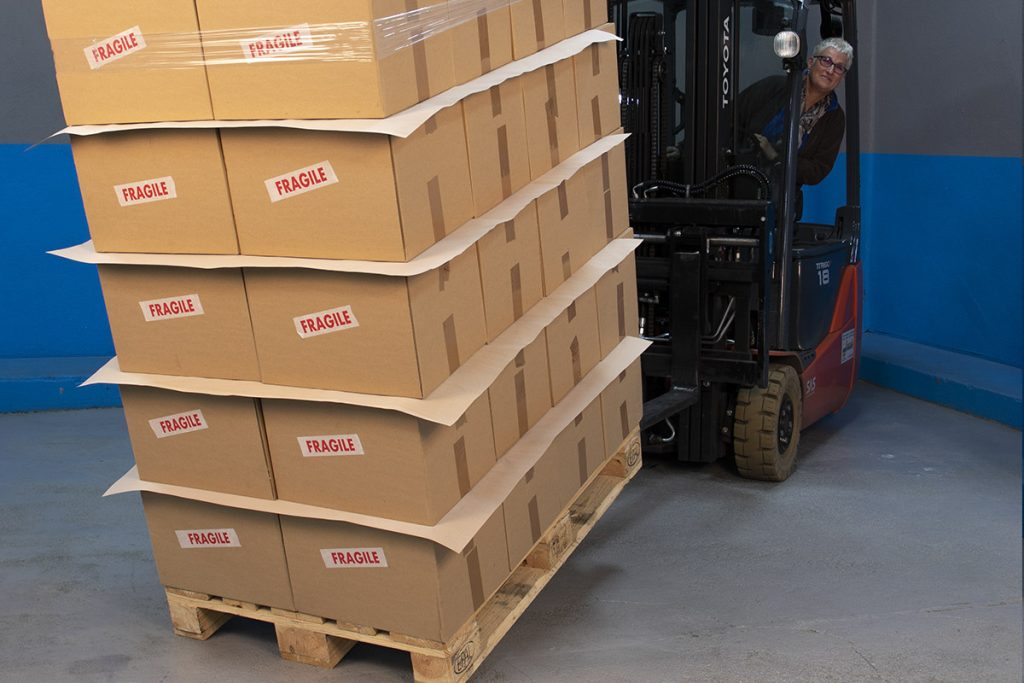
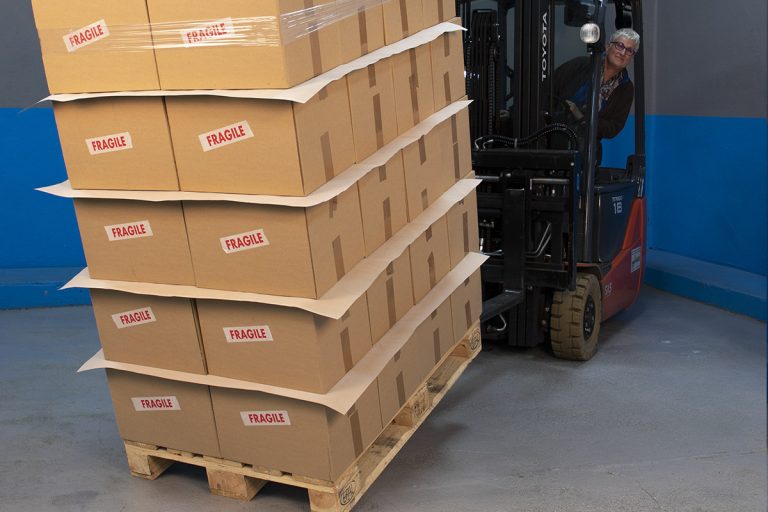
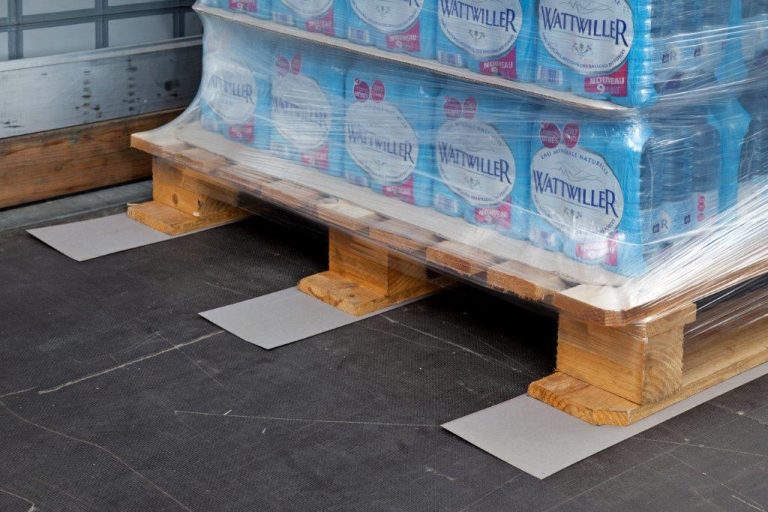
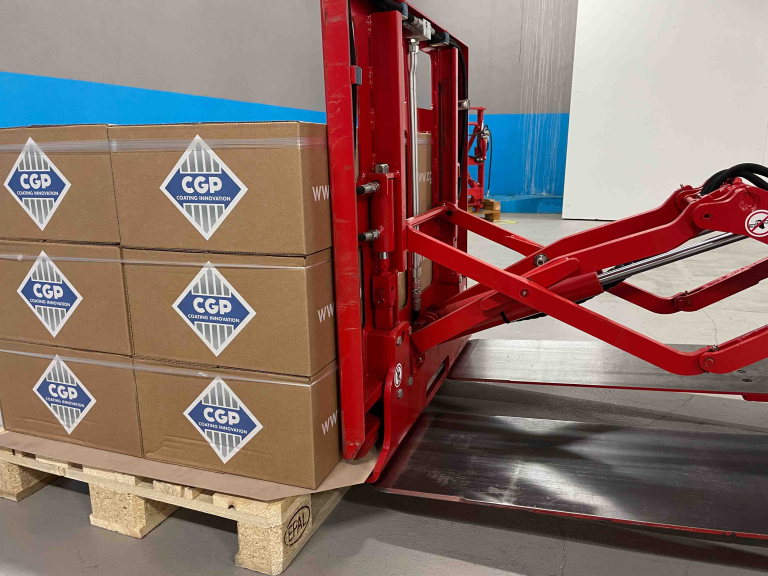
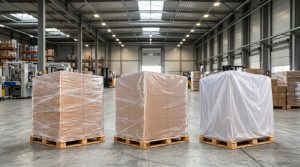
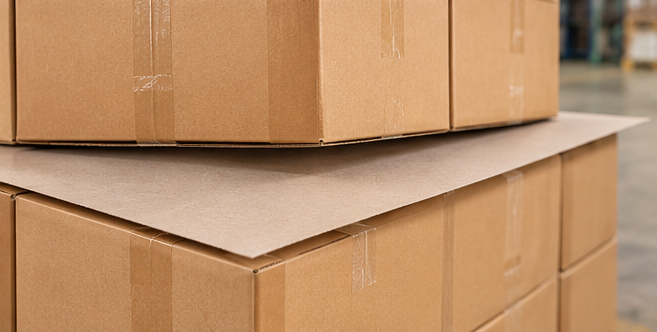
Stretch film secures products from the outside. STABULON® anti-slip pallet sheets help prevent slipping between layers.
These functions complement each other. Depending on the load, anti-slip pallet sheets can help optimise stretch wrapping. Any reduction in film consumption must be validated through testing.
Key takeaways
Different stretch film categories can be combined.
Thickness alone does not determine load retention.
The right choice must be validated on the pallet.
Anti-slip paper complements stretch wrapping.
Frequently asked questions
Does thicker stretch film always provide better load retention?
No. Its composition, stretchability and application method also matter. Compare the results using the same load.
Can manual stretch film be used on a pallet wrapping machine?
Only if the film reference is compatible with the machine. Check this with the manufacturers.
Are stretch film and shrink film the same?
No. Stretch film secures the load through tension. Shrink film tightens around the load when exposed to heat.
Would you like to test anti-slip paper? Contact CGP COATING INNOVATION to arrange a trial on your pallets. Compare load stability and the amount of stretch film used.
Our team will assist you in finding the solution that meets your needs.