










Slip-sheet: the complete guide to palletisation without pallets
- Karine Morel
- [wpcode id="48710"]
Table of content
A slip-sheet is a thin, rigid cardboard sheet placed underneath a load. Combined with suitable equipment, it allows products to be moved and shipped without keeping a wooden pallet underneath each unit. This pallet-free palletisation can reduce costs, weight and the space occupied by supports.
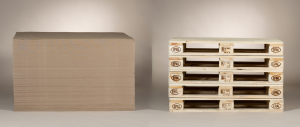
The wooden pallet remains robust and easy to handle. However, it takes up space and sometimes needs to be stored, repaired or returned. The slip-sheet can therefore become an alternative to the wooden pallet, particularly for regular or one-way international flows.
This guide explains how it works, its benefits, limitations and the steps involved in implementing a pallet-free logistics project.
1- What is a slip-sheet?

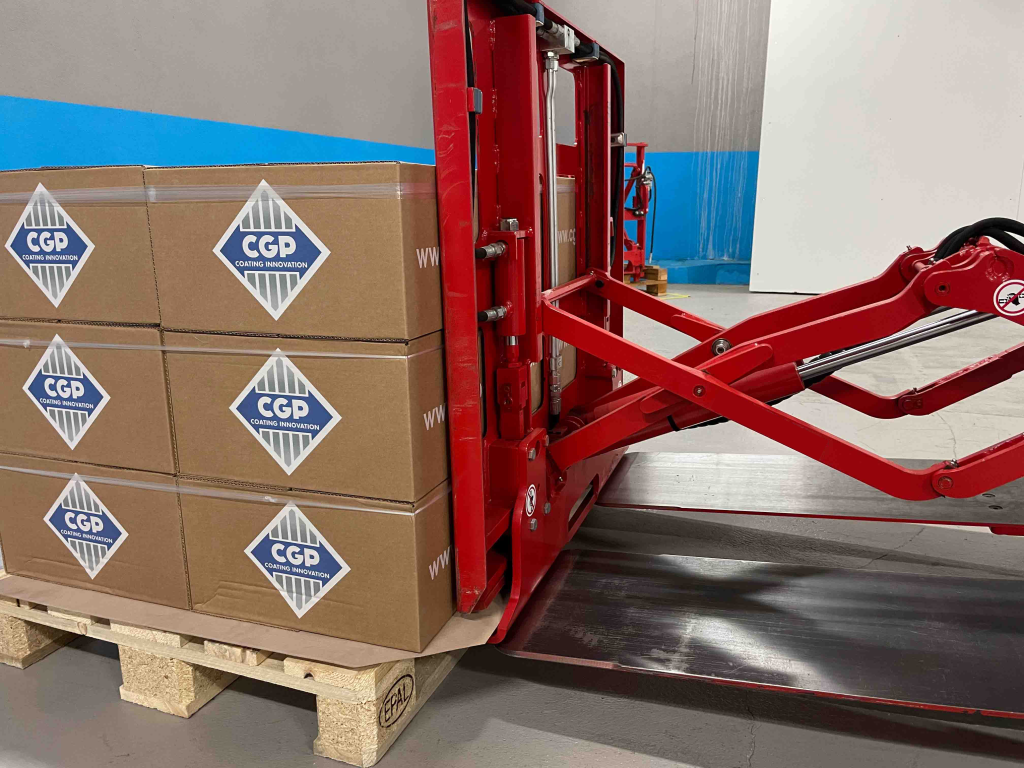
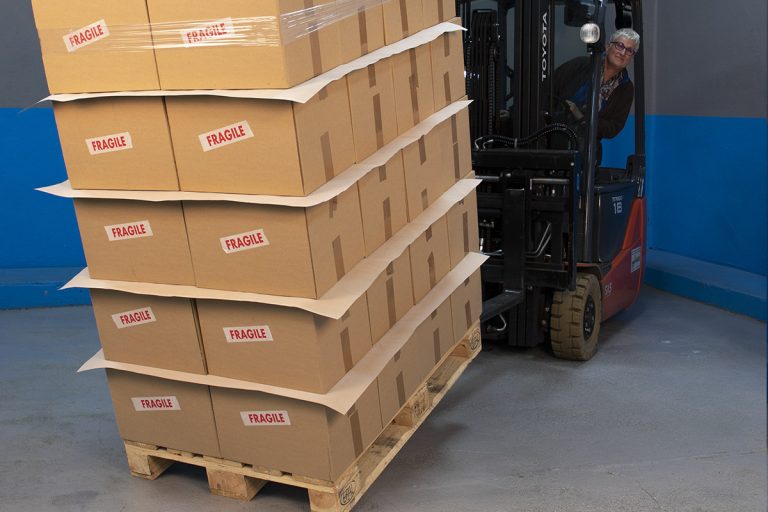
The slip-sheet, also known as a transfer sheet or pallet sheet, is placed underneath the entire load. It has one or more tabs that allow it to be gripped.
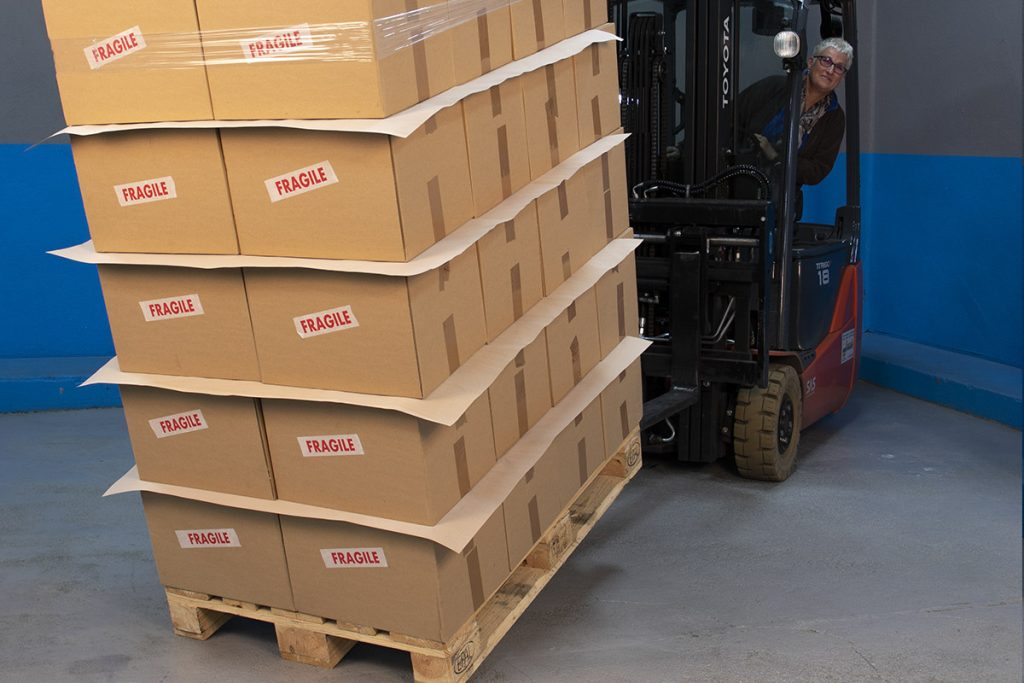
It should not be confused with an interlayer. The interlayer separates the layers or improves their stability. The slip-sheet supports the entire load during transfer.
A load on a slip-sheet puts stress on the sheet and its tab. The material is highly resistant, and the dimensions and number of tabs must be adapted according to the product and the route.
2- How does pallet-free handling work?
Slip-sheet handling follows four steps:
- Form the load. The slip-sheet is often placed on a “slave” pallet, which remains in the factory. The products are stacked on the sheet.
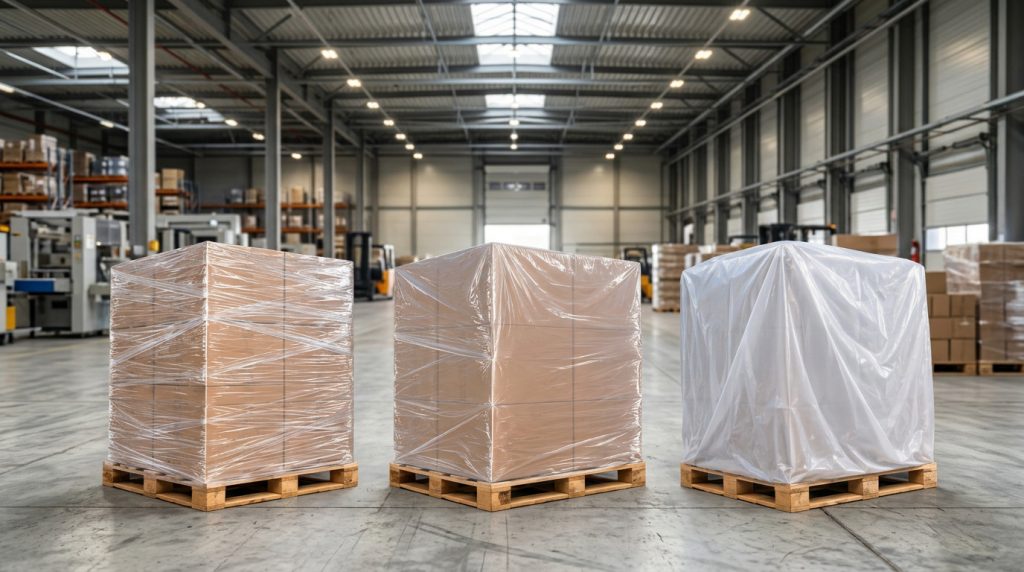
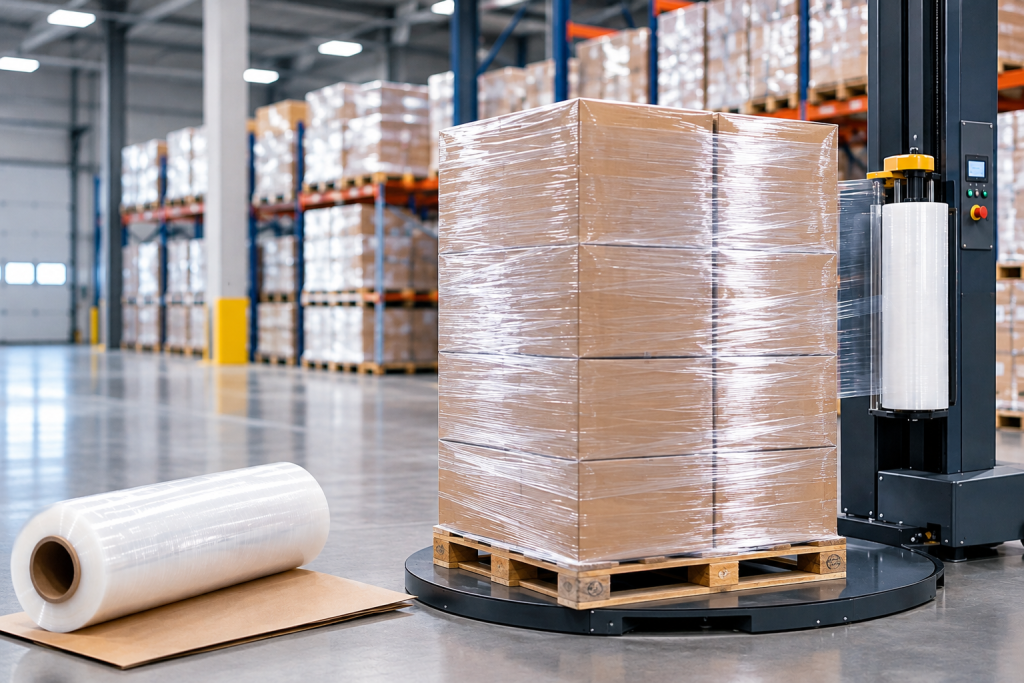
- Secure the load. The load must remain grouped together during braking, turns and transfers. An anti-slip interlayer, strapping, hood or film may be required.
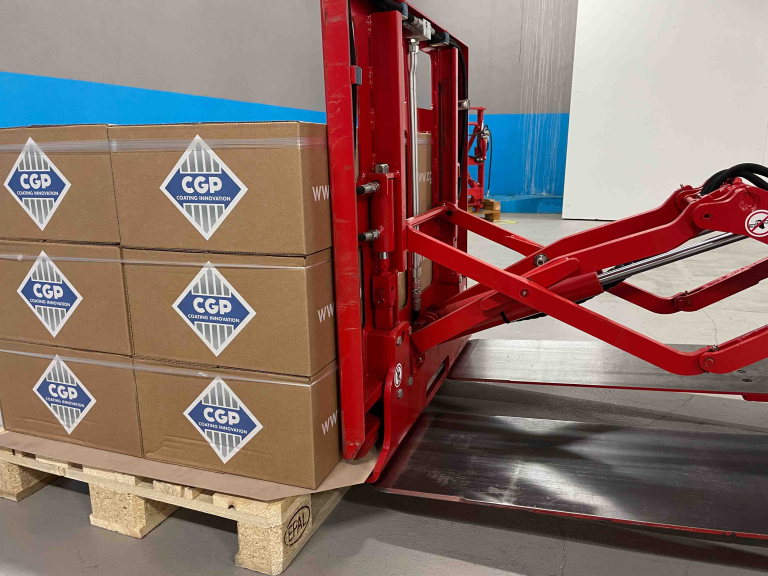
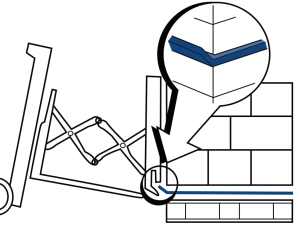
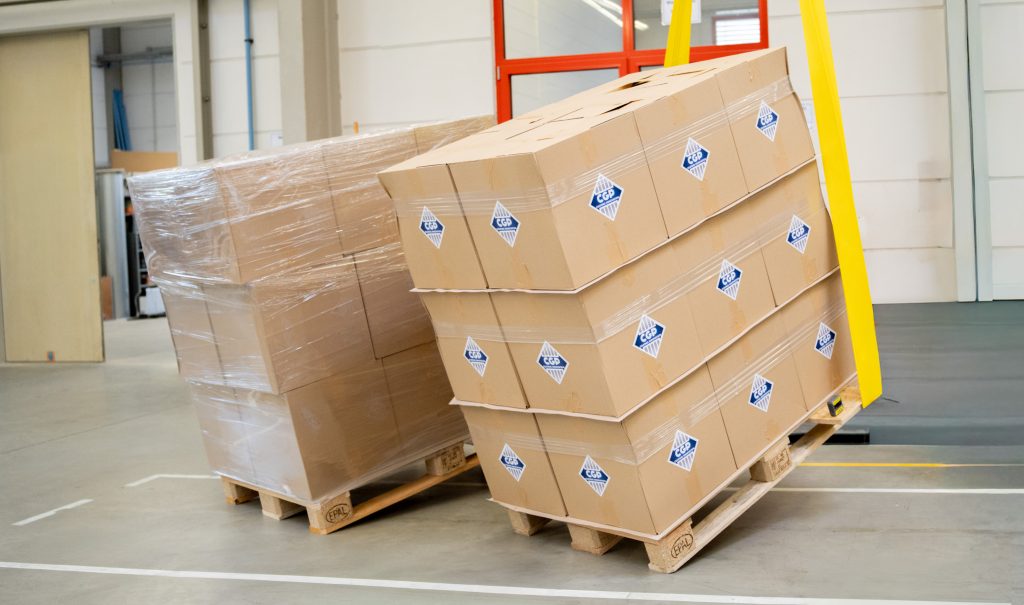
- Pull the load. Equipment grips the tab and pulls the entire load onto a supporting surface.
- Unload the load. The equipment pushes the goods onto the floor, a receiving pallet, a trailer or a container.
The floor must be flat, there must be sufficient space and the load must be stable. The method must be tested under conditions close to the actual flow.
3- When should pallets be replaced?
Replacing pallets is particularly worthwhile when they create a cost or constraint on a clearly defined flow:
- one-way logistics;
- regular volumes between known sites;
- transport limited by weight or volume;
- high costs for purchasing, returning or storing pallets;
- lack of storage space;
- final customer able to receive the load.
Cartons, bags and other packaged products can be assessed. Start by measuring the floor area, weight and height. Then check the load balance, packaging strength, humidity and number of transfers.
4- What benefits can a slip-sheet provide?
Reduce costs
The price of a slip-sheet is generally much lower than that of a wooden pallet. This difference can reduce support costs, especially for one-way flows. The final savings must nevertheless take into account equipment, testing and handling at the recipient’s site.
Gain useful volume
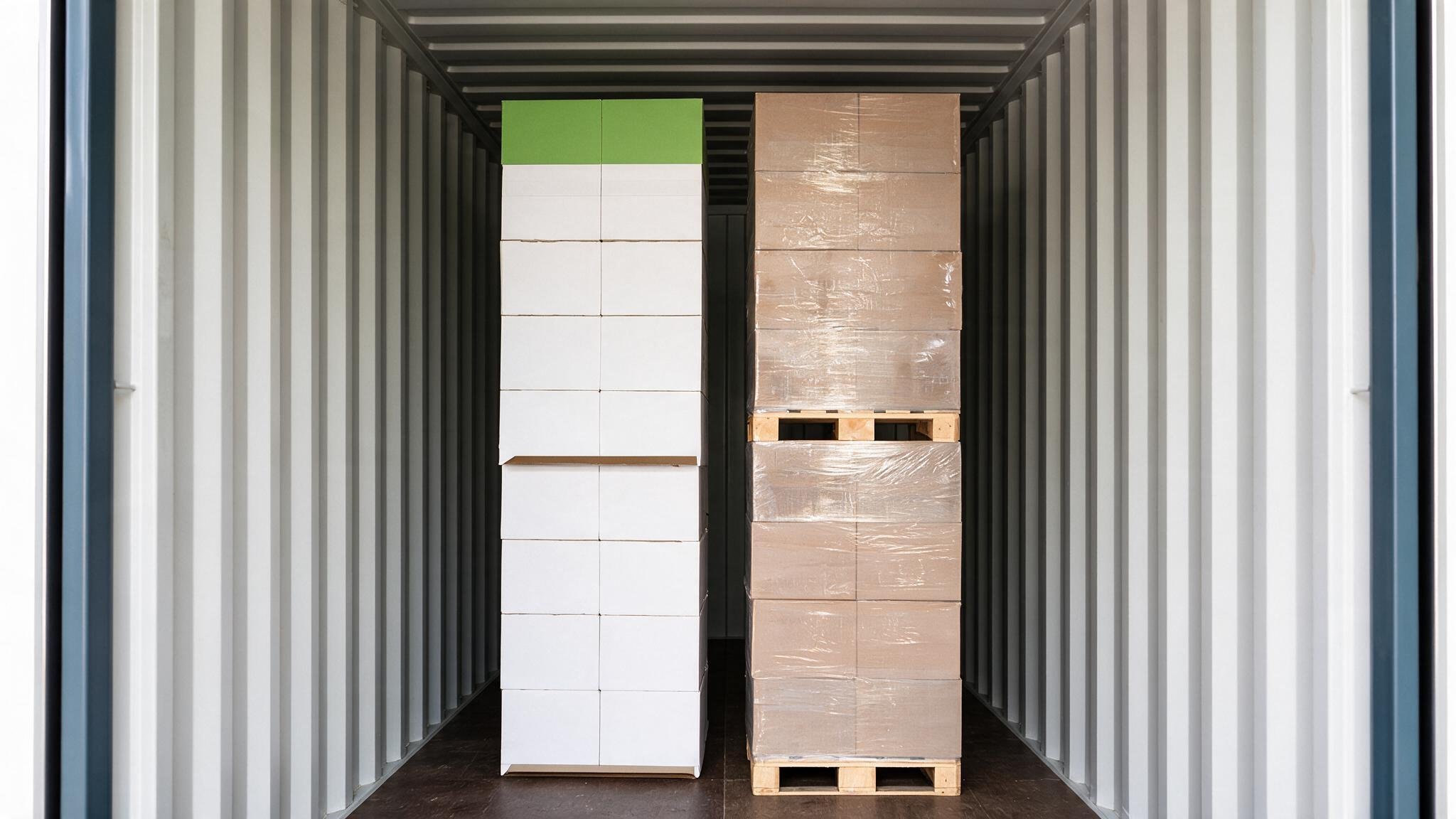
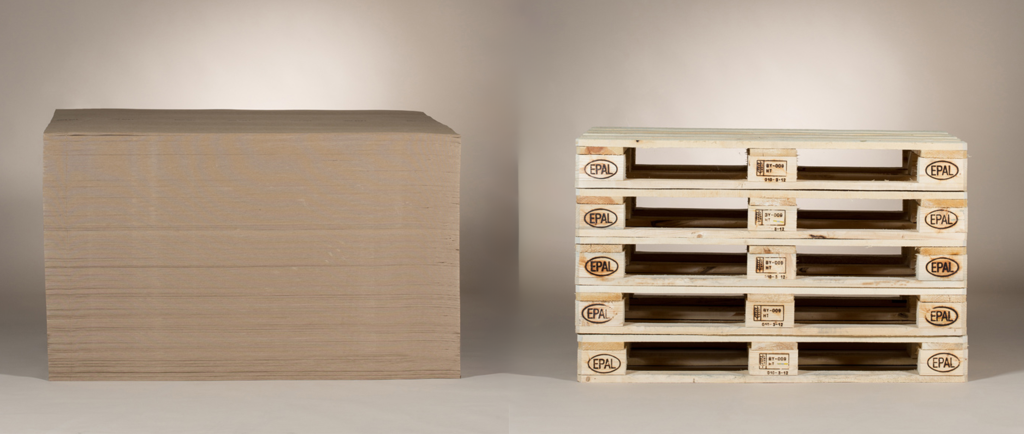
The low thickness of the sheet reduces the height of the support. This gain in useful volume can make it possible to add more products. Reducing the overall footprint also helps optimise the load factor.
For more information on optimising container loading, see our comparison between bulk loading and slip-sheet loading.
Reduce storage and returns
The sheets take up very little space. They can make stock management easier and reduce storage costs. In an open-loop system, reducing pallet returns can also prevent empty return journeys.
These benefits can contribute to reducing logistics costs. However, they must be compared with the cost of the sheets, equipment and handling at the recipient’s site.
Reduce transported weight
A sheet weighs around 1 kg vs 15-25 kg for a wooden pallet. This reduction in transported weight frees up loading capacity.
5- What are the limitations of pallet-free transport?
The slip-sheet is not suitable for every flow. The main points to consider are:
- purchasing or renting suitable equipment;
- forklift driver training;
- equipment available at the departure and arrival points;
- tab resistance;
- product stability;
- condition of floors and loading docks;
- diversity of recipients.
Eliminating wooden pallets can reduce the amount of material used. The overall assessment should also consider the end of life of the sheet, vehicle fill rates and the journeys actually avoided.
6- Slip-sheet or wooden pallet: how to choose?
| Criterion | Wooden pallet | Slip-sheet |
|---|---|---|
| Standard forklift | Simple use | Suitable equipment required |
| Weight and thickness | Higher | Low |
| Empty storage | Requires space | Compact |
| One-way flows | Return or loss to manage | Often worthwhile |
| Unequipped recipient | Simple reception | Transfer required |
| Costs | Purchase, repair, storage, return | Sheets, equipment, testing |
For more information, see Slip-sheets vs pallets: optimise your logistics costs and the slip-sheet as an alternative to the pallet.
7- What equipment is required?
The sheet alone is not enough. A suitable method for gripping, moving and unloading the load must be provided.
- The sheet: its dimensions and the positioning of the tabs depend on the load and the route. See the ECOLOGISTIK® CLASSIC slip-sheet page for technical information.
- The push-pull: this forklift attachment pulls and then pushes the load. Discover the push-pull forklift attachment.
- The ROLLERFORKS®: these load-bearing roller forks use another transfer principle. Discover the ROLLERFORKS® for pallet-free forklifts.
8- How do you calculate the return on investment?
Compare the current situation and the slip-sheet project over the same period.
Current costs: purchasing or renting pallets, storage, repairs, losses, returns and management time.
Project costs: sheets, push-pull equipment, installation, maintenance, training, testing and unloading at the final customer’s site.
Gains to measure: units added per vehicle, weight removed, space freed up, returns avoided, transport costs and working time.
A frequent flow absorbs the cost of the equipment more easily. To broaden the analysis, see How to optimise your supply chain and reduce logistics volumes.
9- How do you implement a slip-sheet project?
- Describe the flow and transfer points.
- Measure the load and check the packaging.
- Check its stability and stacking plan.
- Assess the forklifts, loading docks and equipment available to the shipper and recipient.
- Define the sheet according to the specific needs of the flow.
- Test preparation, transport and reception.
- Compare costs, damage, delivery times and load factor.
Start with a regular flow between two known sites. This approach reduces risks and makes it easier to deploy the solution on a larger scale over the long term.
10- How does CGP support the project?
CGP COATING INNOVATION studies the load, route and available equipment. The objective is to define an ECOLOGISTIK® sheet and a test adapted to the flow.
Depending on load stability, STABULON® anti-slip interlayers or other securing methods can be tested. The final solution must always be validated with the products and actual transport conditions.
We have equipment and our teams of experts are trained to support you in project mode, both during the preliminary study phases and during testing and transition phases.
Frequently asked questions :
Can the slip-sheet replace all pallets?
No. It is mainly suitable for regular international flows, stable heterogeneous loads and prepared sites. The pallet remains preferable when there are many recipients, recipients are not equipped, or when the load lacks stability.
Does the slip-sheet always reduce the impact of transport?
No. The result depends on the material, its end of life, the load factor and the journeys avoided. The comparison must cover the entire logistics chain.
Key takeaways :
- The slip-sheet is a transfer sheet used for pallet-free handling.
- It can reduce costs, weight, footprint, storage and support returns.
- A push-pull, ROLLERFORKS® or another suitable method is required.
- The load and the recipient’s equipment must be validated through testing.
Conclusion
The slip-sheet can improve logistics optimisation when pallets negatively impact cost, volume, weight or support management. Its success depends on a stable load, a suitable sheet and a prepared recipient.
Would you like to check whether one of your flows could switch to slip-sheets?
CGP COATING INNOVATION analyses your load and handling equipment. We then define an ECOLOGISTIK® test to compare the pallet-free scenario with your current solution.
Our team helps you find the solution that meets your needs.