














Slip-sheet vs. wooden pallet: costs and logistics
- Karine Morel
- [wpcode id="48710"]
Table of content
1- Slip-sheet vs. wooden pallet: the short answer
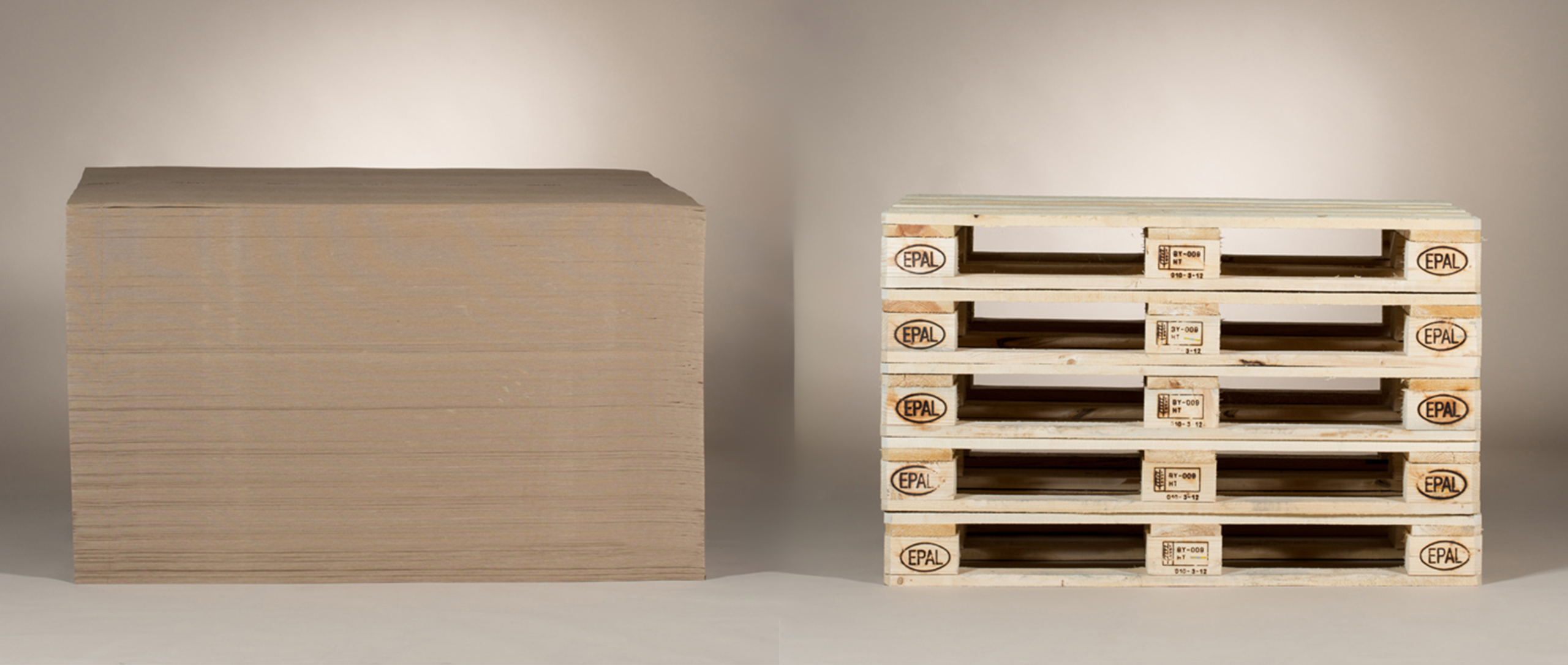
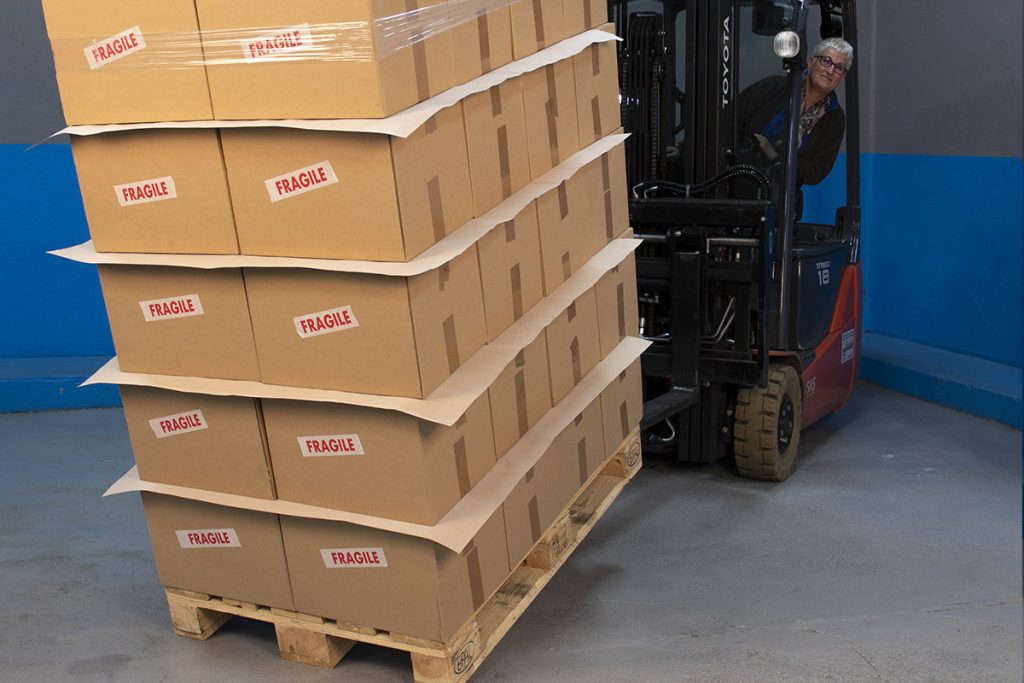
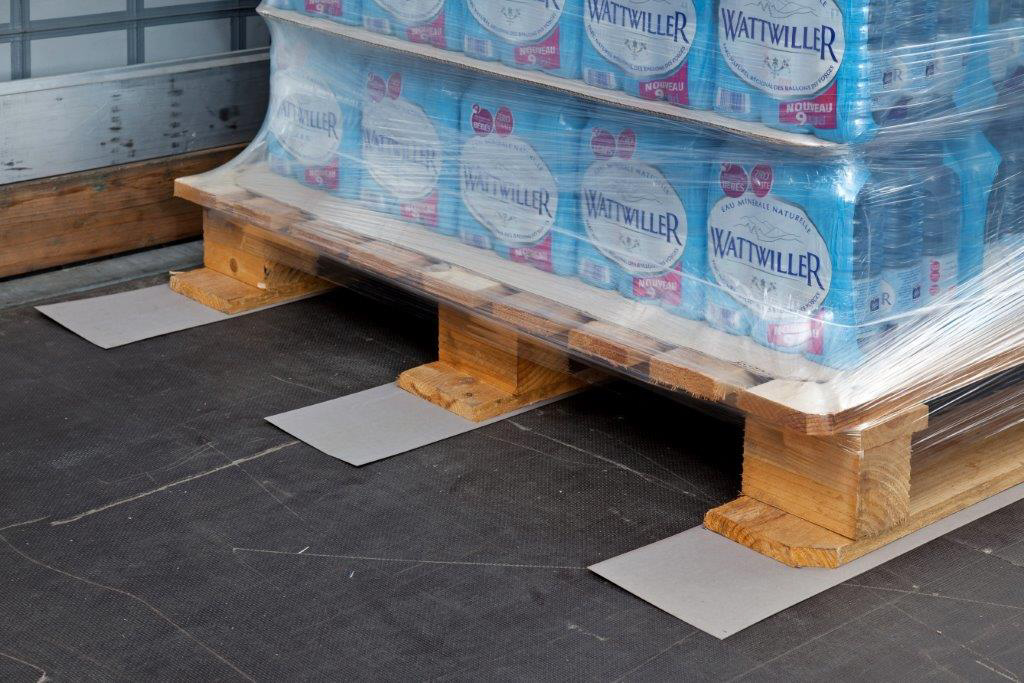
A slip-sheet can replace a wooden pallet for certain regular flows when the load, equipment and recipient are compatible. Its low thickness reduces dead weight and storage space. A pallet remains simpler for multi-party supply chains, floor storage and sites without suitable equipment. The choice should therefore be based on the total cost of the flow, not just the price of the support.
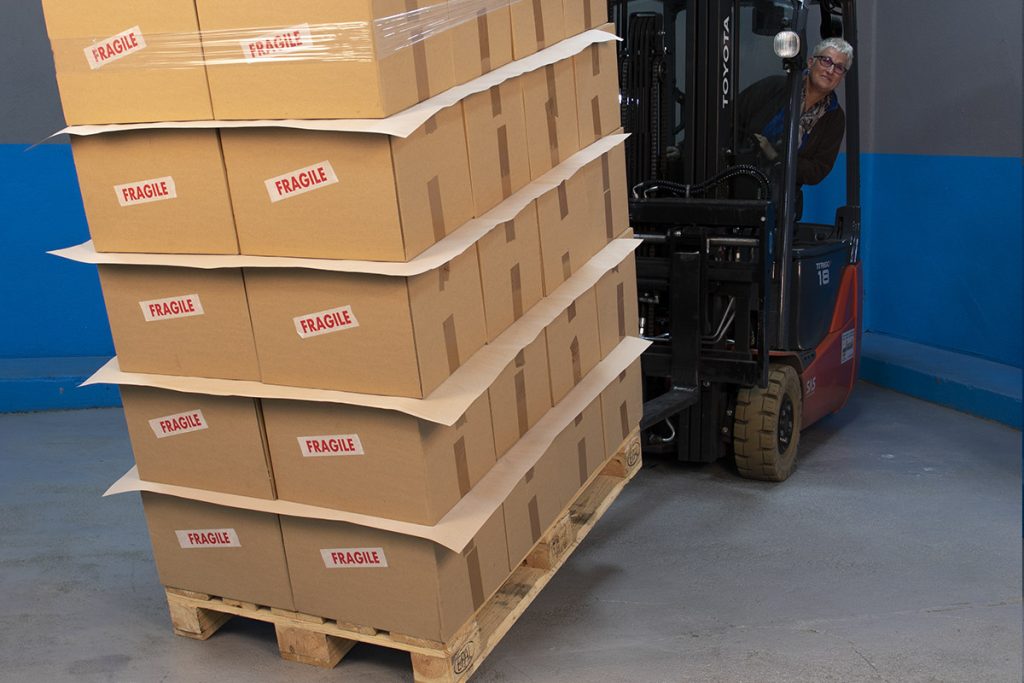
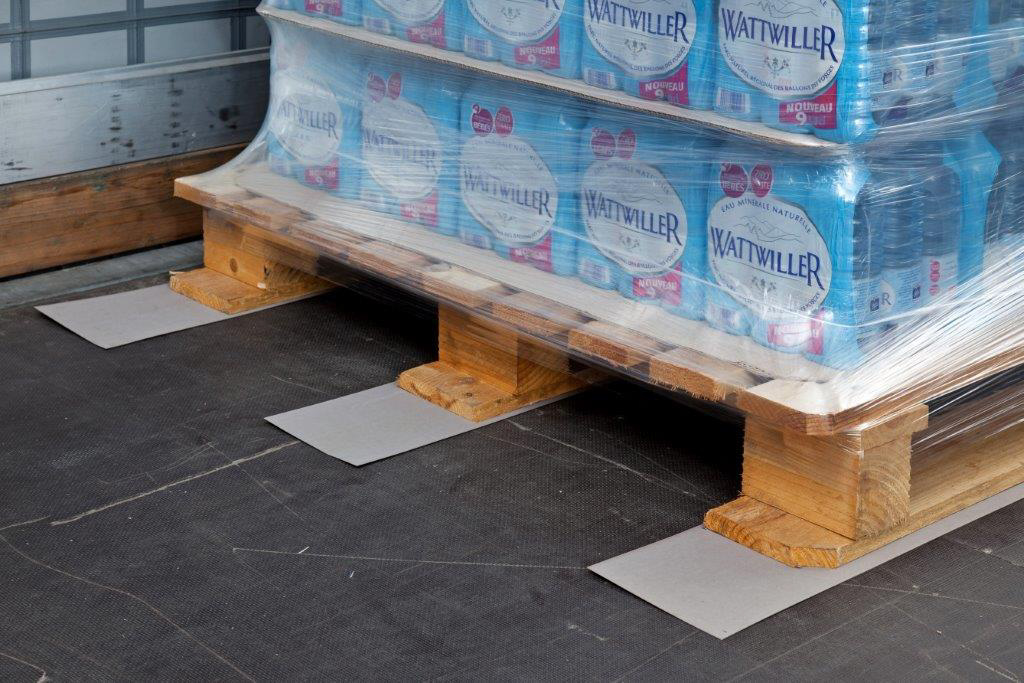
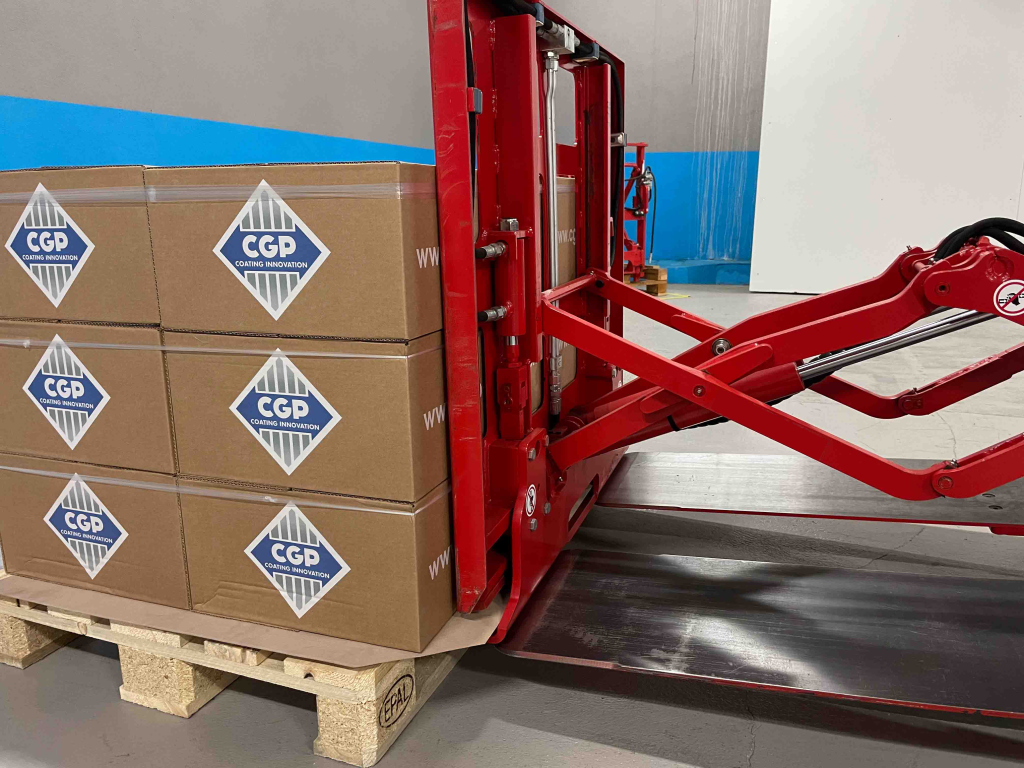
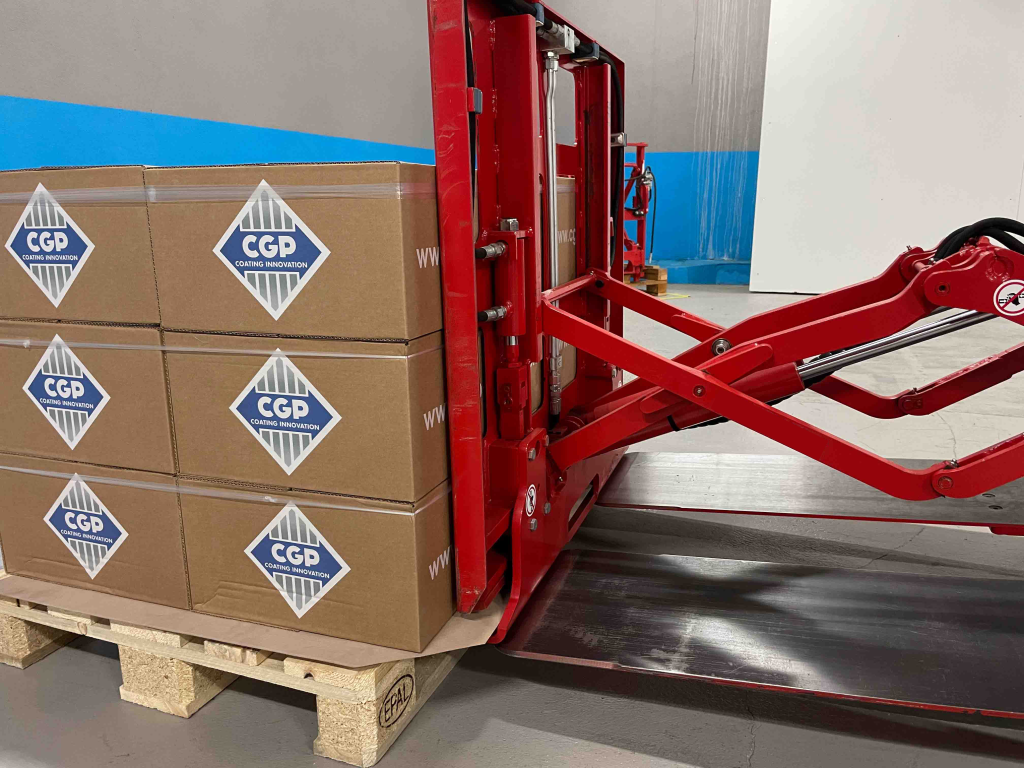
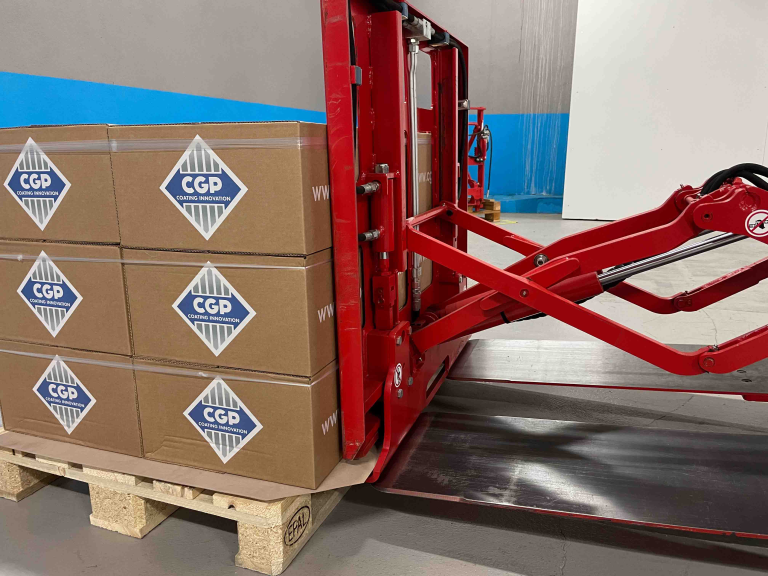
A Euro pallet is compatible with most forklifts. A slip-sheet is a thin sheet with a tab, generally handled using a push-pull system.
2- Why compare these two load supports?
The support used affects the transportation of goods: transported weight, loaded volume, storage and handling.
Different types of pallets do not have the same cost. For a Euro pallet used several times, returns and repairs must be taken into account.
Slip-sheets are particularly worth considering for regular flows, especially for exports where pallets are rarely returned.
3- What costs should actually be compared?
The purchase price represents only part of the cost. A useful comparison should include:
- the support, pallet losses and returns;
- storage of empty supports;
- push-pull equipment, maintenance and training;
- handling time;
- weight, transported volume and end-of-life.
Allocate the price of a pallet over its actual number of rotations. If it is not recovered, allocate its entire cost to the shipment.
For a slip-sheet, add the share of the equipment cost to the price of the sheet:
Equipment cost per load = equipment and adaptation costs ÷ number of loads handled over the depreciation period.
A capacity gain has value if it makes it possible to ship more products or avoid a trip.
4- Comparison between slip-sheets and wooden pallets
| Criterion | Slip-sheet | Wooden pallet | What to check |
|---|---|---|---|
| Cost | Generally economical support, but equipment is required | Higher purchase cost, sometimes amortized over several rotations | Delivered price, losses and return rate |
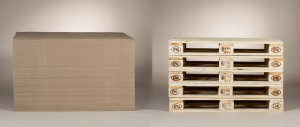
| Dead weight | Very low | Several kilograms depending on the pallet type | Weight of the references actually compared |
| Empty storage | Low volume | Larger floor space requirement | Floor space actually freed up |
| Handling | Push-pull system or compatible equipment | Standard forklifts and pallet trucks | Equipment available at origin and destination |
| Ground clearance | None without additional support | Keeps the load off the floor | Humidity and cleanliness of drop-off areas |
| Export | Avoids constraints directly related to wood | Some pallets are subject to international standards | Country, customer requirements and applicable ISPM 15 |
5- What impact does it have on weight and loading?
The weight of the support is repeated for each load and accumulates in the vehicle.
Weight avoided = number of loads × (pallet weight − slip-sheet weight).
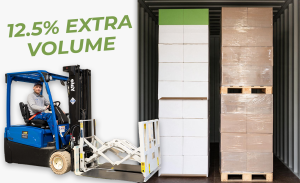
If the vehicle reaches its weight limit, reducing the support weight can free up payload capacity. The low thickness can also increase the number of products loaded.
The environmental assessment also depends on the material, service life, end-of-life and journeys avoided.
6- How much storage space can be saved?
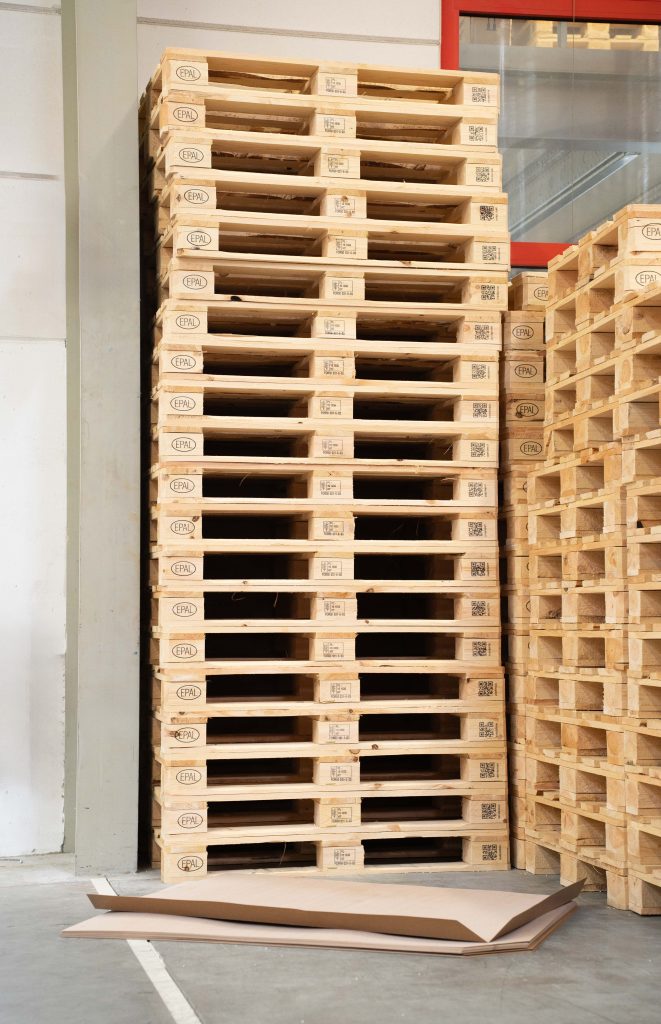
Empty pallets require a dedicated storage area. Slip-sheets, stored flat, require less space. Measure the actual floor space freed up before assigning a value to this benefit.
7- How does handling change?
Wooden pallets use widely available equipment. They are well suited to supply chains involving several operators.
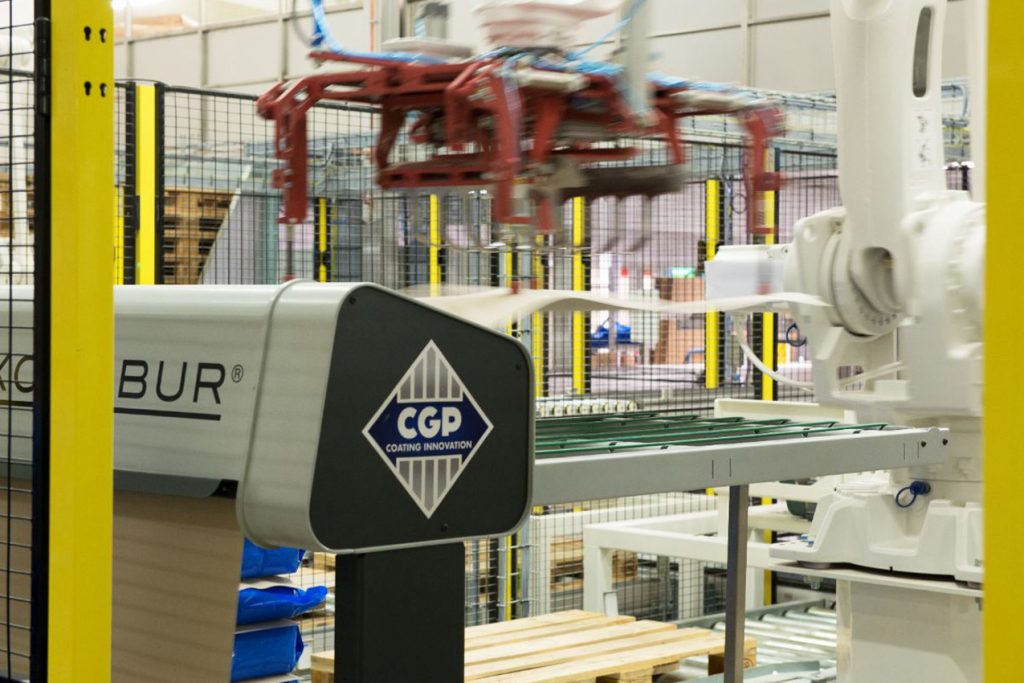
With a push-pull system, the load is pulled onto a platen and then pushed off at the destination. Packaging, load stability and equipment settings are critical.
Before switching, examine:
- the weight, dimensions and palletization pattern;
- the strength of cartons or bags;
- equipment available at origin and destination;
- drop-off areas and humidity;
- load breaks and cycle time;
- operator training.
8- When should you keep using wooden pallets?
Pallets remain preferable when compatible equipment is not available, when the load needs to be kept off the floor, or in a poorly controlled supply chain. They also remain relevant when an efficient reuse loop is in place.
A company can combine Euro pallets, other types of pallets and slip-sheets depending on its flows.
9- When should you consider an ECOLOGISTIK® solution?
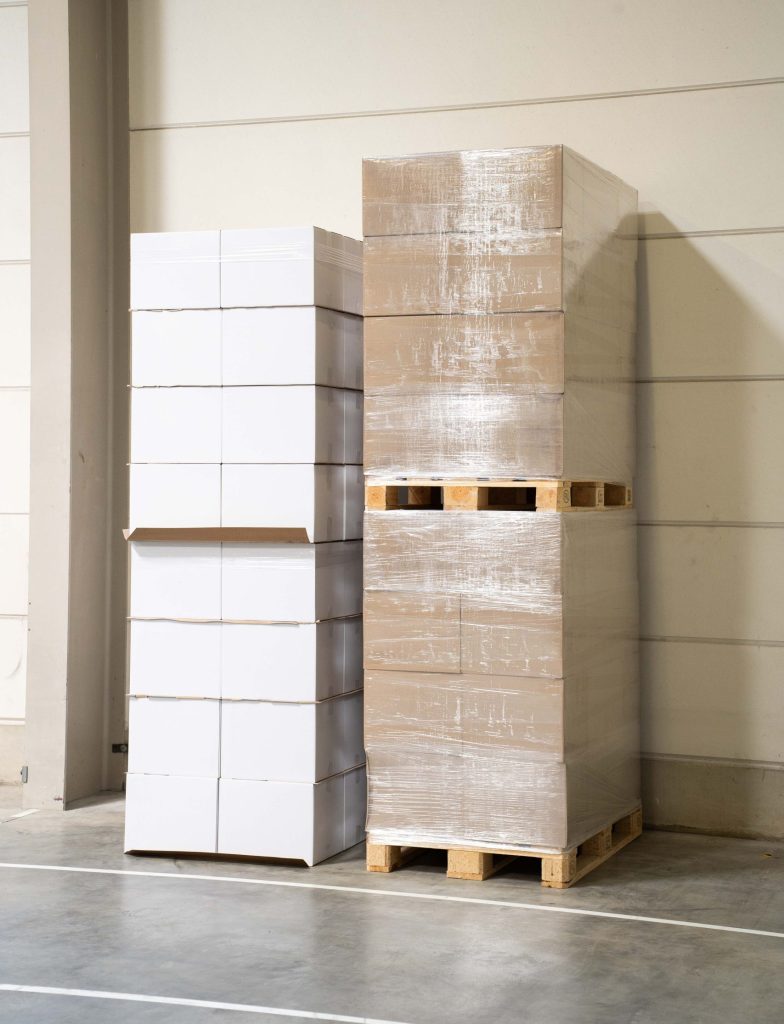
ECOLOGISTIK® is CGP COATING INNOVATION’s slip-sheet solution. It can be considered when pallets do not need to be returned, when weight limits loading capacity, or when supports take up too much space.
The sheet depends on the load, transportation and handling conditions. The choice should be validated with the recipient through a representative trial.
10- How to carry out an initial assessment?
- Choose a regular product reference and an identified recipient.
- Measure the cost, weight, losses and rotations of the pallets.
- List the handling operations, storage requirements and equipment needed.
- Check the international standards applicable to the destination.
- Test the load, its stability and cycle time.
- Compare the pilot results with the initial assumptions.
Conclusion
The choice between a slip-sheet and a wooden pallet depends on the total cost and control of the flow. A slip-sheet can reduce dead weight, storage requirements and certain pallet-related costs. Pallets retain an advantage in terms of compatibility and simplicity.
CGP COATING INNOVATION can assess the suitability of ECOLOGISTIK® for your load, push-pull equipment and goods transportation conditions.
Key takeaways
- Compare the total cost per load, not just the price of the support.
- Slip-sheets are particularly suited to regular, controlled flows.
- Wooden pallets remain simpler in multi-party supply chains.
- A weight or volume reduction must generate a measurable saving.
- The trial should involve both the shipper and the recipient.
Frequently asked questions
Can a slip-sheet replace all wooden pallets?
No. It is suitable for flows where the load, equipment and recipient are compatible. Pallets are often preferable for open-loop supply chains, floor storage or unpredictable handling operations.
Is a specific forklift required?
The most common solution is a push-pull system mounted on a compatible forklift. Other methods can also be considered. The equipment must be available at the relevant stages of the flow, particularly during unloading.
Does a Euro pallet meet the requirements for all shipments?
No. The Euro pallet is standardized and widely used, but its suitability depends on the product, supply chain and destination. Other types of pallets or a slip-sheet may better meet certain requirements.
Which international standards should be checked?
Requirements depend on the support and destination country. For wooden packaging materials used in international trade, the applicability of ISPM 15 should in particular be checked. Customer requirements and local regulations should also be verified.
How do you calculate the profitability of slip-sheets?
Add the cost of the sheets, equipment, maintenance, training and adaptations. Deduct the measured savings on pallets, their return, storage and transportation. Relate the result to the number of loads handled.
Request an ECOLOGISTIK® sample for your project. Provide CGP COATING INNOVATION with the dimensions, weight, packaging and flow diagram of your operation. You will receive an initial technical assessment and can arrange a handling trial.
-
 AQUASTOP® : Papier Hydrophobe pour Protection Maximale09 Jan 2025 Stabiliser
 -
 Stabilisez vos emballages Big-Bag, sécurisez vos transports, optimisez vos coûts08 Juil 2024 Stabiliser
 -
 Stabilisez vos palettes en bois, sécurisez votre transport et optimisez vos coûts de palettisation.08 Juil 2024 Stabiliser
Our team will help you find the solution that suits you.