















Logistics Optimization: Sustainably Reducing Costs
- Karine Morel
- [wpcode id="48710"]
Table of content
Logistics optimization consists of better organizing goods flows in order to reduce costs, material consumption and unnecessary operations. Palletization is a practical lever: a better-stabilized load requires fewer handling operations and can contribute to reducing stretch film consumption, provided that its performance is validated in real-world conditions.
Rising transportation costs, labor shortages, saturated warehouses and environmental requirements: supply chains must reconcile economic efficiency, safety and waste reduction.
In this context, palletizing deserves particular attention. An unstable pallet can lead to re-wrapping, stoppages, damage and delivery delays. Conversely, a structured approach to palletization optimization can improve logistics operations without overhauling the entire supply chain.
1- Why does palletization generate hidden costs?
Pallet stability does not depend solely on the amount of stretch film used. It results from several parameters:
- packaging strength;
- product dimensions and weight;
- palletization pattern;
- friction between layers and adhesion to the base;
- external securing method;
- goods transportation conditions.
When one element is not properly controlled, operators often compensate by adding more film or strapping. This response strengthens external securing, but does not necessarily correct internal slipping.
2- Why improve pallet stability?
Excessive plastic film consumption
Adding more film increases consumable purchases, application time and waste volumes. This practice also hinders plastic reduction objectives.
Handling operations that slow down logistics flows
A deformed load may require manual repositioning, re-wrapping or rebuilding the pallet. These operations require additional staff time and slow down order preparation.
Damage and delivery delays
An unstable pallet can cause deformed packaging, damaged products, rejection by the end customer or additional transportation. These incidents increase transportation and storage costs as well as environmental impact. Preventing them contributes to reducing logistics costs.
3- How can a stability problem be diagnosed?
Before changing consumables, the pallet should be examined at each stage of the logistics process.
| Item examined | Question to ask |
|---|---|
| Packaging | Can it withstand compression and lateral forces? |
| Palletization | Are the products properly distributed and aligned? |
| Friction | Do the packages slide between layers? |
| Base | Does the first layer move on the pallet? |
| Securing | Are the amount and distribution of film appropriate? |
| Handling | Can the load withstand acceleration and braking forces? |
This analysis helps distinguish between a friction problem, packaging strength issue, pallet construction problem or external securing issue.
4- How can sustainable logistics be implemented?
A sustainable logistics approach is not simply about replacing one consumable with another. The aim is to achieve the required stability with an amount of material suited to the actual constraints.
Several actions can be combined:
- review the palletization pattern;
- increase friction between layers;
- limit sliding at the base;
- provide temporary securing for internal flows;
- adjust the amount and tension of film;
- test the load under conditions close to its actual journey.
The solution selected depends on the product, packaging, transportation method and equipment used. Inventory management software can improve flow organization, but it does not solve physical stability issues.
Find out more with our comprehensive guide to logistics.
5- How does the CGP COMBO Solution work?
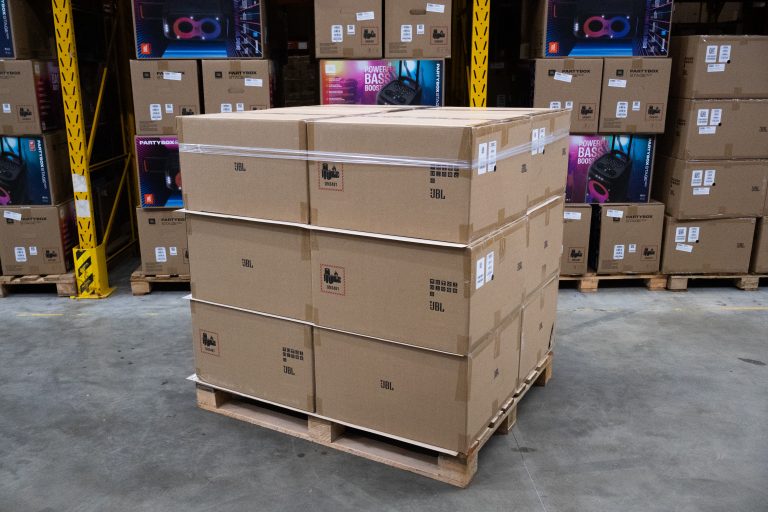
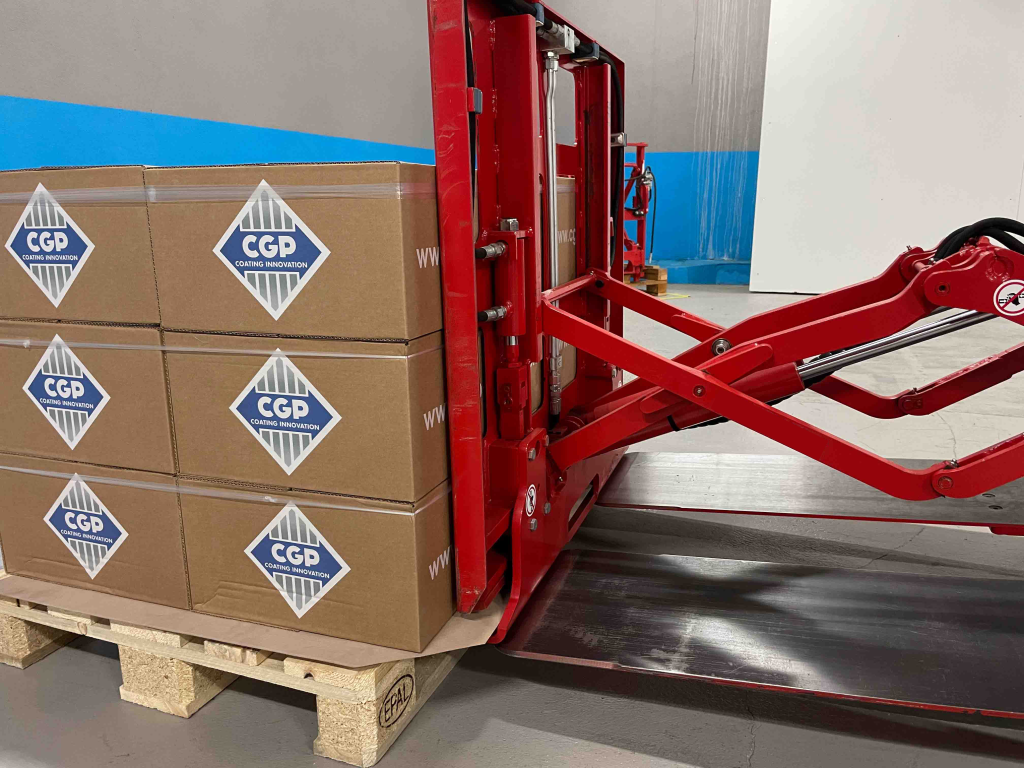
The CGP COATING INNOVATION COMBO Solution combines three complementary devices: STABULON®, STABUSTRAP® and STABUSTOP®. Each one acts on a different area of the pallet.
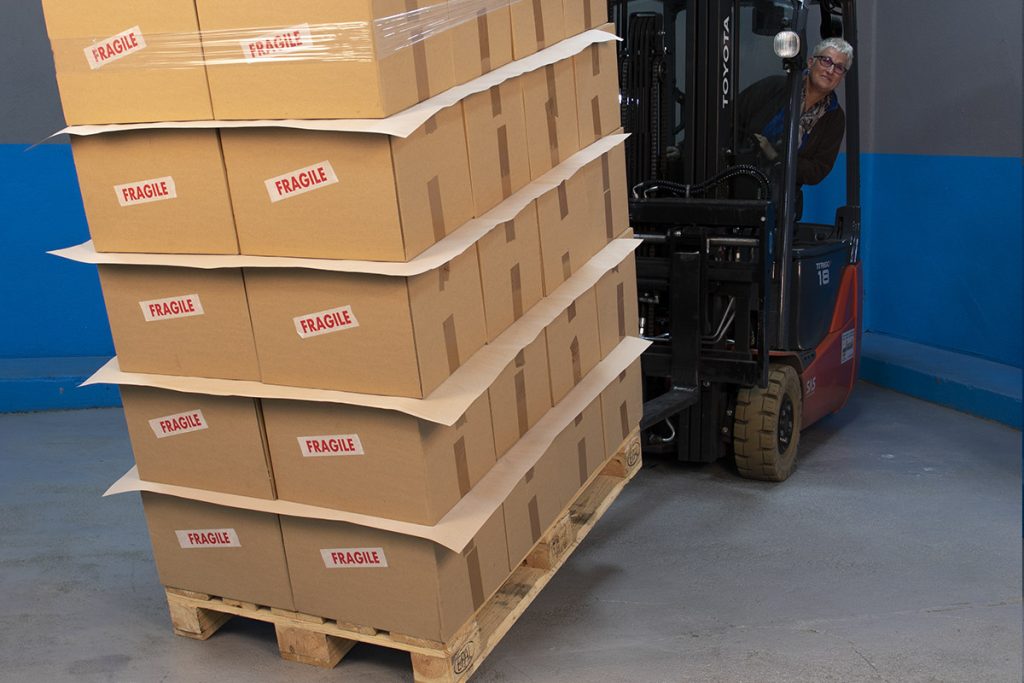
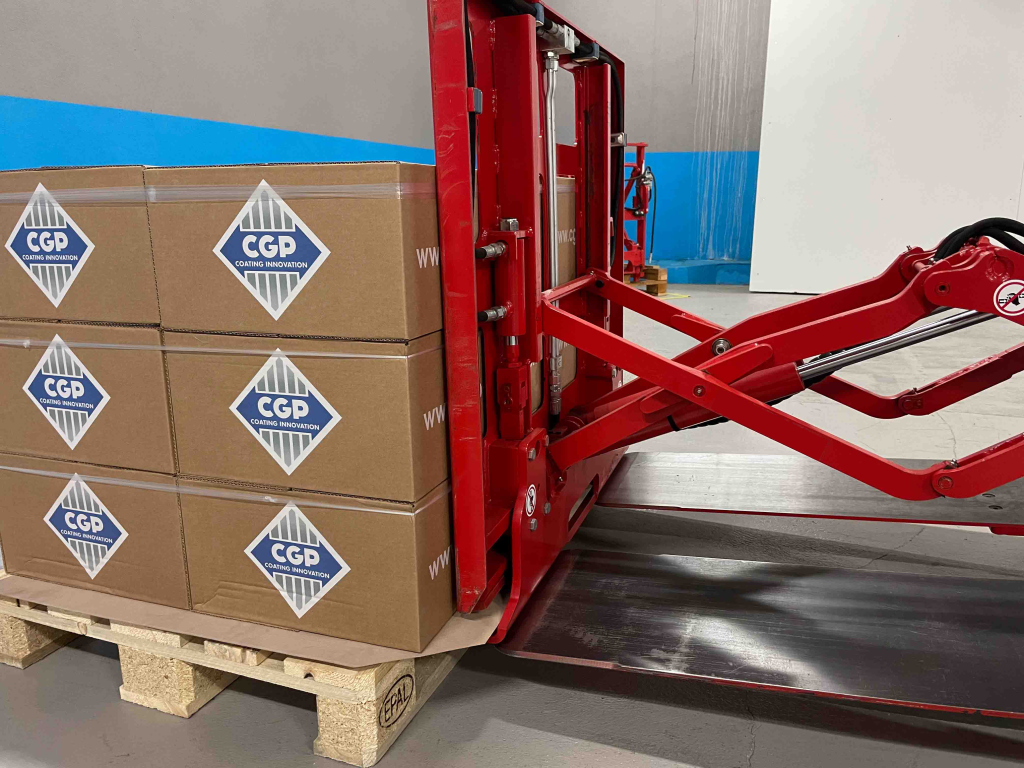
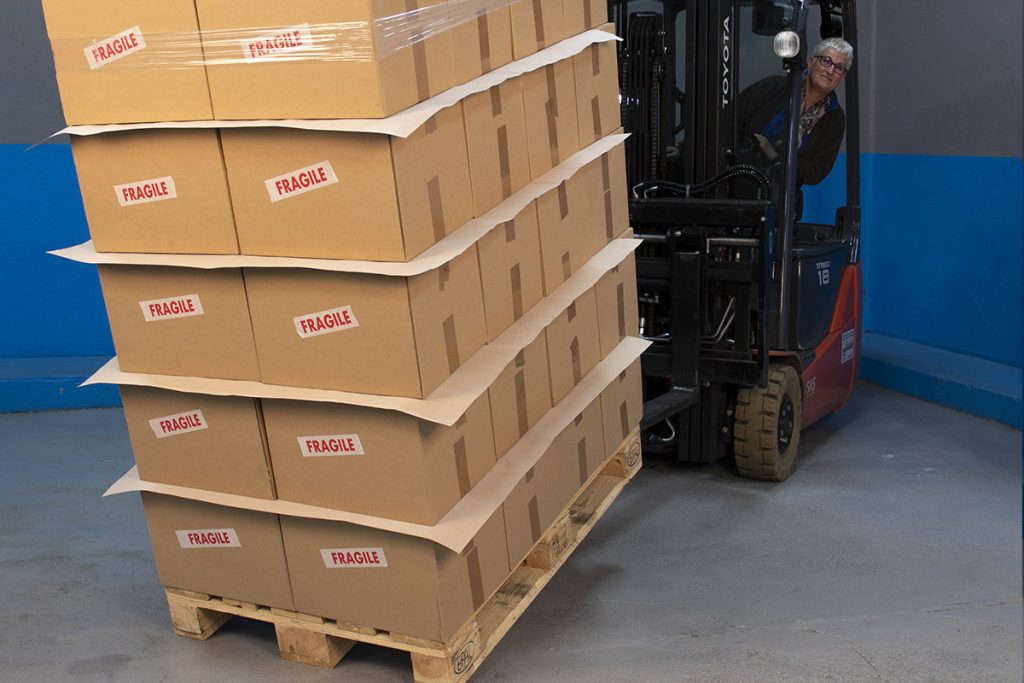
STABULON® limits slipping between layers
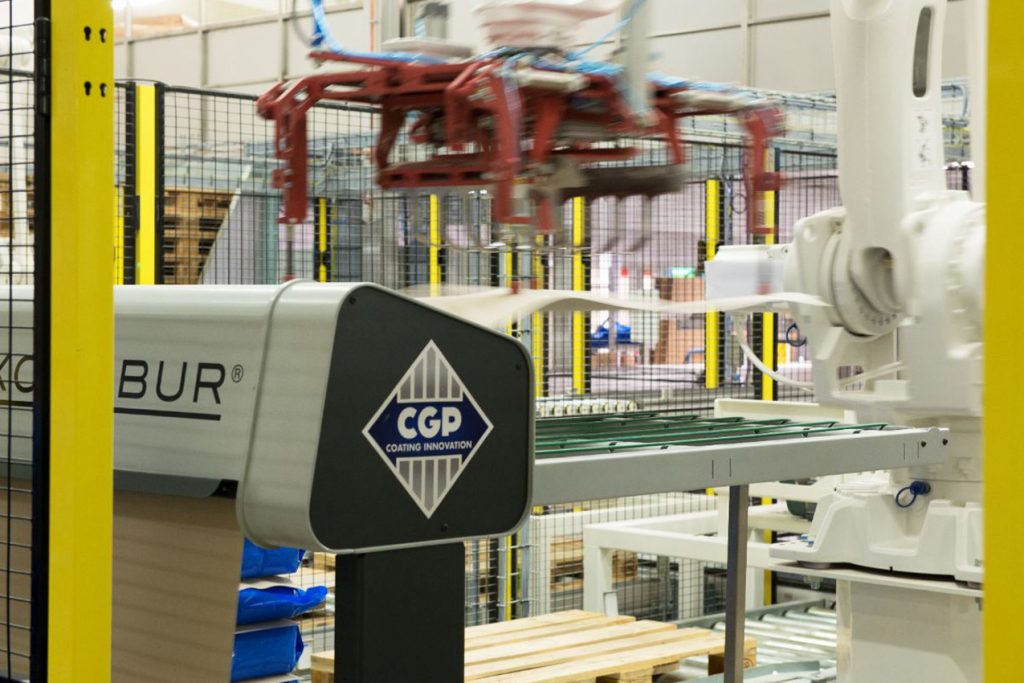
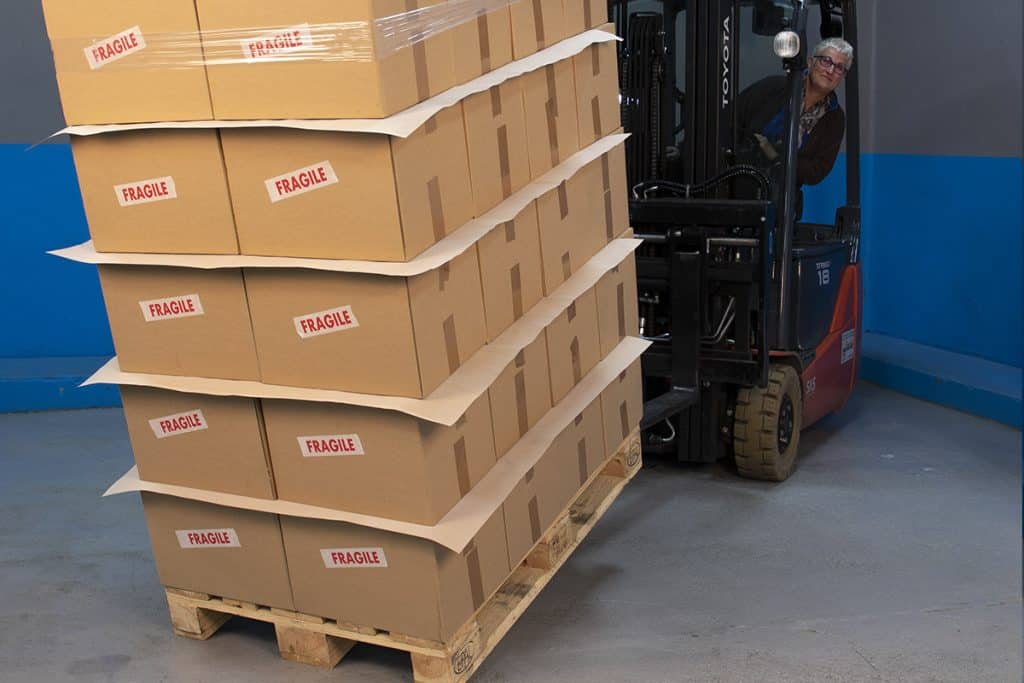
STABULON® is an anti-slip paper interlayer placed between rows of products. It increases friction and helps limit movement during palletization, handling and transportation.
Depending on the load, it can limit deformation and help optimize the amount of film used. The reduction achieved must be measured for each application.
STABUSTRAP® provides temporary securing
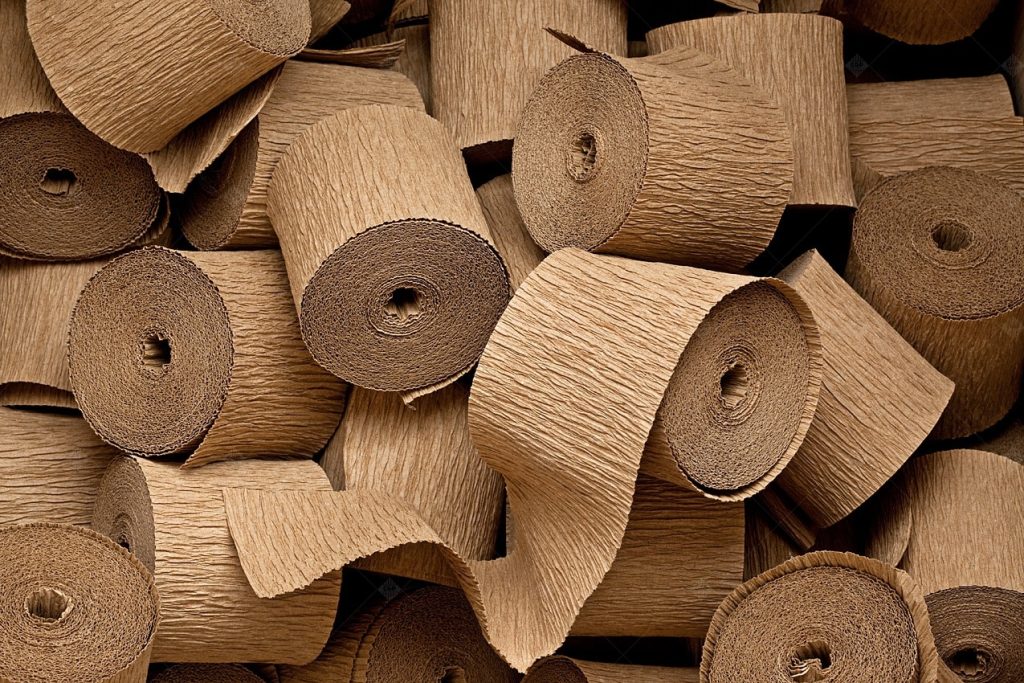
STABUSTRAP® is an elastic palletizing band designed for temporarily securing loads. It can be used during preparation, intermediate storage or intralogistics movements.
It can eliminate the need for temporary wrapping before final packaging. Its format depends on the geometry and weight of the load.
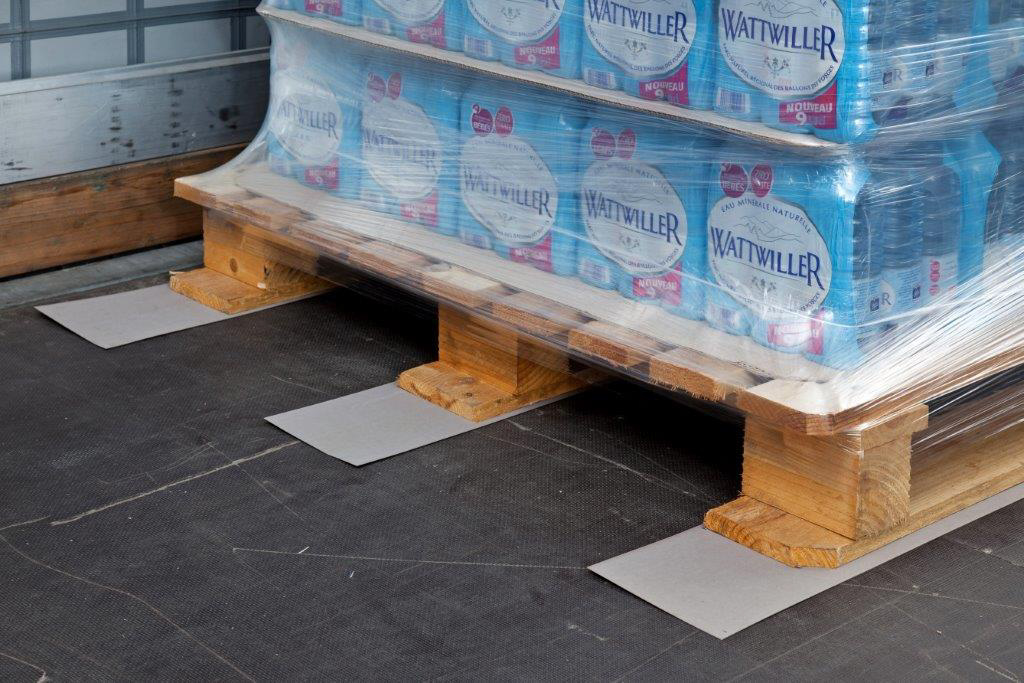
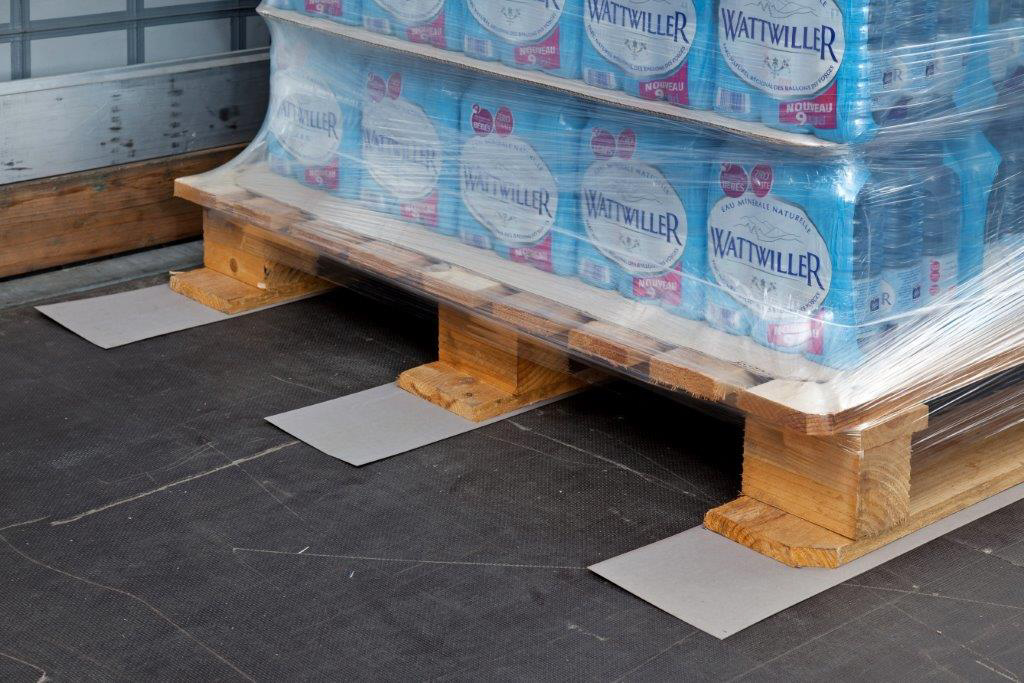
STABUSTOP® improves adhesion to the base
STABUSTOP® is placed between the pallet and the first layer of products. It helps limit the load from sliding on its support.
Its action complements those of STABULON® and STABUSTRAP®. The COMBO Solution therefore addresses several causes of movement without relying solely on stretch film.
6- How can cost reductions be measured?
Performance should be compared before and after implementation, using a representative sample.
| Indicator | Measurement method |
|---|---|
| Stretch film | Weight or length of film per pallet |
| Operator time | Preparation, wrapping and rework time |
| Damage | Number and value of recorded damages |
| Overall cost | Consumables, labor and quality-related costs |
This monitoring makes it possible to verify that savings achieved in one area do not create additional costs elsewhere.
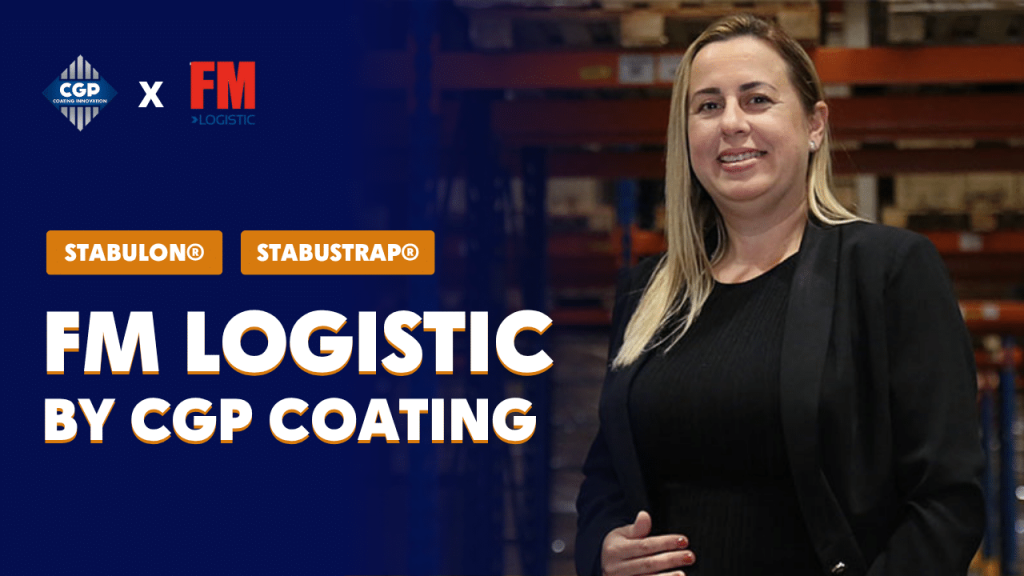
Customer case study: FM Logistic
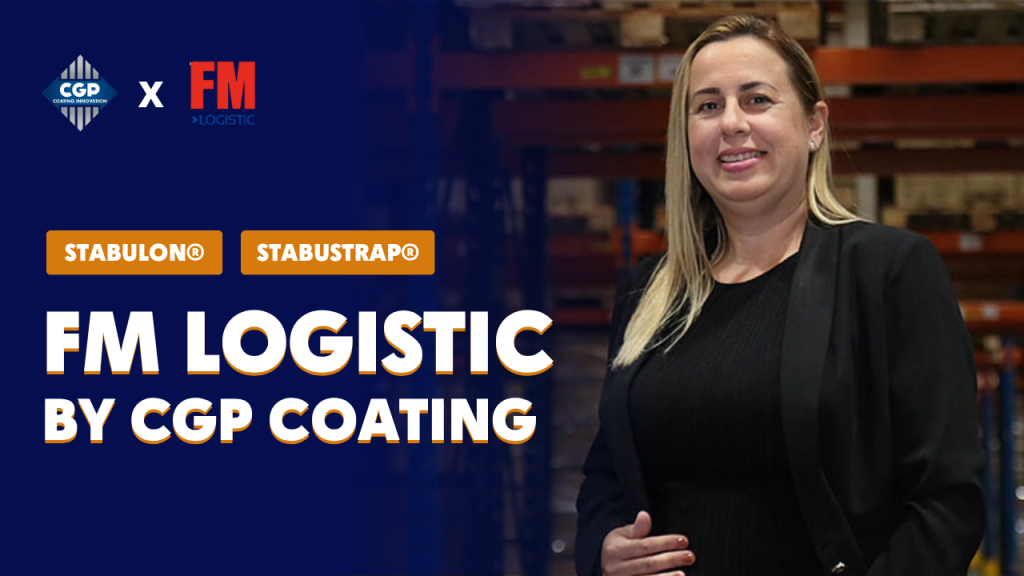
FM Logistic combined STABULON® and STABUSTRAP® in a project carried out in Brazil with Hasbro. The objective was to reduce the use of stretch film while maintaining the safety and productivity of logistics flows.
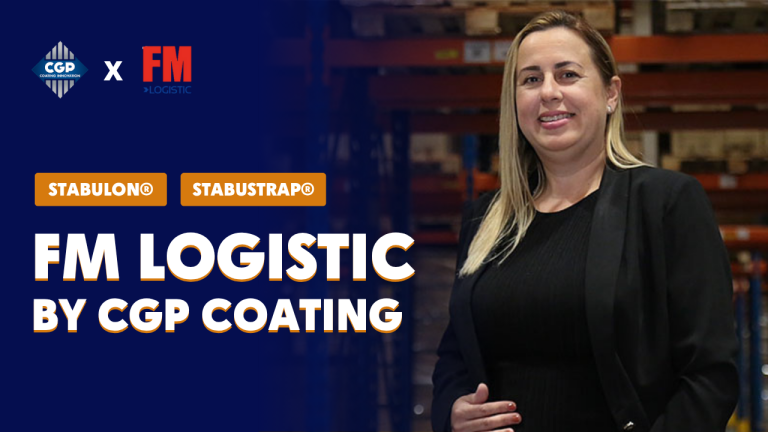
This result corresponds to a specific application and does not constitute a claim applicable to all pallets.
Five recommendations for taking action
- Measure the actual amount of film used per pallet.
- Identify the stage at which the load begins to deform.
- Assess sliding at the base and between layers separately.
- Test the solution on several representative pallets.
- Compare the overall cost and document the validated settings.
Frequently Asked Questions
Can stretch film be completely eliminated?
This depends on the load and its logistics circuit. For certain internal operations, STABUSTRAP® can replace temporary wrapping. For transportation, the complete securing system must be validated according to the actual constraints.
Is an anti-slip interlayer enough?
Not always. It improves friction between layers, but stability also depends on the packaging, palletization pattern, base and external securing.
Is the COMBO Solution suitable for all pallets?
The combination must be adapted to the dimensions, weight, packaging and handling constraints. A diagnosis and field trial are recommended before deployment.
Conclusion
Logistics optimization begins with a better understanding of load movement. By improving adhesion at the base and between layers, manufacturers can reduce consumption, rework and certain costs related to damage.
The COMBO Solution combines STABULON®, STABUSTRAP® and STABUSTOP®. Its benefits should be assessed using precise indicators and a representative test.
Key Takeaways
- Adding more film does not always correct internal slipping.
- The three components of the COMBO Solution have complementary functions.
- Savings and film reduction must be measured for each application.
- A field trial is recommended before industrial deployment.
Request a Palletization Assessment
CGP COATING INNOVATION can analyze your load, consumables and logistics flows, and then define a test protocol with you. You will have concrete data to assess stability, film consumption and potential savings.


Our team helps you find the solution that meets your needs.