














Question of the month : Mike Güther
- Karine Morel
- [wpcode id="48710"]
Table of content
Interview with Mike Güther, Logistics Manager & Trainer – CGP Coating Innovation

Goods safety is a major concern at every stage of the logistics chain. For this new Question of the Month, we take a closer look at cargo securing: the challenges involved, the most common mistakes, and the best practices to adopt to ensure safe and controlled transport.
We asked Mike Güther, Logistics Manager & Trainer at CGP Coating Innovation, for his insights.
1- Mike, Could you introduce yourself and tell us a little about your role as a cargo securing trainer?
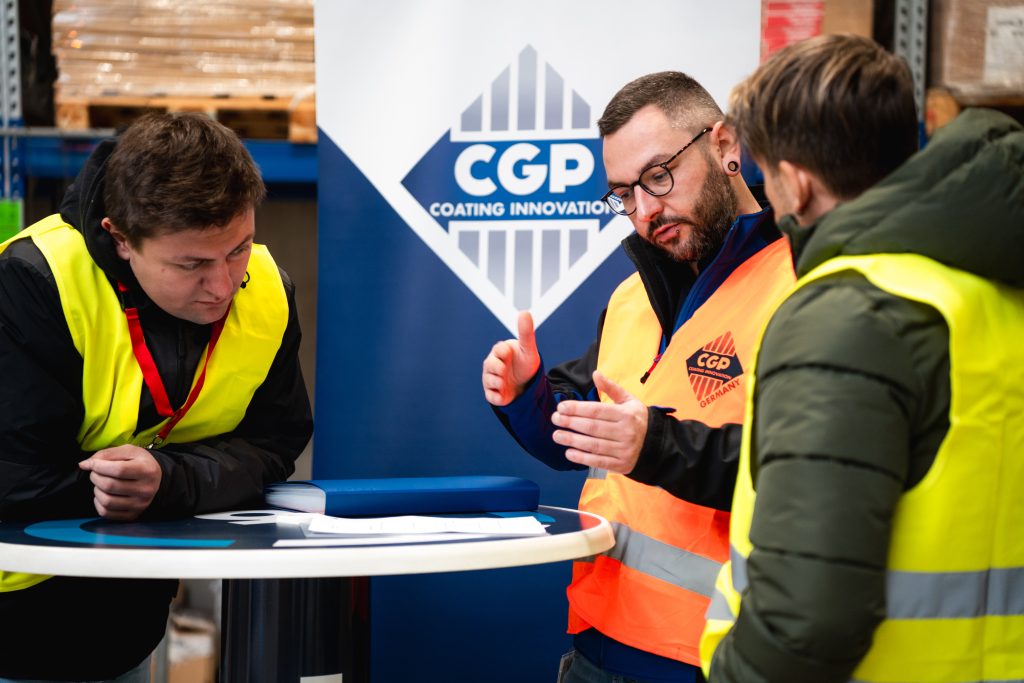
With pleasure. My name is Mike Güther, and I have been working in the logistics sector for many years. In my day-to-day work, I deal in particular with processes related to storage, loading and transport. As a trainer, it is also important to me not only to share theoretical knowledge, but to show people why certain rules and measures are necessary in practice.
In my role as a cargo securing trainer, my main focus is therefore on raising awareness of the responsibilities involved in securing loads. Load safety does not begin with the driver on the road, but much earlier, during planning, with the right packaging and loading process. I want to show participants that cargo securing is not simply a necessary constraint, but an essential part of a professional logistics process.

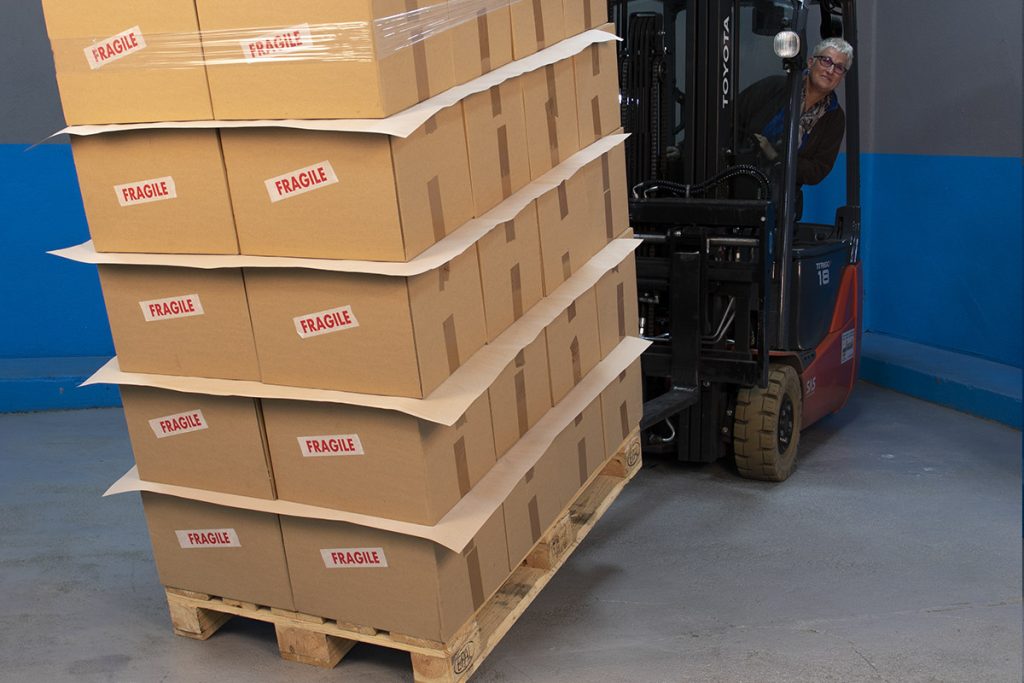
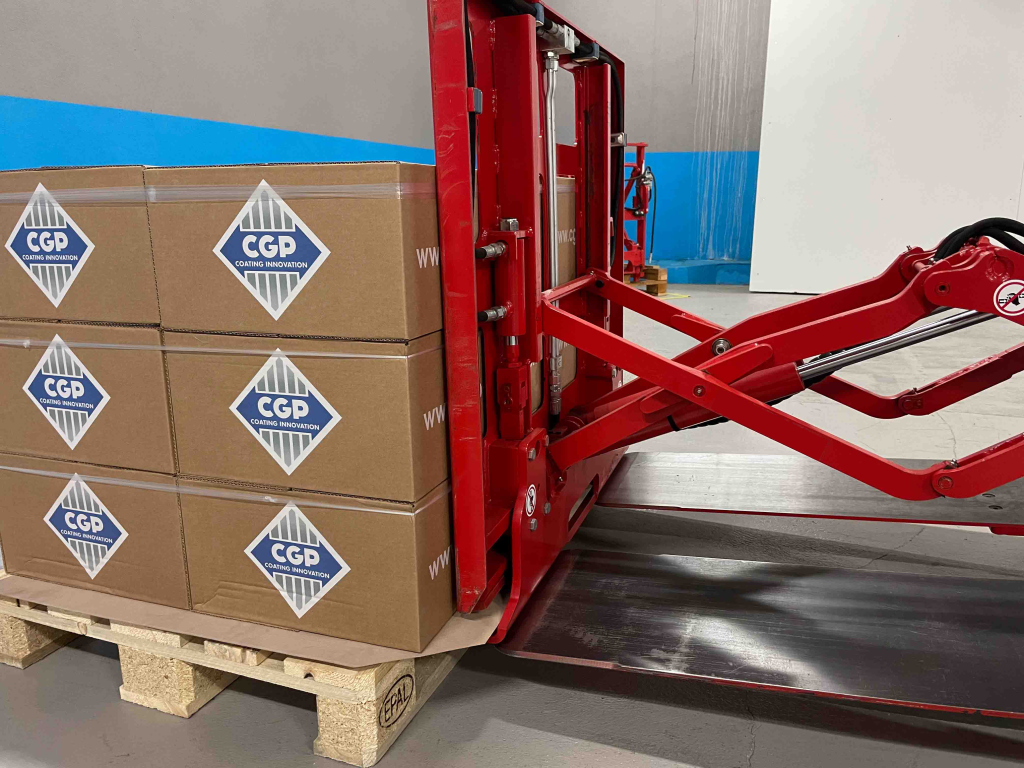
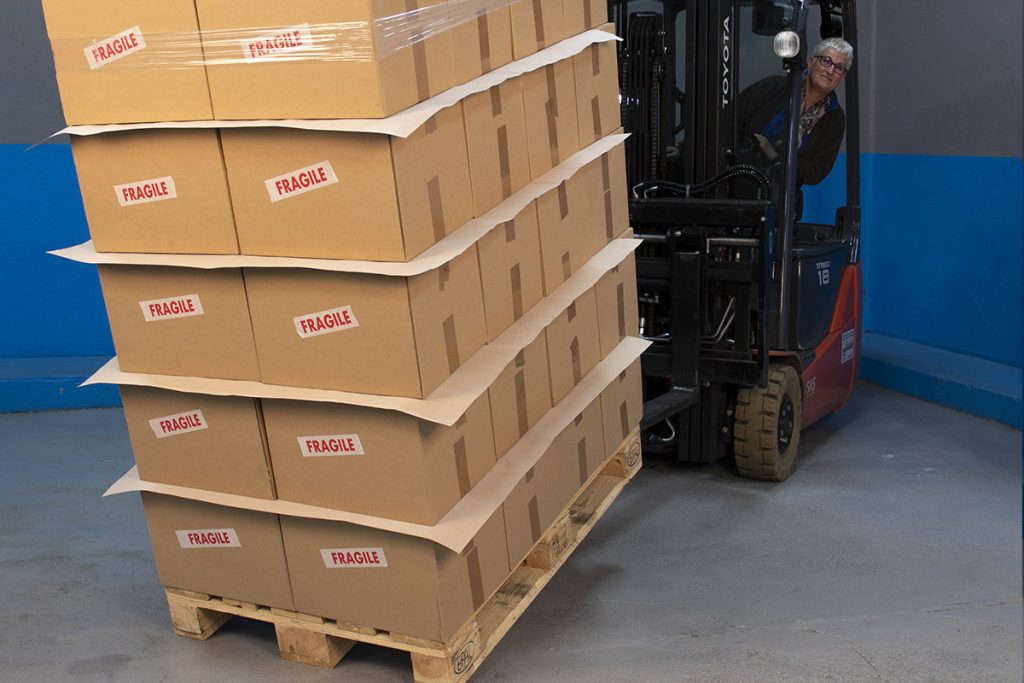
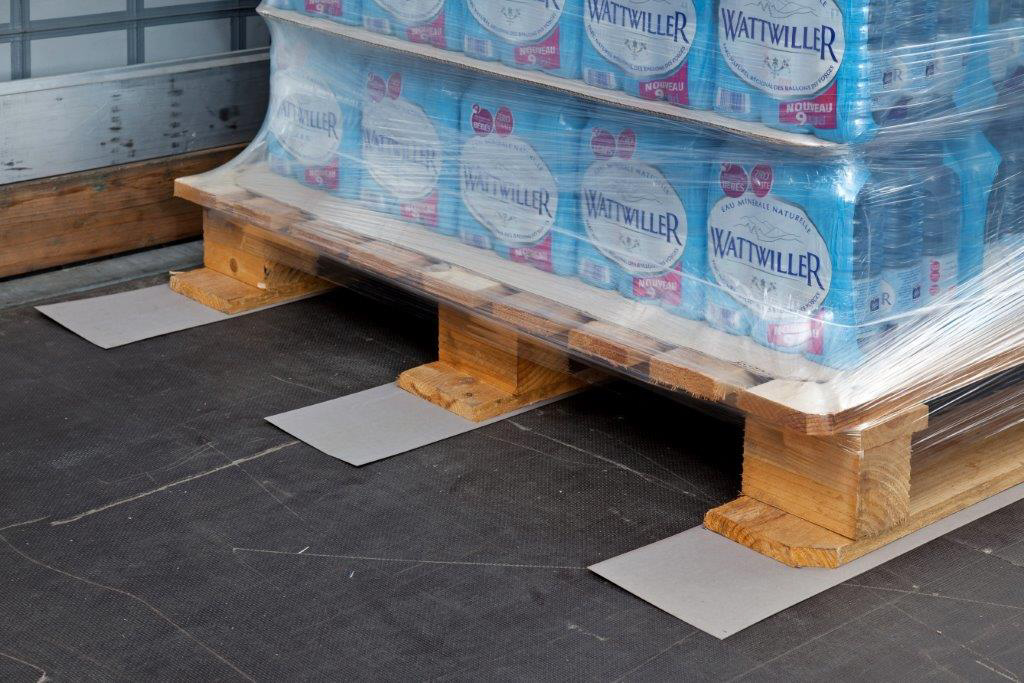
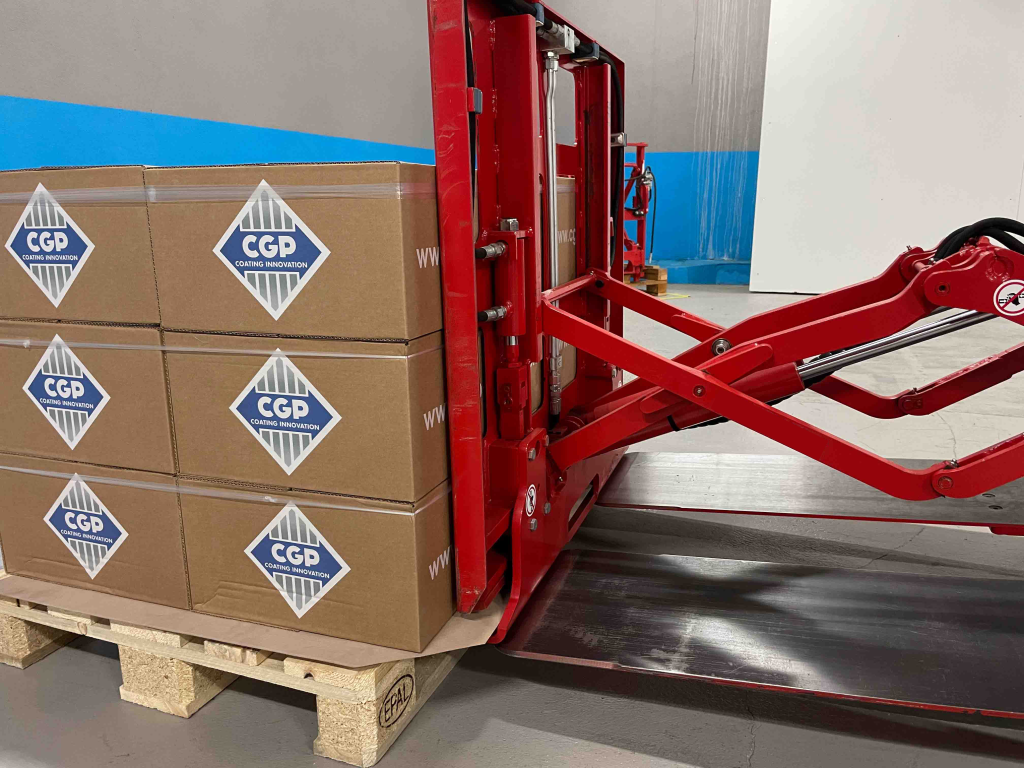
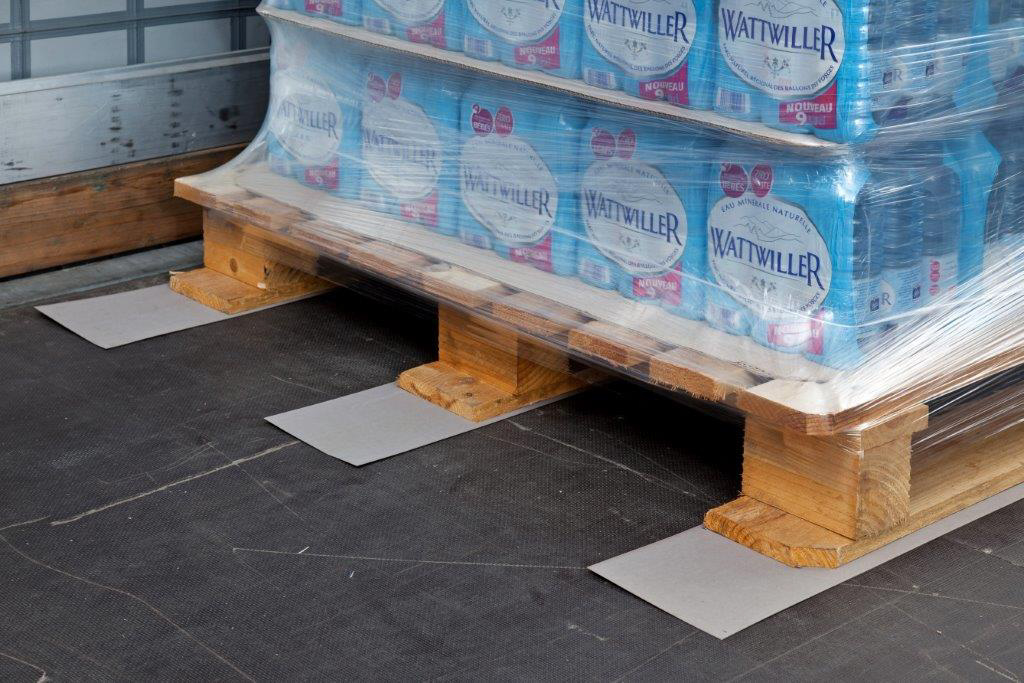
Practical solutions also play an important role in my training. One example is STABULON® & STABUSTOP®, two anti-slip solutions that can help make load units more stable between the different layers and prevent loads from shifting. These are precisely the kind of practical solutions that can be effectively demonstrated during training sessions.
2- Why is cargo securing such an important issue for companies today?
Cargo securing has a direct impact on the safety of people, vehicles and goods. A load that has been incorrectly assessed or insufficiently secured can shift during transport. The forces involved are often underestimated.
For companies, however, it is not only about preventing accidents. Damaged goods, delivery delays, claims, as well as potential legal or financial consequences, can also have a significant impact.
From my point of view, professional cargo securing therefore relies on a balance between safety, quality and profitability. A company that manages this aspect correctly not only protects people, but also its own processes and relationships with its customers.
It is also important to consider the different options available, from suitable packaging and appropriate securing equipment to anti-slip solutions.
3- What are the most common mistakes you observe during your training sessions?
A common mistake is to assess cargo securing based on the principle of “It should hold”. People often focus on the weight of the load without sufficiently considering the forces that actually occur during a journey.
Another issue is a lack of knowledge about the characteristics of the load and the securing equipment being used. The choice or use of securing equipment, anti-slip materials and other auxiliary equipment is sometimes not properly understood.
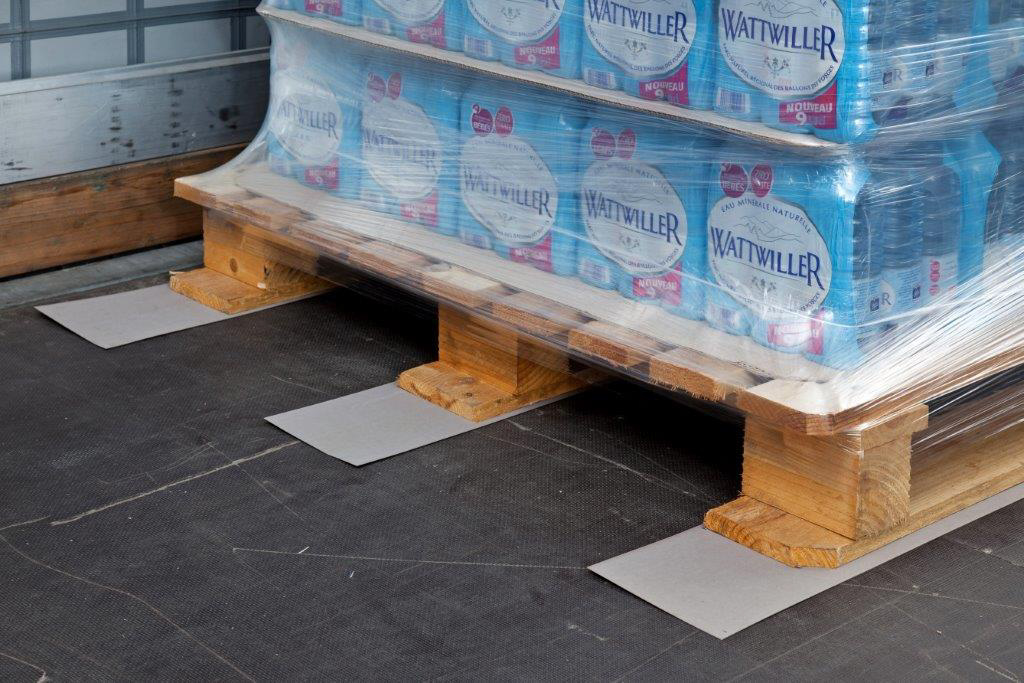
When it comes to anti-slip materials, the influence that a suitable support can have on the stability of a load unit is often underestimated. STABUMAX® is a good example of how a relatively simple measure can effectively contribute to cargo securing.
I also very often see cargo securing being considered solely the driver’s responsibility. In reality, it starts much earlier: when the goods are prepared and packaged, when the load unit is designed and during the loading process.
My main approach during training is therefore the following: Not only to show how to secure a load, but to explain why it is necessary.
4- What are the risks associated with incorrect cargo securing, both for people and for the goods being transported?
The risks can be considerable. If a load shifts during the journey or even falls from the loading platform, it poses an immediate danger to the driver, other road users and the people who will subsequently have to handle the load.
But the goods themselves are also exposed to risks. Pallets can slide, products can be damaged, or entire load units can become unstable. This often leads to significant material damage and additional costs.
Furthermore, insufficient cargo securing can have legal consequences. It is therefore important to always keep in mind that: Cargo securing is not a subject that should only be kept in a file for emergencies; it can prevent accidents.
5- What advice would you give to a company that wants to sustainably improve the safety of its transport operations?
My main advice would be to make cargo securing an integral part of the company’s culture, rather than treating it as a one-off training exercise.
This first requires a clear and consistent approach: Who is responsible? What goods are being transported? What securing equipment is required? And how can we check that the instructions are actually being followed?
Regular training is equally important. Employees should not simply receive theoretical training once, but should also have the opportunity to practise good practices in real-life situations and question them when necessary.
A company must also be prepared to regularly review its existing processes and look for suitable solutions. A company that regularly reviews its processes and does not simply correct mistakes, but also analyses why they occurred, can genuinely improve its practices in the long term.
For me, good cargo securing therefore means one thing above all: Taking responsibility for people, goods and transport safety.


Our team helps you find the solution that meets your needs.