











Question of the month – Training our distribution partners
- Karine Morel
- [wpcode id="48710"]
Table of content
Training our distributors: sharing our expertise to develop tomorrow’s markets together
Interview with Patrick INKMANN, Sales Representative for Distributors in Germany/Austria – CGP Coating Innovation
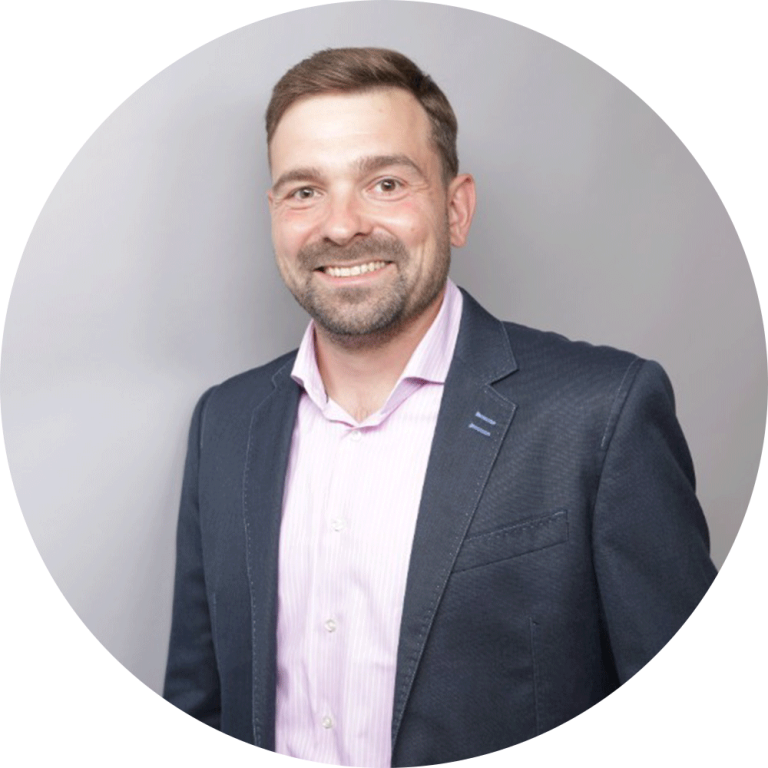
Patrick Inkmann shares his insights into distributor training, the importance of sharing technical expertise and how tailored support helps develop stronger partnerships and new business opportunities.
1- Why is distributor training an important issue for CGP Coating Innovation?
Our distributors are essential to our growth. They work with customers every day, understand their processes, and are often the first point of contact when it comes to packaging and load securing. We can only be as strong as the partners who represent our solutions in the field.
I have been working in anti-slip solutions since 2008, and I know the business from both the manufacturer’s and the distributor’s side. One thing I have learned is that a product like STABULON® isn’t sold on price. It is sold through good advice. Our training courses pass on our expertise so that our partners can give that advice with confidence.
Something just as important happens during these sessions: we build personal relationships and mutual trust. When people know and understand each other, they work together more successfully over the long term.

2- What are the main objectives of the training courses we offer our distributors?
The first objective is to help our partners identify their customers’ real needs. Customers often don’t realise they have a load-securing problem at all. They only notice it through damaged goods, complaints, or high stretch film consumption. We want our partners to ask the right questions and recognise these warning signs.
The second objective is targeting the right markets. We show where our solutions add the most value: branded goods manufacturers in both the food and non-food sectors, the chemical industry, and logistics. This way, our partners can focus their time where the chances of success are highest.
Third, it’s about spotting opportunities, including with existing customers. A distributor who already supplies stretch film or layer pads usually has direct access to the customer. With the right knowledge, that relationship can become additional business with STABULON®.
3- Which products, solutions or technical aspects are covered during these training sessions?
Our training focuses on three key areas.
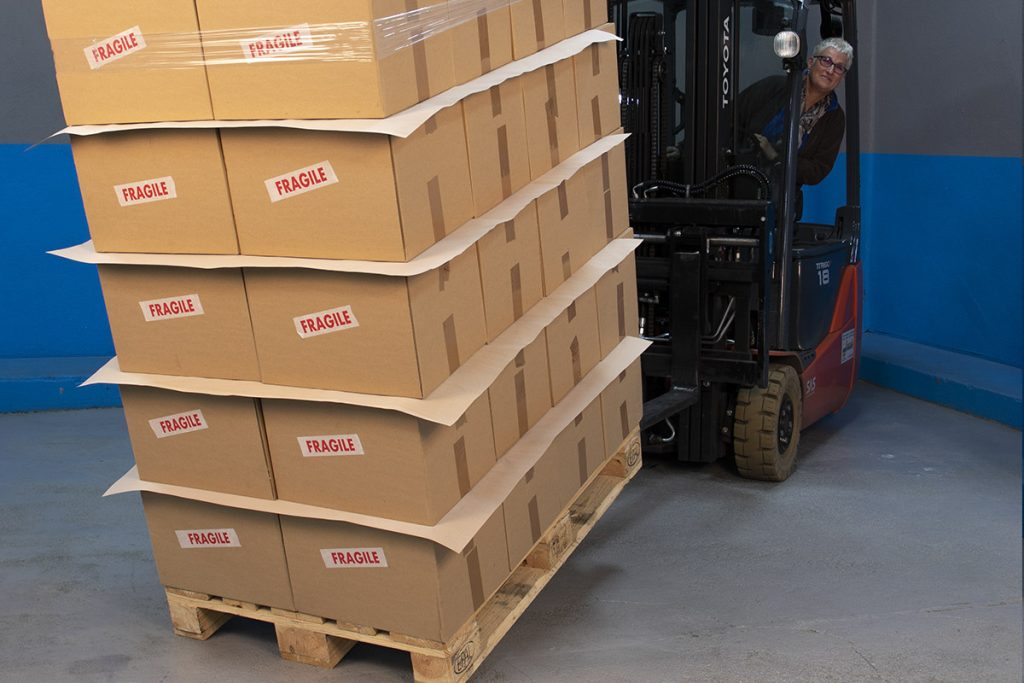
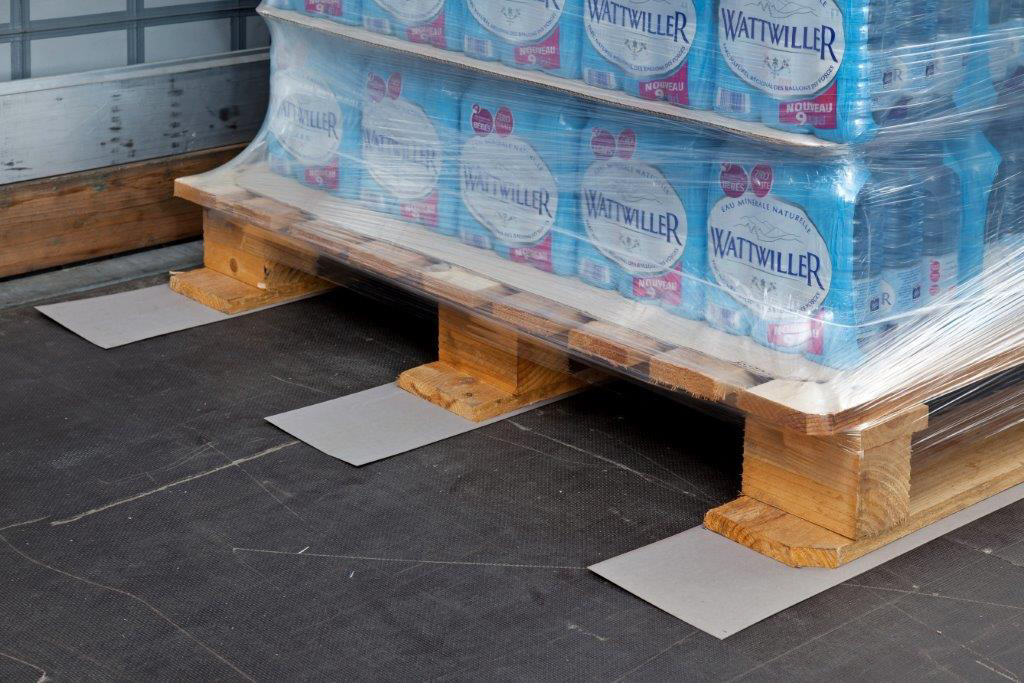
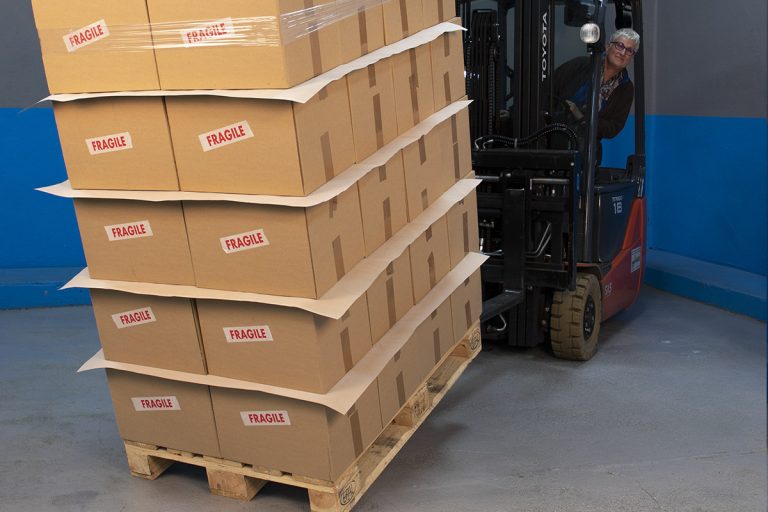
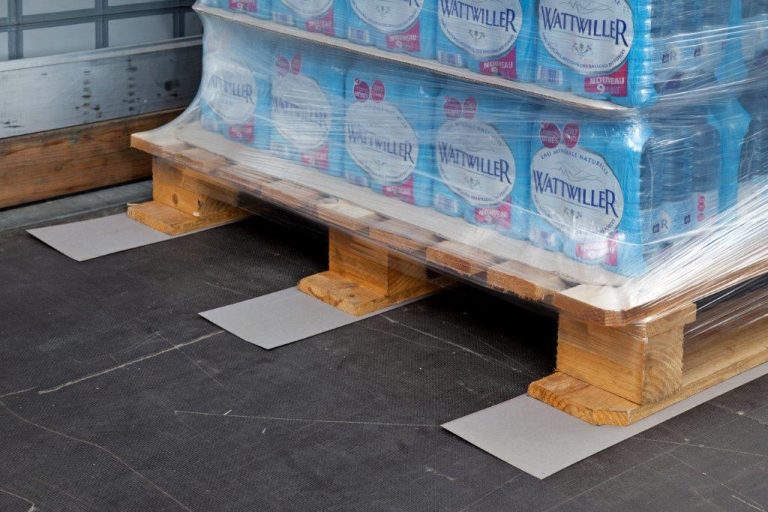
Unit load stabilisation: This is about the stability of the pallet itself. We explain why layers shift on a pallet and how anti-slip layer pads such as STABULON® stabilise the unit load. In many cases, this also reduces the amount of stretch film needed.
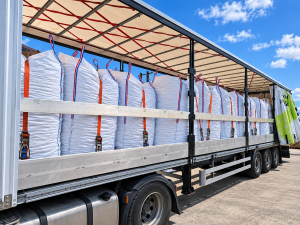
Load securing: This is about securing the cargo on the vehicle. Our partners learn which forces act on a load during transport and how anti-slip solutions help to transport goods safely and in line with regulations.
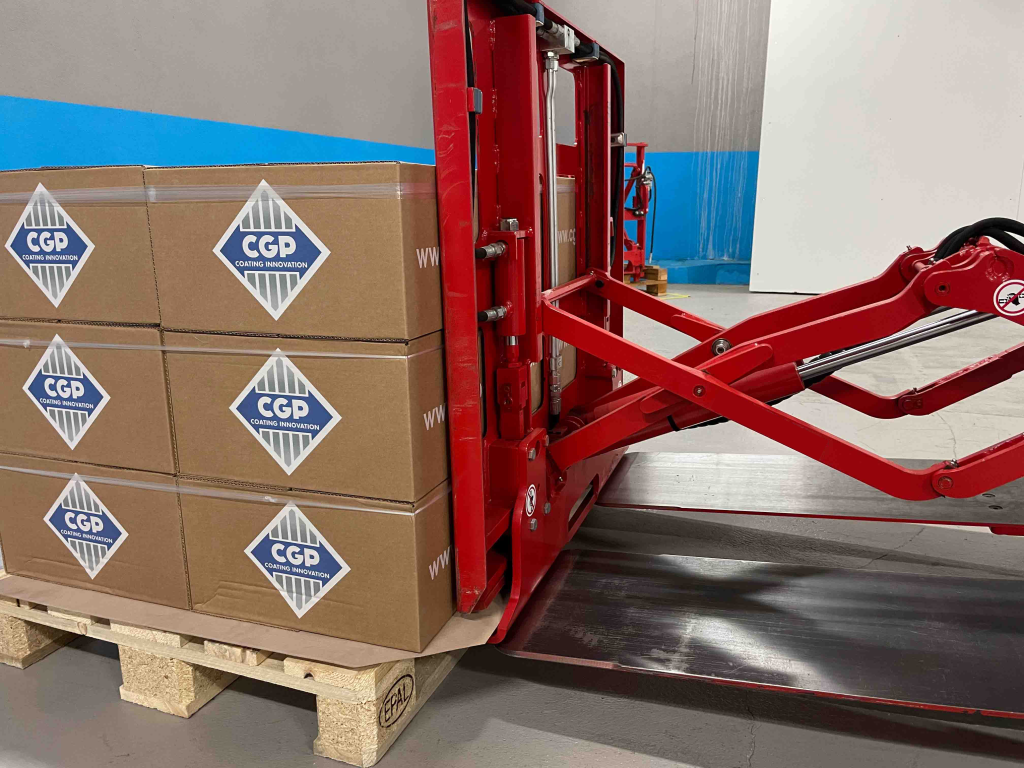
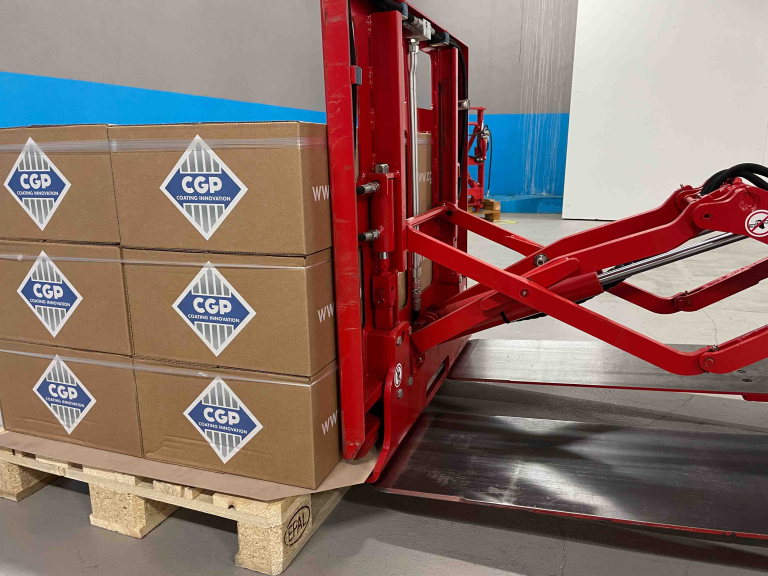
Slip sheets : are an alternative to the traditional wooden pallet. We show where they make sense, what advantages they offer in terms of weight, space and cost, and what to look out for when using them.
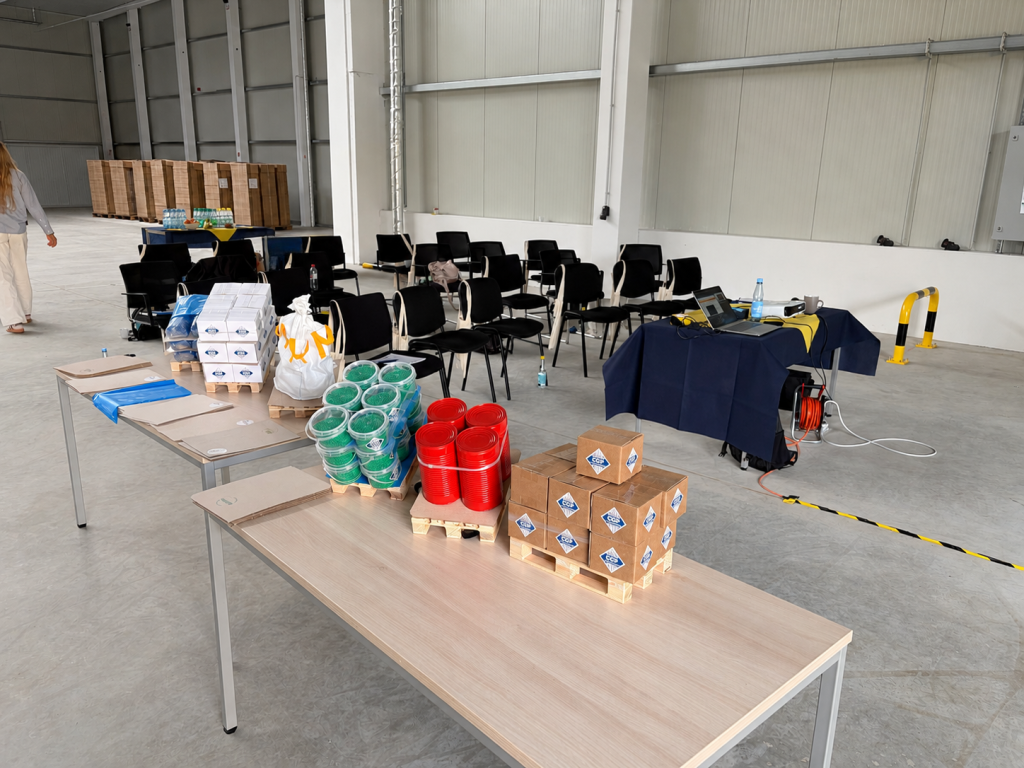
We make sure the theory never stays abstract. We work with samples and real-life examples so that our partners can explain our solutions convincingly to their own customers.
4- How do we adapt our training courses to the needs and knowledge levels of each distributor?
There is no one-size-fits-all training. Before we plan a session, we take a close look at where the partner stands: How well does the team already know our products? Which markets do they serve? What do their customers need? We build the content around the answers.
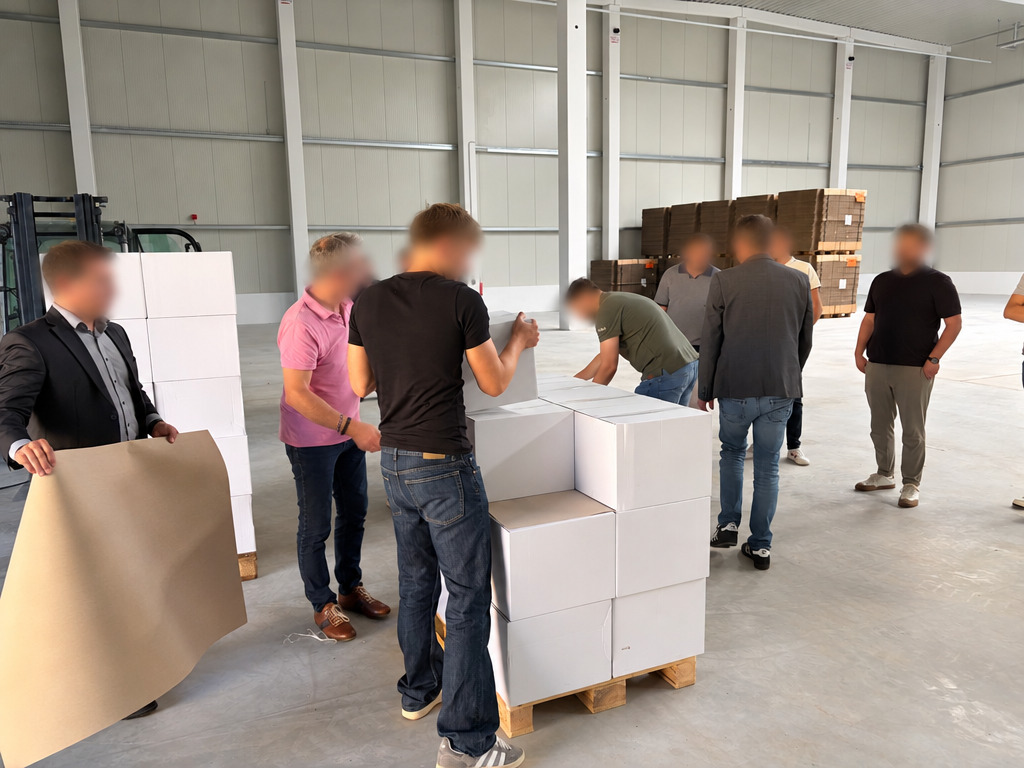
A good example is a training programme we ran with a major strategic distribution partner. STABULON® is already a well-established product there, so the goal wasn’t to introduce something new. Instead, we wanted to deepen the whole sales team’s understanding of the product and replicate existing successes with other existing and new customers. To do this, we visited five locations and trained almost 100 sales representatives, most of them from the field sales team.
Building on this, we are now planning targeted marketing and sales campaigns together with the partner. For us, the training is not the end of the process. It is the starting point for an even closer collaboration.
And learning goes both ways. Our partners’ knowledge of their customers and markets helps us keep improving our solutions and our training.
5- How does training our distributor partners help them better advise their customers and promote CGP solutions?
After the training, our partners aren’t just selling a product. They are offering a solution to a specific customer problem. And these problems are familiar to everyone in industry: damaged goods, complaints, unsafe transport and rising costs.
Once you understand why a pallet becomes unstable and how to secure it properly, you can approach a customer in a completely different way. Our partners can work with the customer to find the root cause instead of just treating the symptoms, for example by adding more and more stretch film.
This is where the real value lies. Anti-slip paper can often reduce film consumption, goods arrive undamaged, and logistics costs go down, thanks to fewer damages, less rework, or the use of slip sheets instead of wooden pallets. It can also speed up processes, for example through shorter wrapping times or faster loading and unloading. When a partner can back this up with figures and real-life examples, they become a trusted advisor to their customer. That strengthens their position and CGP’s at the same time.
6- How do you see distributor support and training evolving over the coming years?
I’m convinced that one-off training sessions will no longer be enough. Markets, requirements and contacts are constantly changing. That’s why support will become more continuous: regular refresher sessions, short digital formats in between, and quick assistance whenever a partner needs specific help with a customer.
At the same time, support will become more personalised. Every partner has their own focus, markets and goals, and we want to respond to them even more specifically.
Above all, commercial collaboration will become closer. As in the example with our strategic partner, it’s not just about sharing knowledge. It’s about approaching customers together, planning campaigns and sharing successes. The goal is a true partnership that benefits both sides.


Our team will help you find the solution that meets your needs.