








Pallet Stability: 8 Effective Methods
- Karine Morel
- [wpcode id="48710"]
Table of content
Why Pallet Stability Has Become Essential
Every pallet goes through a long logistics journey. It is handled by forklifts, wrapped with stretch film, stored in warehouses, and then transported by truck, rail, or sea.
If the load shifts, the consequences are immediate: damaged products, crushed cartons, torn stretch film, time lost rebuilding pallets, and sometimes even delivery refusals from customers.
That is why pallet stability has become a priority for manufacturers and logistics professionals. Proper pallet load stability protects products, improves safety, reduces packaging costs, and supports warehouse automation as well as pallet transportation.
The good news? Improving pallet stabilization does not necessarily mean using more packaging materials. In many cases, a better strategy delivers better results while using fewer resources.
1- What Is a Stable Pallet Load?

A stable pallet load is able to maintain its integrity throughout storage, handling, and pallet transportation.
Products remain perfectly in place from the production line to the final customer.
Good pallet load stability enables the load to withstand:
- forklift handling;
- warehouse storage;
- road transport;
- braking;
- cornering;
- vibrations;
- containerized sea transport;
- automated material handling systems.
The objective is simple: products should arrive in exactly the same condition as when they left the factory.
2- What Causes Poor Pallet Stability?
Many companies believe that stretch film is the main factor behind pallet stability.
It is not.
Stretch film secures the load, but it cannot correct an unstable pallet.
Poor pallet stabilization is generally the result of several factors.
Poor Pallet Design
Everything starts with how the pallet is built.
The most common mistakes include:
- poor load distribution;
- products overhanging the pallet;
- excessive load height;
- an unsuitable palletizing pattern;
- damaged pallets.
A properly built pallet is always easier to secure.

Insufficient Friction Between Products
A low coefficient of friction is one of the main causes of poor pallet load stability.
Smooth packaging surfaces encourage products to slide during pallet transportation.
This is particularly true for:
- printed cartons;
- plastic buckets;
- plastic bottles;
- flexible bags;
- shrink-wrapped products.
As soon as one layer begins to slide, the entire pallet gradually loses its stability.
Increasing friction is one of the simplest ways to improve pallet stability.
Poor Load Securing
Effective load securing starts even before stretch film is applied.
If products can move inside the pallet, adding more stretch film rarely solves the problem.
A good solution combines:
- a properly built pallet;
- increased friction between layers;
- effective load securing;
- properly adjusted stretch wrapping.
3- 8 Methods to Improve Pallet Stability
1. Use a High-Quality Pallet
Every pallet stabilization project begins with a pallet in good condition.
Before use, inspect:
- broken deck boards;
- missing blocks;
- signs of moisture;
- structural defects.
A solid foundation naturally improves pallet load stability.
2. Build the Pallet Correctly
Proper palletizing is one of the most effective ways to improve pallet stability.
A few simple rules make all the difference:
- place the heaviest products at the bottom;
- center the load;
- avoid overhang;
- build even layers;
- respect the maximum load height.
A well-balanced pallet is easier to secure and safer to transport.
3. Increase Friction Between Layers
Friction plays a key role in pallet stabilization.
The higher the coefficient of friction, the less the products move.
The benefits are numerous:
- improved pallet stability;
- greater pallet load stability;
- reduced load movement;
- fewer transport damages;
- better load securing.
The objective is no longer simply to hold the load from the outside, but to prevent movement within the pallet itself.
4. Use Anti-Slip Pallet Layer Sheets
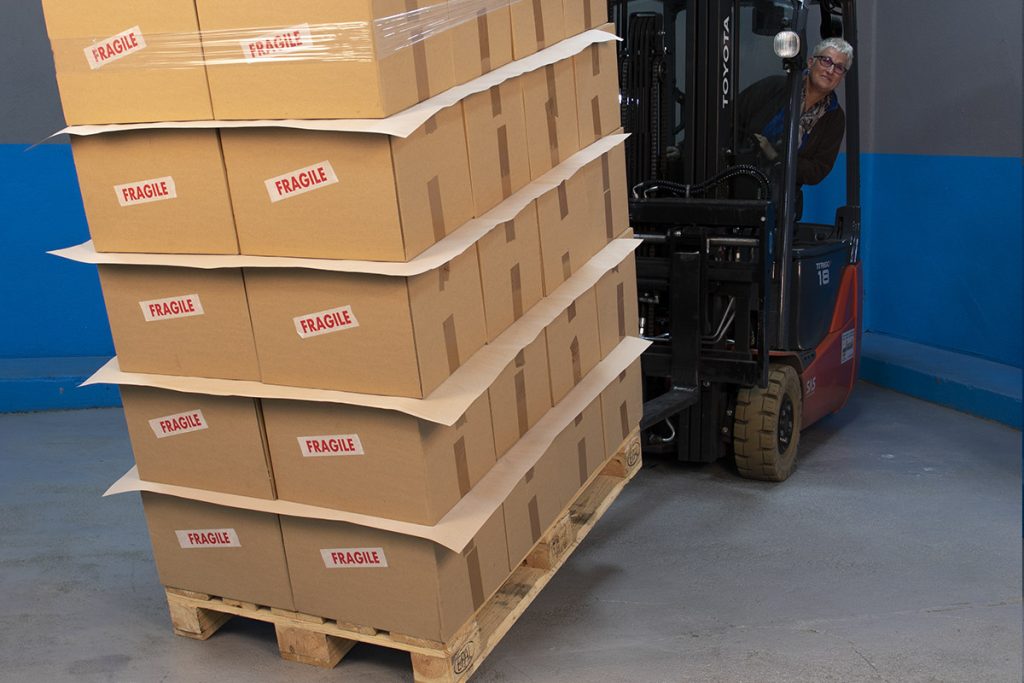
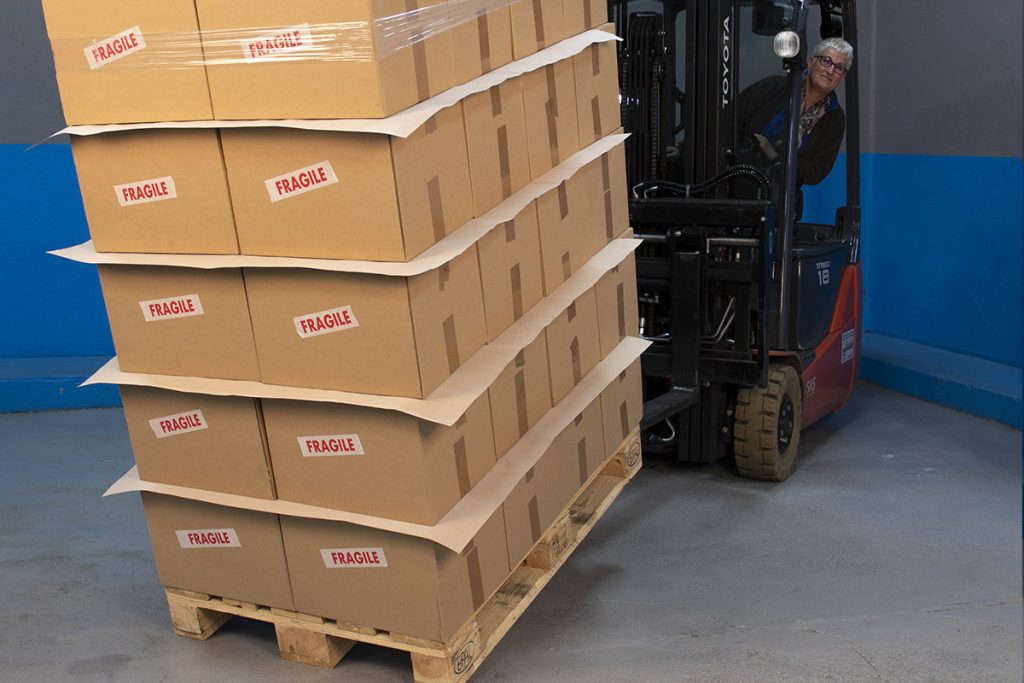
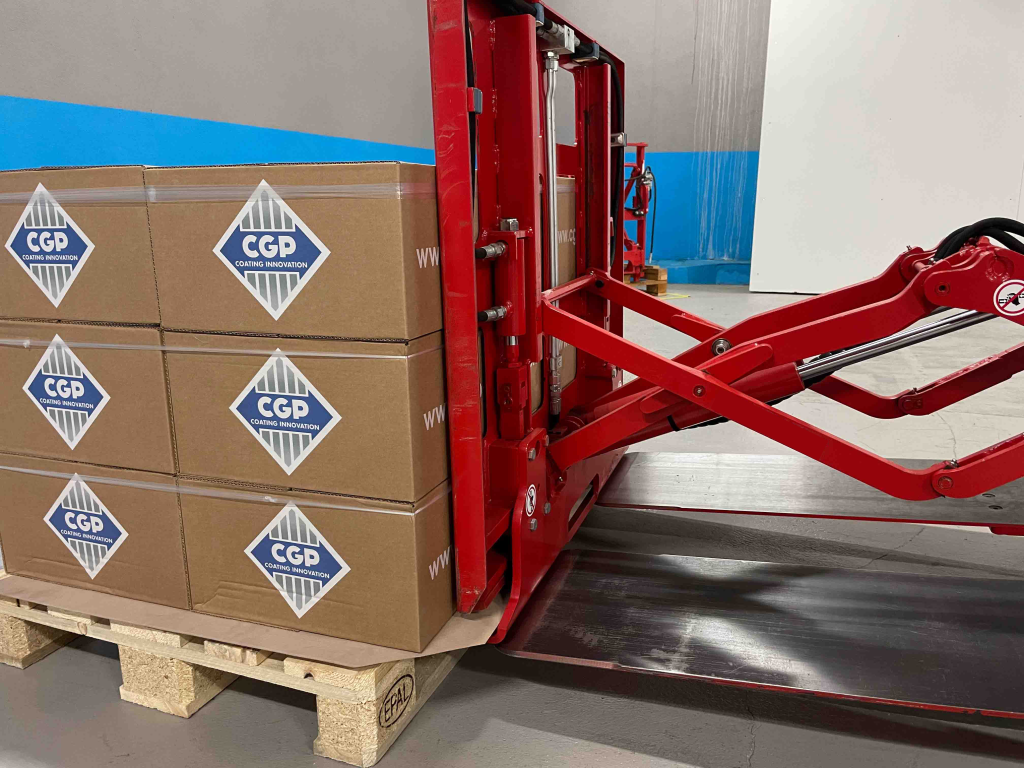
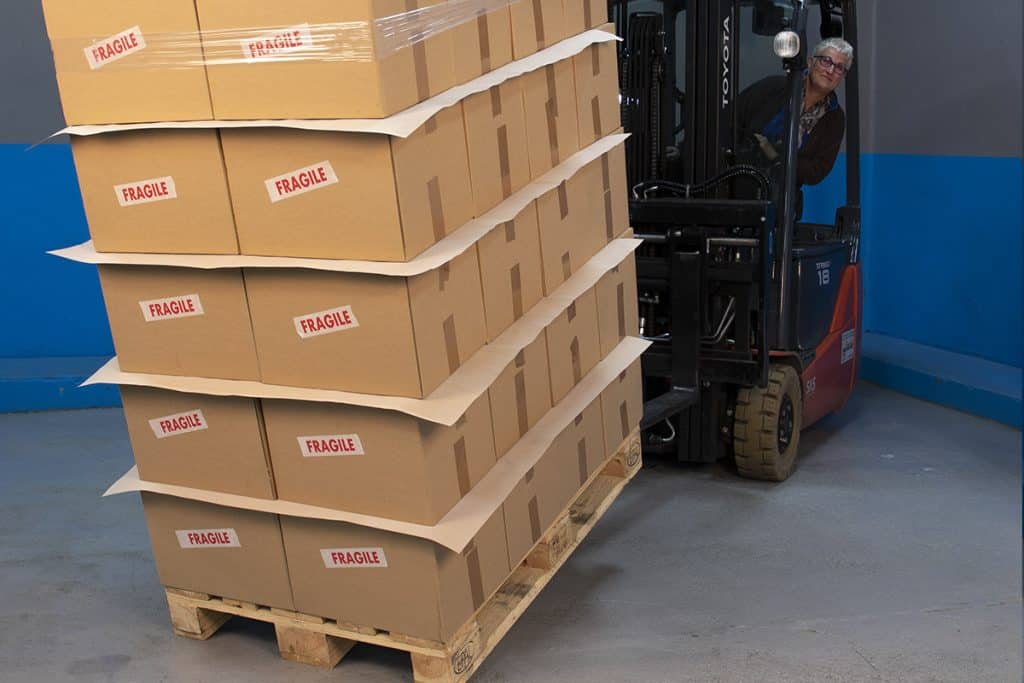
Anti-slip pallet layer sheets are one of the most effective solutions for pallet stabilization.
Unlike conventional layer sheets, anti-slip sheets significantly increase friction between each layer of products.
This simple solution improves pallet stability during both storage and transportation.
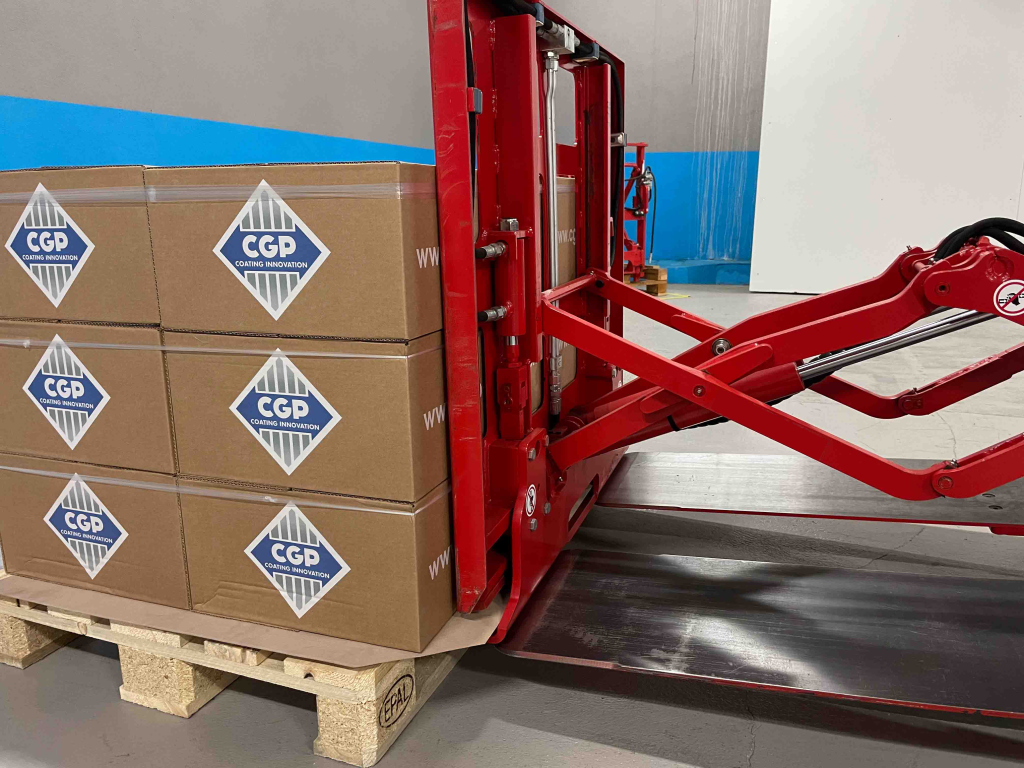
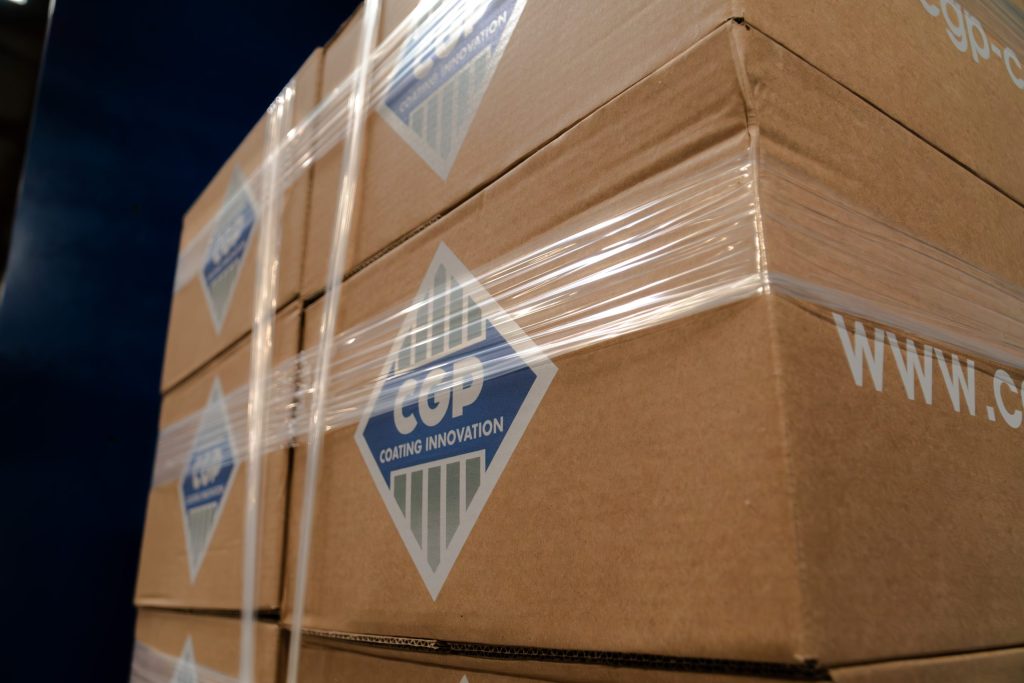
STABULON® anti-slip pallet layer sheets developed by CGP Coating Innovation help to:
- improve pallet stability;
- increase pallet load stability;
- optimize load securing;
- reduce transport damage;
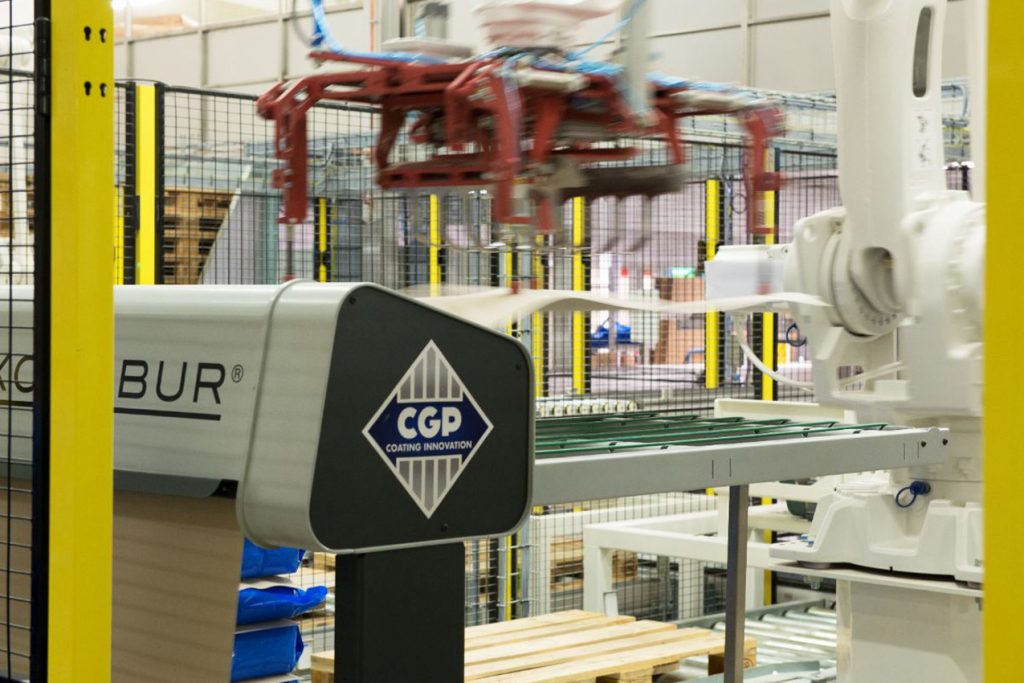
- support warehouse automation;
- reduce plastic consumption.
By limiting product movement, they also help reduce stretch film usage.
5. Optimize Stretch Wrapping
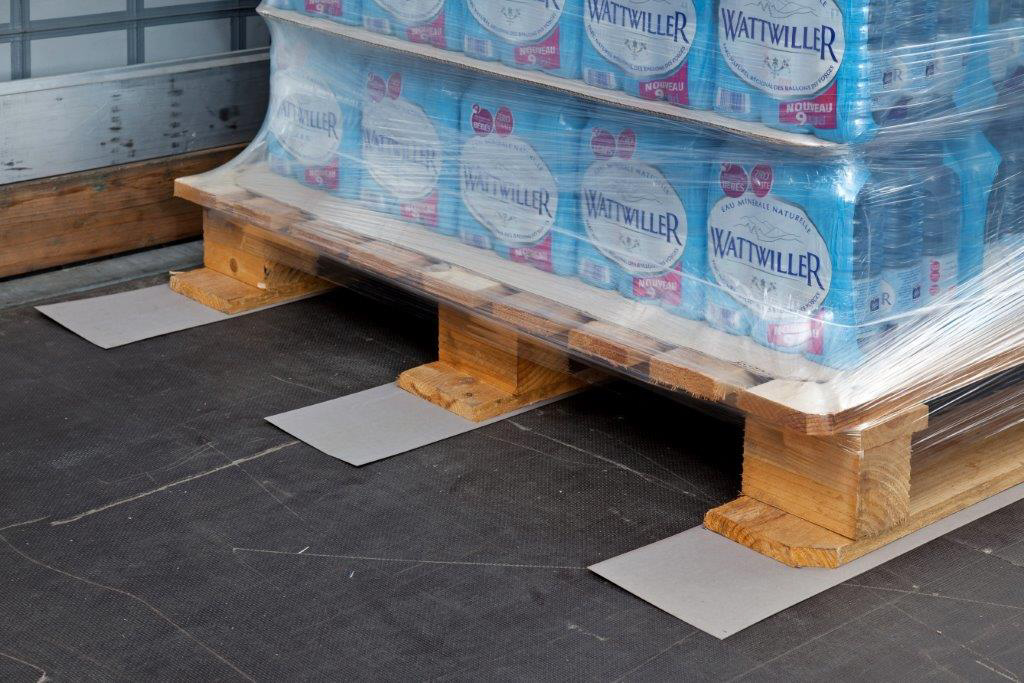
Stretch film remains essential for load securing.
However, using more film does not automatically improve pallet stability.
Instead, optimize:
- film tension;
- the number of wraps;
- film overlap;
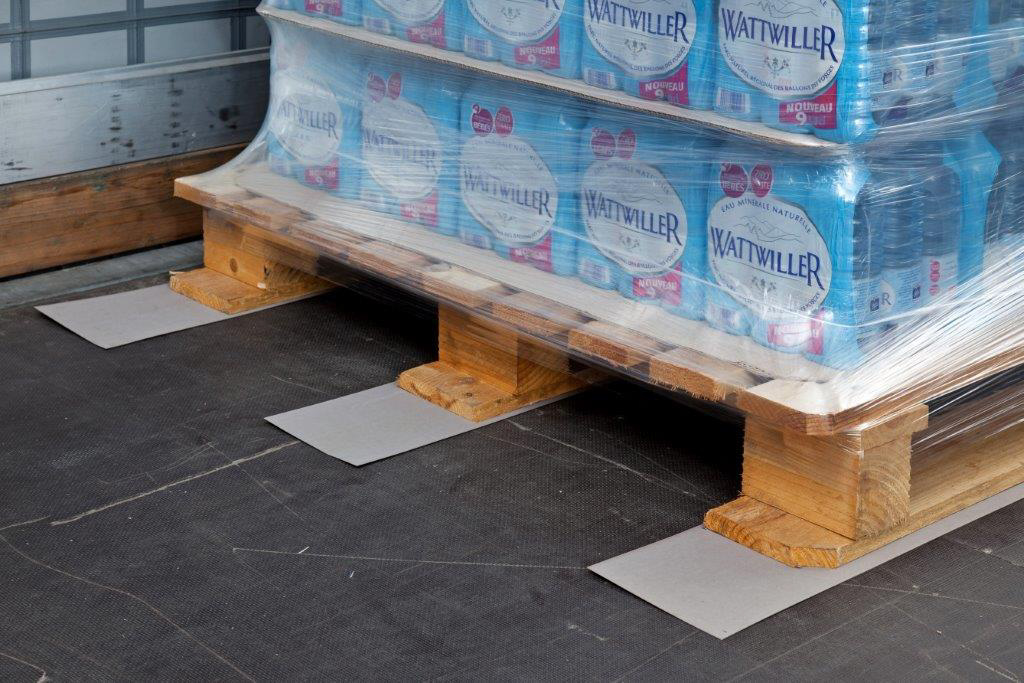
- reinforcement at the base of the pallet.
Proper machine settings improve stability while supporting stretch film reduction.
6. Add Reinforcements When Necessary
Some loads require additional reinforcement.
Depending on the application, you may use:
- corner protectors;
- horizontal strapping;
- elastic bands;
- pallet top covers.
These accessories improve load securing but should always complement a well-stabilized pallet.
7. Adapt Stabilization to Transport Conditions
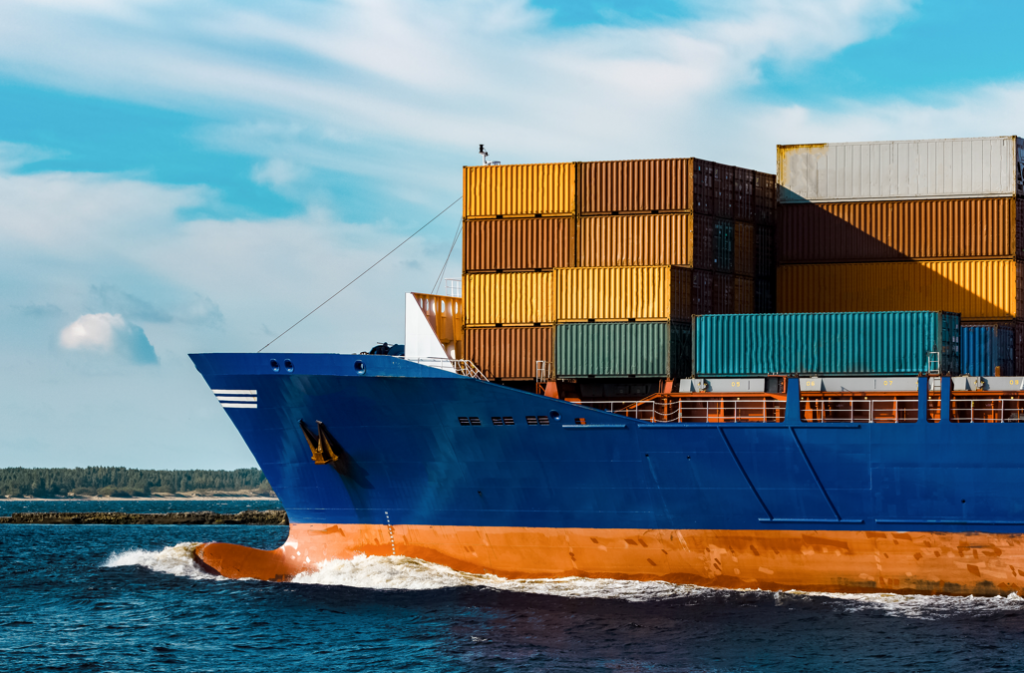
Not every shipment faces the same constraints.
Before organizing pallet transportation, consider:
- transport distance;
- road conditions;
- sea transport;
- container shipping;
- the number of handling operations.
Choosing the right pallet stabilization solution always depends on the logistics conditions.
8. Test Pallet Load Stability
Testing remains the best way to improve pallet stability.
Transport simulations make it possible to evaluate:
- pallet load stability;
- product movement;
- load securing;
- packaging performance.
A few adjustments are often enough to generate significant cost savings.
4- Why Pallet Stabilization Now Relies on Friction
For many years, manufacturers mainly increased the amount of stretch film used.
Today, the trend is different.
They now prioritize pallet stabilization by increasing friction between products.
This approach delivers:
- better pallet stability;
- greater pallet load stability;
- improved load securing;
- significant stretch film reduction;
- lower packaging costs;
- more sustainable logistics.
An anti-slip solution stabilizes the load even before stretch film is applied.
5- Improve Your Pallet Stability with STABULON®
There is no single solution for improving pallet stability.
The highest-performing pallets combine:
- proper pallet design;
- optimized palletizing;
- a high coefficient of friction;
- effective load securing;
- optimized stretch wrapping;
- transport testing.
Among these solutions, STABULON® anti-slip pallet layer sheets provide one of the highest returns on investment by preventing movement between product layers.
They enable manufacturers worldwide to improve pallet stability, increase pallet load stability, reduce stretch film consumption, and secure pallet transportation.

Looking to Improve Your Pallet Stability?
Whether you transport cartons, bags, plastic buckets, or industrial products, the right pallet stabilization solution can reduce damage, improve safety, and lower your logistics costs.
Contact the experts at CGP Coating Innovation to discover how STABULON® anti-slip pallet layer sheets can optimize your pallet stability and improve the performance of your supply chain.

Our team helps you find the solution that meets your needs.