










Boost the stability of your columnar pallets!
- Karine Morel
- [wpcode id="48710"]
Table of contents
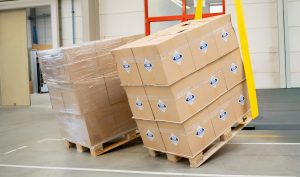
In the world of modern logistics, palletising is essential for transporting and storing goods. Among the different methods, columnar palletising stands out for its simplicity and efficiency in terms of space utilisation. However, it can pose stability problems, jeopardising the safety and integrity of products. An unstable pallet can lead to costly accidents, loss of goods and delays in the supply chain.
That’s why it’s crucial to master stabilisation techniques to ensure that your pallets arrive at their destination in perfect condition. Here are some simple but effective techniques for stabilising your pallets stacked in columns and ensuring the safety of your products.
Understanding columnar palletisation
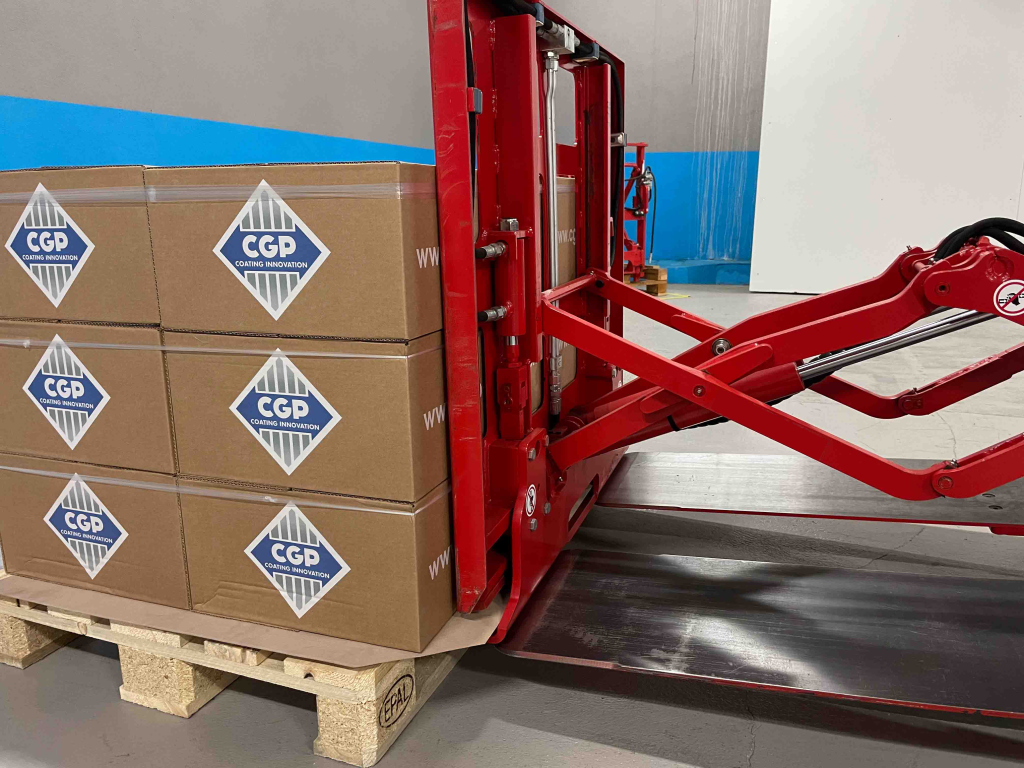
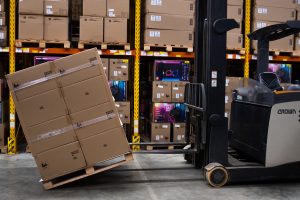
Columnar palletising involves stacking products directly on top of each other, forming straight, uniform columns. This method maximises the use of space, but can lead to stability problems if not done properly.

1- Use quality containers and boxes
For successful column palletising, use robust containers or boxes in good condition. Damaged or inferior boxes can collapse under the weight of the upper layers, compromising the stability of the pallet.
2- Distribute the weight fairly
Place the heaviest items at the bottom of the pallet and the lightest at the top. This lowers the pallet’s centre of gravity, reducing the risk of tipping. Incorrect weight distribution can cause the pallet to become unbalanced.
3- Align products with precision
Stack the products so that the edges of the boxes are well aligned. Accurate alignment reduces the risk of imbalance and improves pallet stability. Poor alignment can lead to uneven pressure points, increasing the risk of collapse.
4- Use corners and edges
Cardboard or plastic corners and edges add stability to the corners of the pallet. They help keep boxes in place and prevent them from slipping, by evenly distributing the pressure exerted by the top layers.
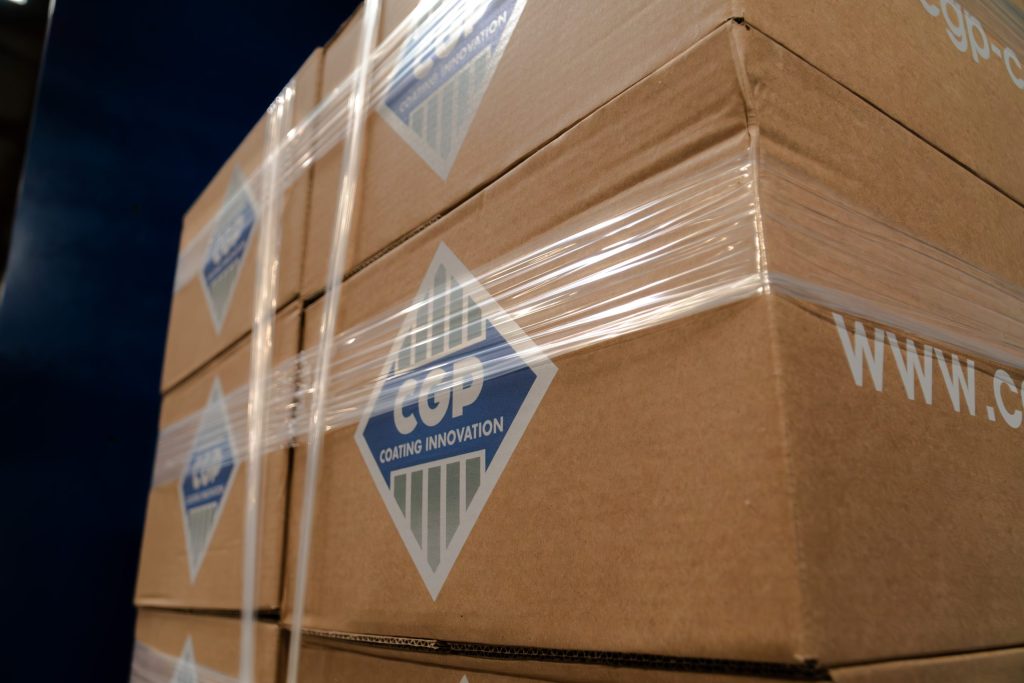
5- Wrap with stretch film
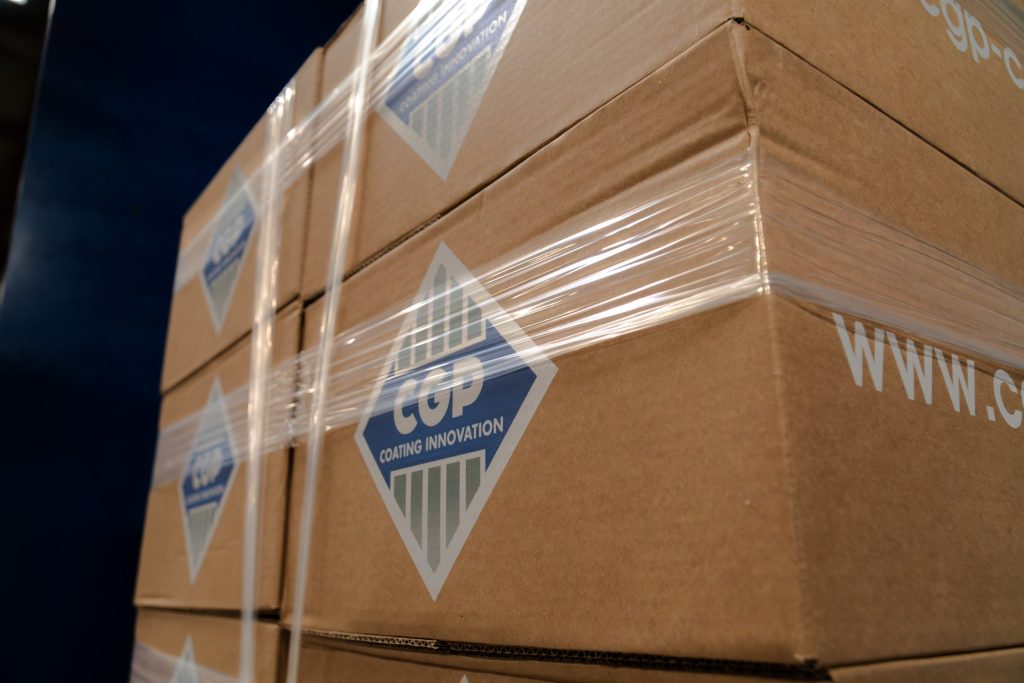
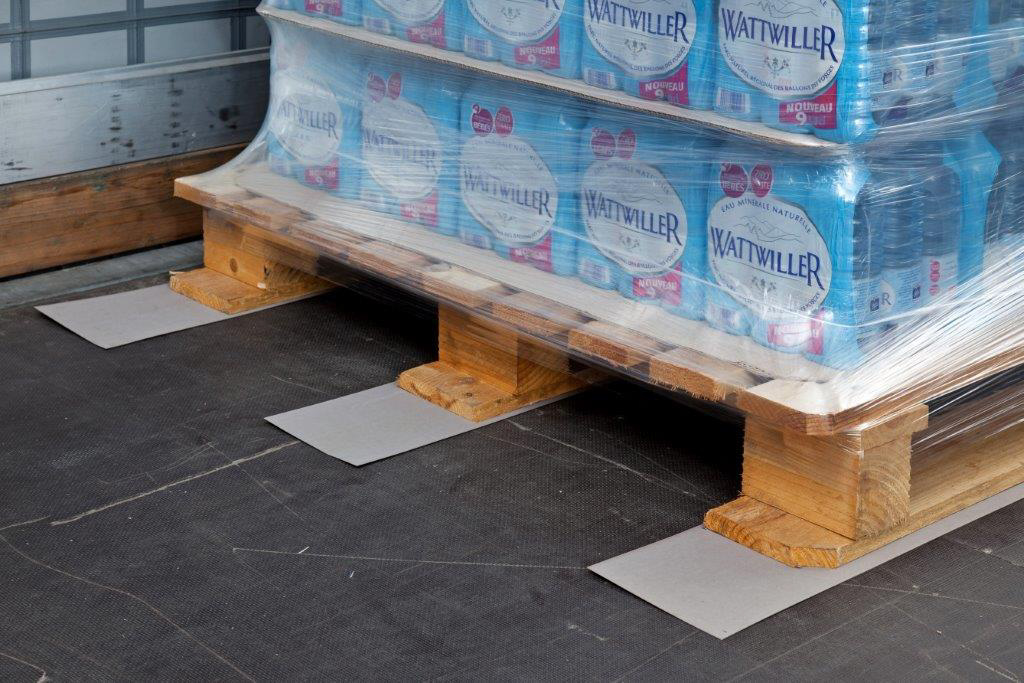
Wrap the pallet with stretch film to secure the boxes together. Make sure you pull the film tight so that it holds the products firmly in place. Using several layers of film can also improve stability.
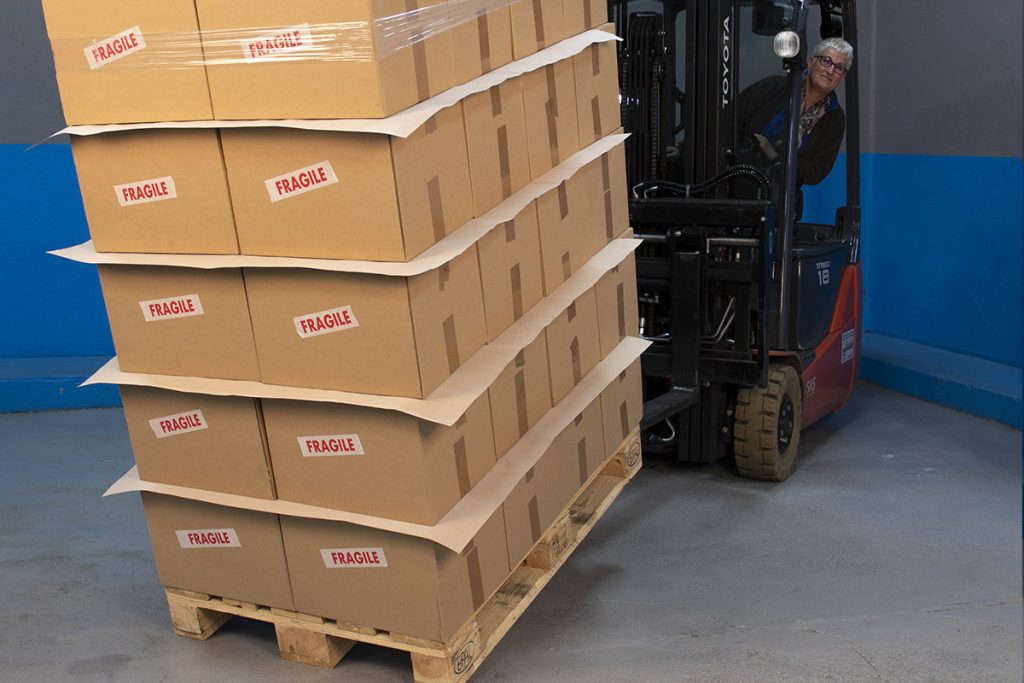
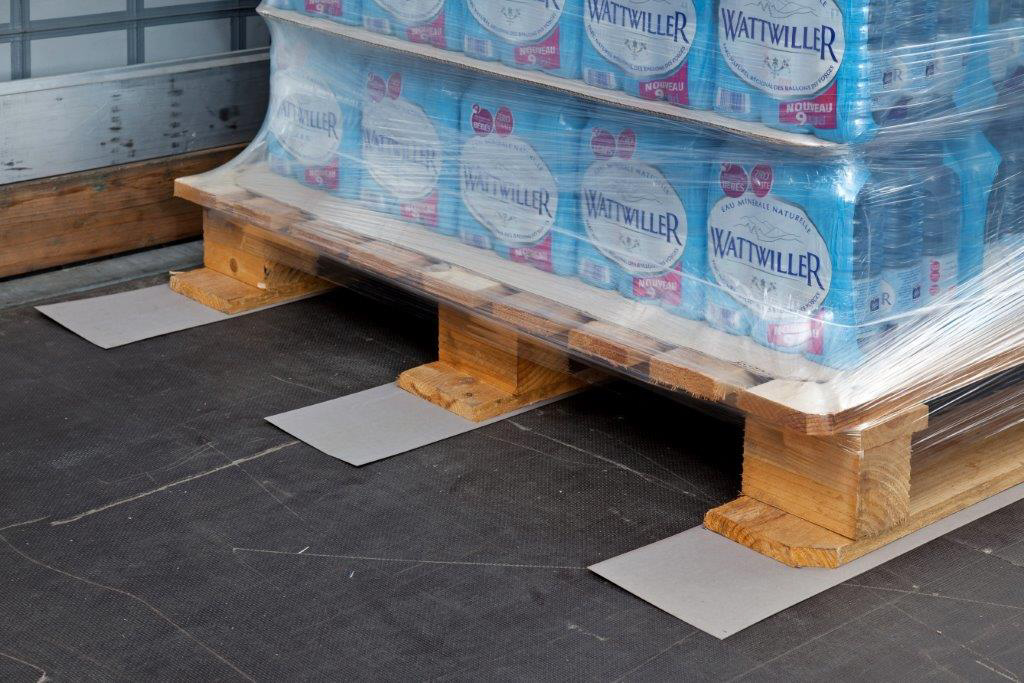
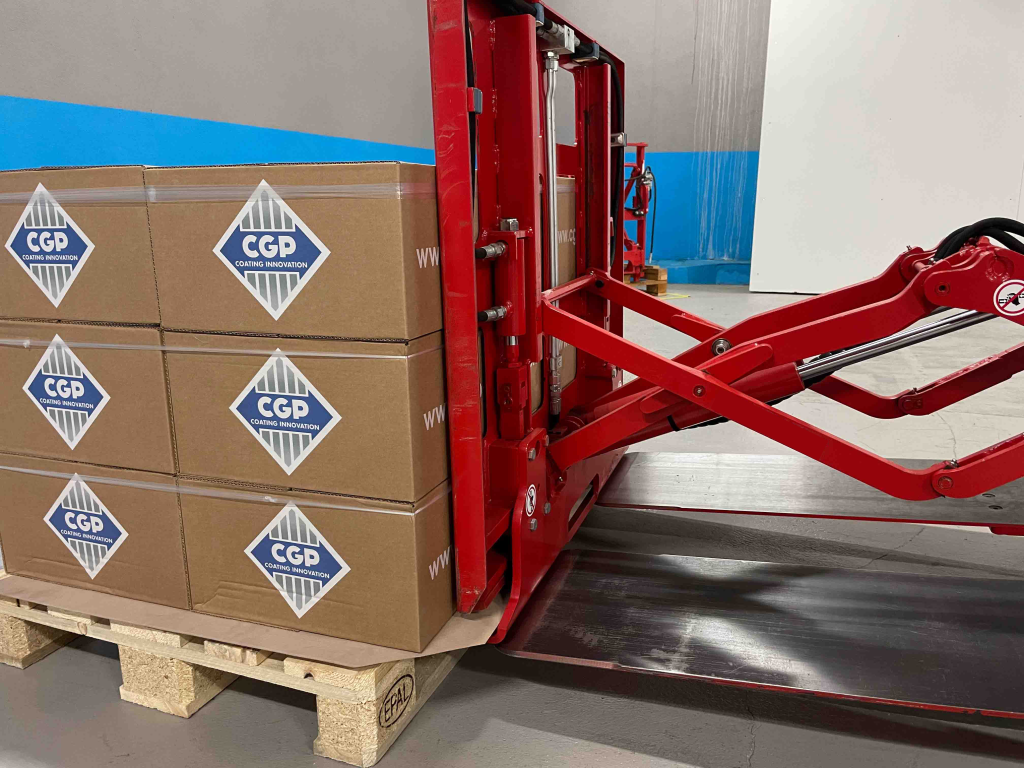
6- Insert non-slip sheets
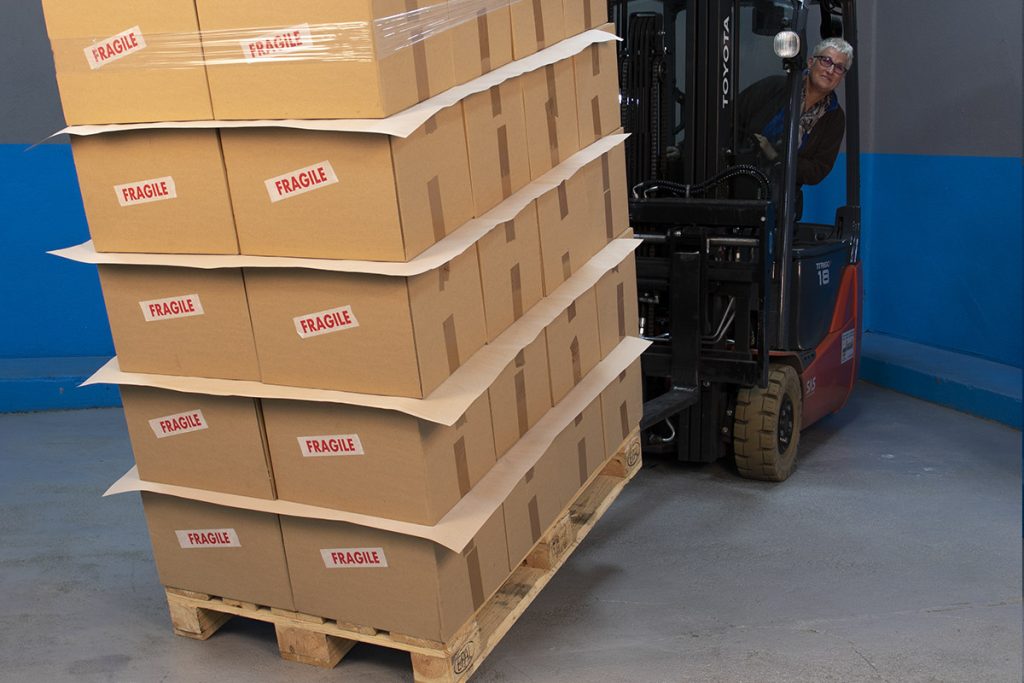
Anti-slip sheets placed between the layers of boxes prevent slipping and increase friction between the products. This contributes to greater stability, especially during transport when vibrations can cause movement.
7- Use palletising straps
Palletising straps are useful for heavy or irregularly shaped loads. They allow products to be firmly attached to the pallet, providing additional stability and reducing the risk of products shifting.

8- Choose high-quality pallets
High-quality pallets are essential to support the total weight of the load. Damaged or poor quality pallets can break or bend, compromising palletising stability. Investing in robust pallets is an important preventive measure.
9- Train your staff
Good staff training is crucial to ensure correct palletising. Employees need to understand stabilisation techniques and best practices for handling pallets safely and efficiently.
10- Inspect pallets regularly
Inspect pallets regularly for signs of deformation or damage. Proactive inspection means that problems can be corrected before they cause accidents or product loss.
Conclusion
Stabilising a column pallet is based on a combination of techniques and good practice. By using quality materials, distributing weight correctly and employing appropriate stabilisation equipment, you can guarantee the safety and reliability of your pallets stacked in columns. Mastering these foolproof techniques not only contributes to the safety of physical flows, but also to optimising flows and customer satisfaction.
By effectively managing order picking, order processing and stock management, you achieve the objective of logistics while improving the overall logistics function. This enables supply chain managers to manage flows more efficiently and ensure long-term flow management, optimised by high-performance information systems. Transform your logistics management for the better and ensure the sustainability of your transport and storage operations.
To find out more about best practice in palletising, discover our product to optimising your logistics and discover tips to boost your efficiency!


Our team will help you find the solution that meets your needs.