















How do you negotiate the price of dividers ?
- Karine Morel
- [wpcode id="48710"]
Table of contents
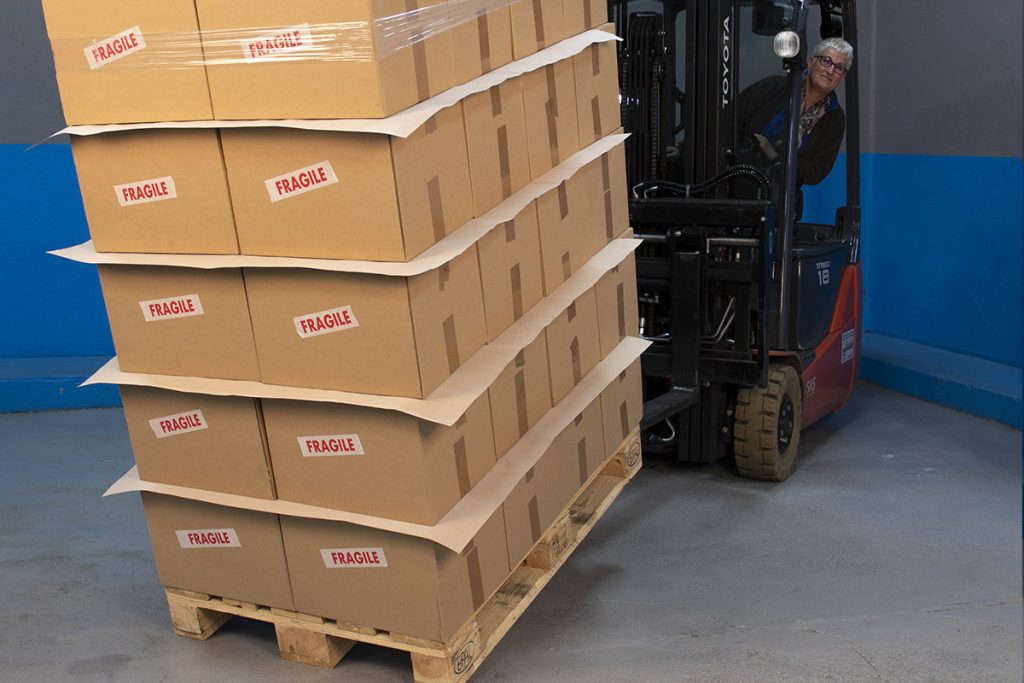
Negotiating the price of pallet spacers is crucial to controlling logistics costs and ensuring the safety of your goods. Although these items may seem insignificant, their cost can quickly add up, especially for companies handling large quantities of products. Good negotiation relies on a clear understanding of your needs, careful evaluation of suppliers and intelligent use of data.
In this article, we’ll guide you through the essential steps for negotiating the price of your leases effectively.
By following these tips, you can make significant savings while maintaining the quality and reliability of your interleaves, and establish lasting, beneficial relationships with your suppliers. Whether you are a small business or a large organisation, these strategies will enable you to optimise your investments and improve the efficiency of your supply chain.
Here’s how to do it :
1- Analysis of your needs
To negotiate properly, it’s crucial to understand your needs precisely.
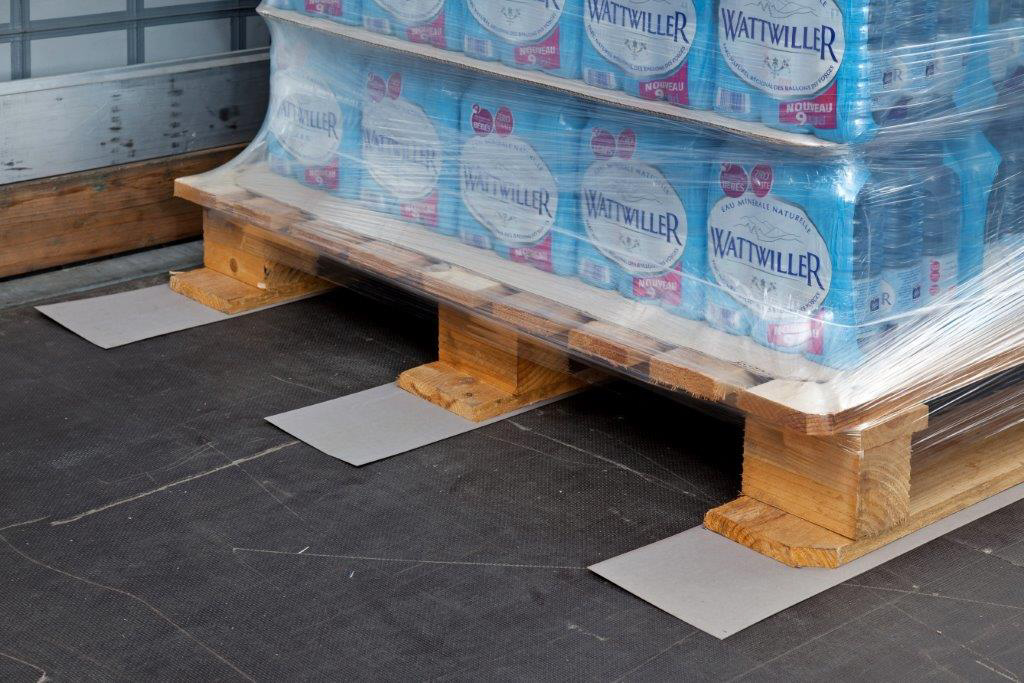
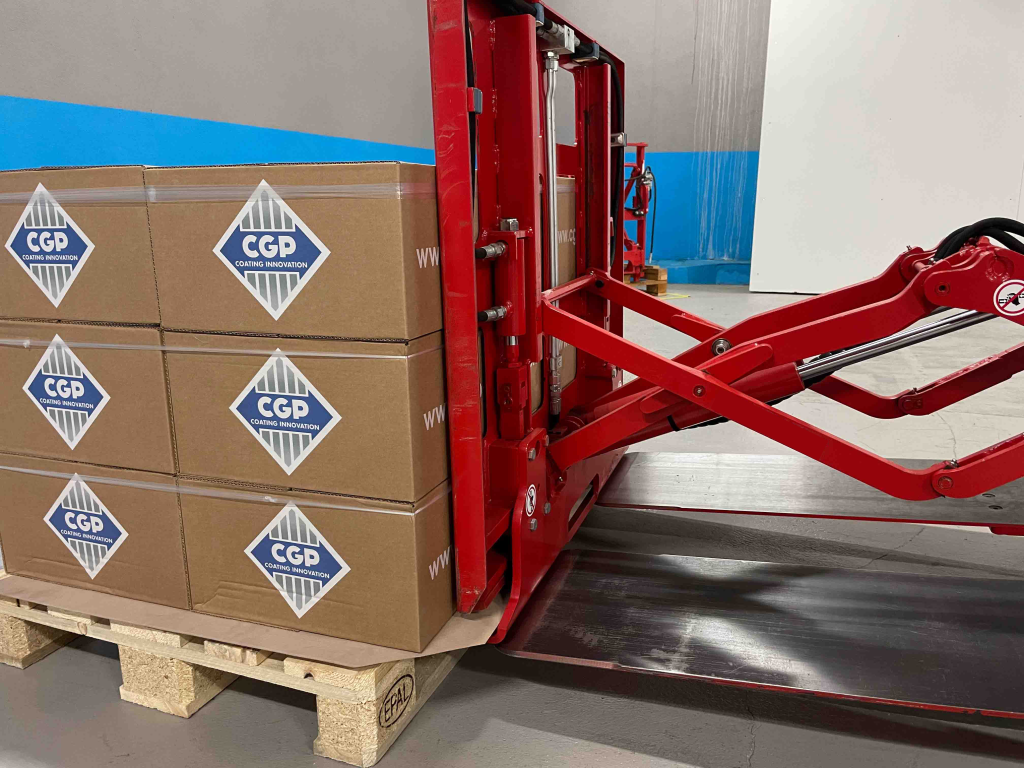
Start by estimating how many dividers you use each month or year. This calculation will give you a clear idea of the quantities you need. Next, identify the types of dividers you need, for example non-slip dividers to prevent goods from slipping, or hydrophobic dividers to protect against moisture.
Don’t forget to determine the exact dimensions and materials required for these dividers. A precise understanding of your needs will help you to argue your case more effectively during negotiations and avoid over- or under-ordering.

2- Search for suppliers
Good supplier research is essential for comparing prices and finding the best deals. Use online searches to find potential suppliers and ask for recommendations from colleagues or other companies in the sector. Make a list of several suppliers and contact them for quotes. The more choice you have, the stronger your bargaining position.
Comparing offers will also enable you to discover suppliers offering similar products at lower prices, giving you more options for negotiating.
3- Request a quote and compare
Ask for detailed quotes from each supplier you contact. Make sure that each quote includes total costs, delivery terms and delivery times. Once you’ve collected several quotes, compare them carefully. Don’t just focus on the unit price, but also on the quality of the products, the additional services offered and the delivery terms.
Use this information to negotiate better terms with your preferred supplier. For example, if a supplier offers better quality but at a slightly higher price, you can use quotes from other suppliers to try and reduce the price.
4- Volume and long-term commitment
Suppliers are often willing to offer discounts for bulk orders or long-term commitments. Offer to order large quantities of dividers or to set up a long-term contract in exchange for price reductions. Discussing planned deliveries can also be advantageous. For example, you can agree to receive dividers on a regular basis over a set period, which ensures a continuous supply and often allows you to benefit from reduced prices.
5- Discussion of payment terms
Payment terms can greatly influence the total cost of your interim financing. Negotiate terms that suit your cash flow, such as staggered or deferred payments.
Some suppliers offer discounts for early payment. If you can pay quickly, ask for a discount in return. You can also discuss supplier credits, which allow you to pay after you’ve received the goods, which can improve your cash flow in the short term.
6- Quality and service assessment
Ensuring the quality of interleaves is essential to avoid additional costs associated with product damage. Before finalising a purchase, ask for samples to check the quality. This will ensure that the dividers meet your requirements and are tailored to your needs.
Also assess the supplier’s customer service. Good customer service and on-time deliveries are crucial to avoid interruptions in your supply chain. Ask questions about their ability to respond quickly to your needs and resolve potential problems.
7- Data-driven trading
Using data and facts to justify your price reduction requests can strengthen your position. Present market data and price comparisons gathered from other suppliers to support your arguments. Explain clearly why you are asking for a price reduction and how this can benefit a long-term relationship with the supplier. For example, show how a price reduction could increase your order volume or retain your company as a regular customer.
8- Use of purchasing technologies and platforms
Online shopping platforms can broaden your choice of suppliers and help you find the best deals. Use these platforms to request quotes and compare offers effectively. You can also take part in buying groups or online auctions. These methods can offer more competitive prices by pooling orders from several companies, thereby increasing your bargaining power.
Conclusion
Negotiating the price of pallet interlayers requires a clear understanding of your needs, thorough research of suppliers and a well-defined negotiation strategy. By following these steps and using the advice provided, you can obtain advantageous terms that reduce your costs while maintaining the quality and reliability of your interlayers.


Our team will help you find the solution that meets your needs.