





















A complete guide to optimising logistics
- Karine Morel
- [wpcode id="48710"]
Table of contents
Logistics management plays an essential role in ensuring a company’s competitiveness and profitability. This guide offers practical advice on how to improve every aspect of your supply chain, from stock management to product distribution.
By applying these strategies, you can increase performance, reduce costs and improve customer satisfaction.
1- Stock management
Real-time inventory
For effective stock management, the use of technologies such as RFID and barcodes is crucial. These tools enable stock movements to be tracked in real time, providing a clear view of stock levels. Implementing an ERP system also helps to centralise information and maintain complete visibility of available stocks.
Demand forecasting methods
Using historical sales data helps to forecast future trends more accurately. Advanced statistical models, such as those based on ARIMA or neural networks, can refine these forecasts and improve planning.
Replenishment techniques
The Just-in-Time (JIT) method reduces stock levels by ordering only what is needed at the right time. It is also important to maintain a safety stock to deal with unforeseen events such as peaks in demand or supplier delays.
2- Warehouse optimisation
Efficient space planning

To optimise space in the warehouse, it is useful to classify products by importance, which makes them easier to store. Using racks and vertical storage systems also helps to maximise the space available.
Use of advanced technologies
Technologies such as Pick-to-Light and Voice Picking speed up picking processes and reduce errors. Drones can be used for stocktaking, while robots facilitate goods handling.
Returns management
Implementing clear and efficient returns processes can reduce costs and improve customer satisfaction. It is also beneficial to create specific areas in the warehouse to handle returns in a quick and organised way.
3- Transport and delivery
Selecting carriers
To choose the best carriers, it is important to evaluate them on the basis of their reliability, cost and speed. Negotiating advantageous contracts with several carriers also helps to obtain the best possible terms and conditions.
Use this information to negotiate better terms with your preferred supplier. For example, if a supplier offers better quality but at a slightly higher price, you can use quotes from other suppliers to try and reduce the price.
Route planning
Using route optimisation software helps to plan the most efficient routes, which can reduce transport costs. Grouping several deliveries on the same route is another way of optimising costs.
Shipment tracking
Implementing GPS tracking systems enables shipments to be monitored in real time. Sending automatic notifications to customers about the status of their delivery also improves their experience.
4- Load stabilisation
Palletising techniques
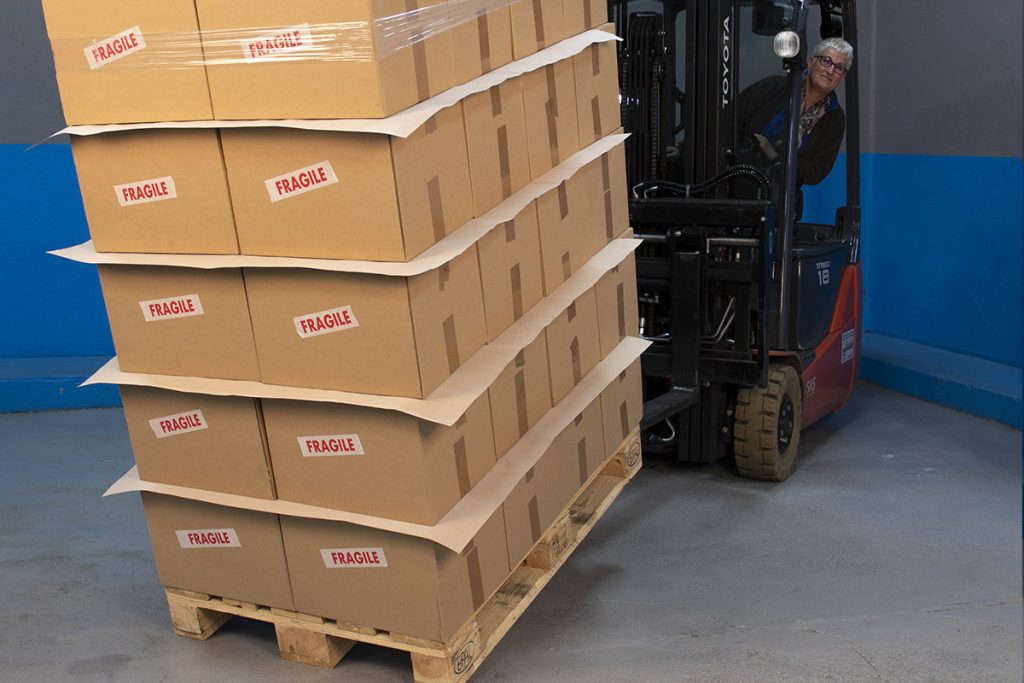
To stabilise loads on pallets, it is advisable to use techniques such as cross and column palletising. These methods ensure greater product stability during transport.
Use of safety materials
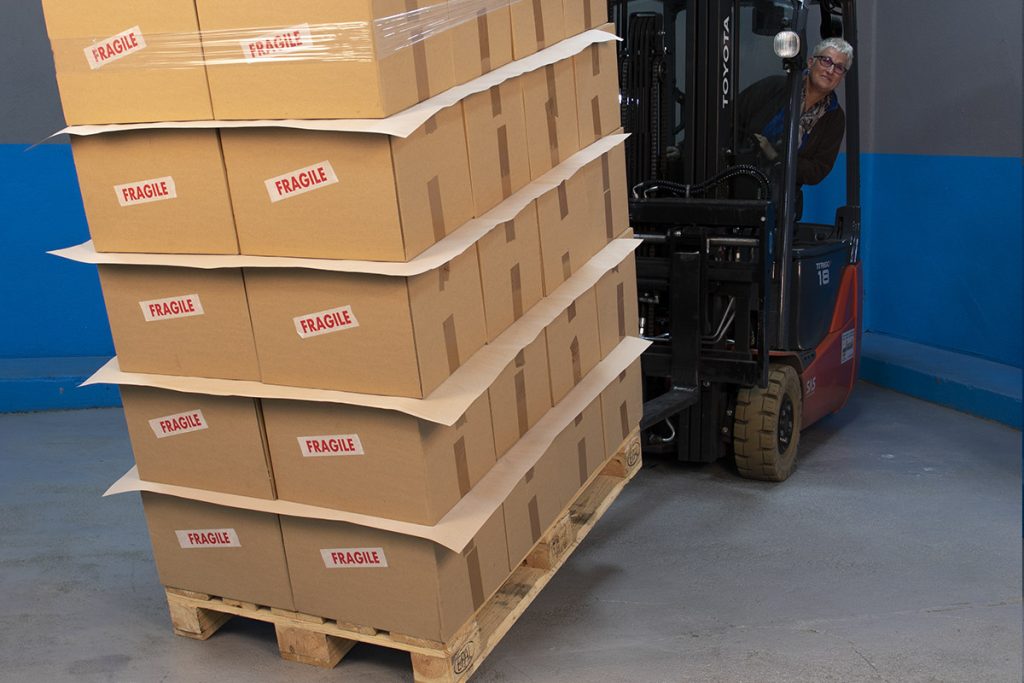
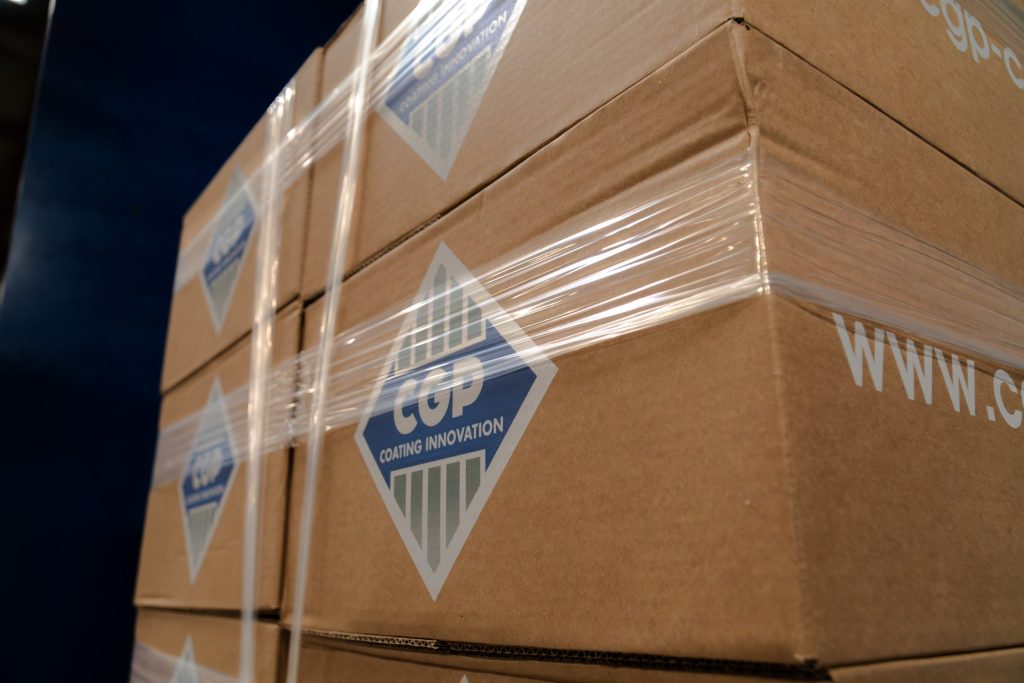
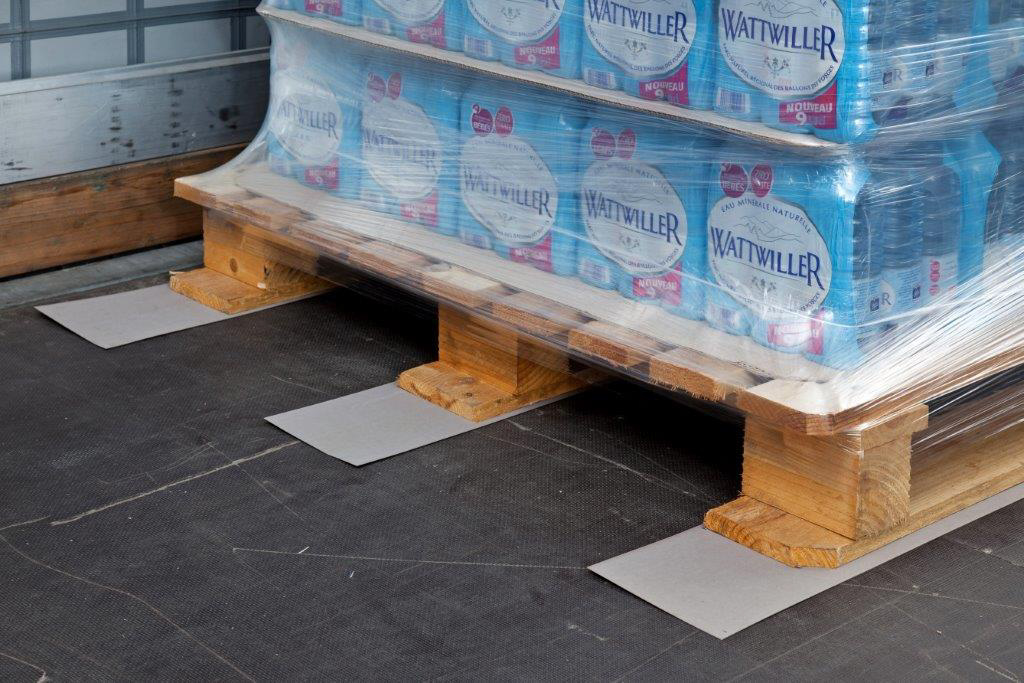
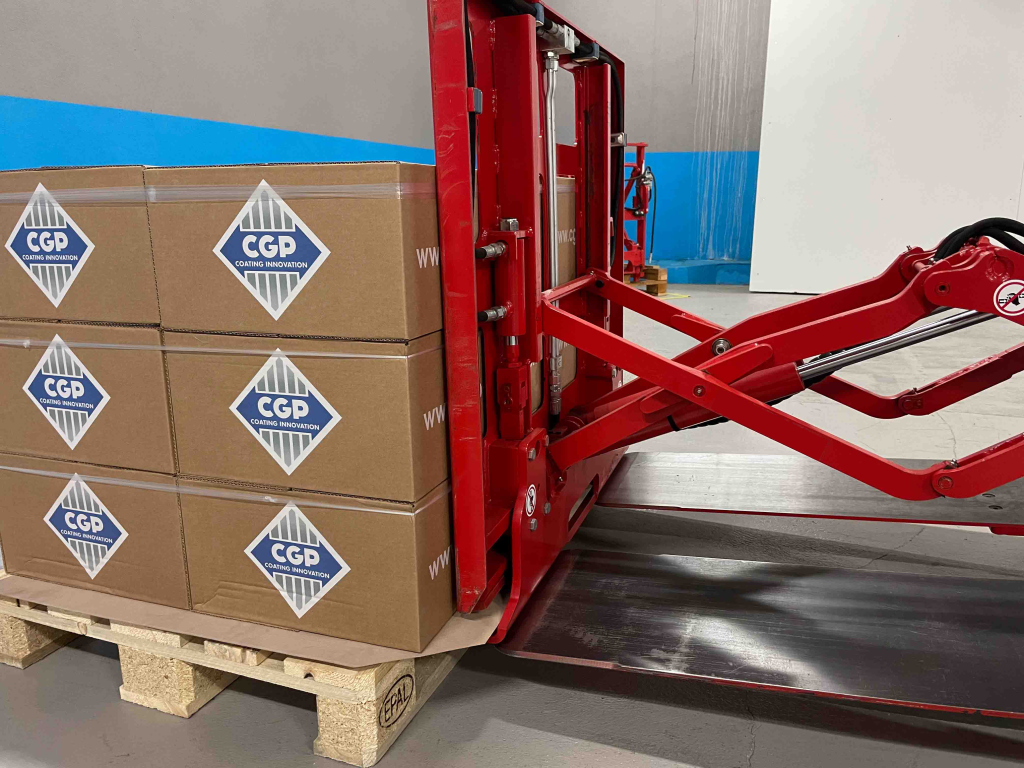
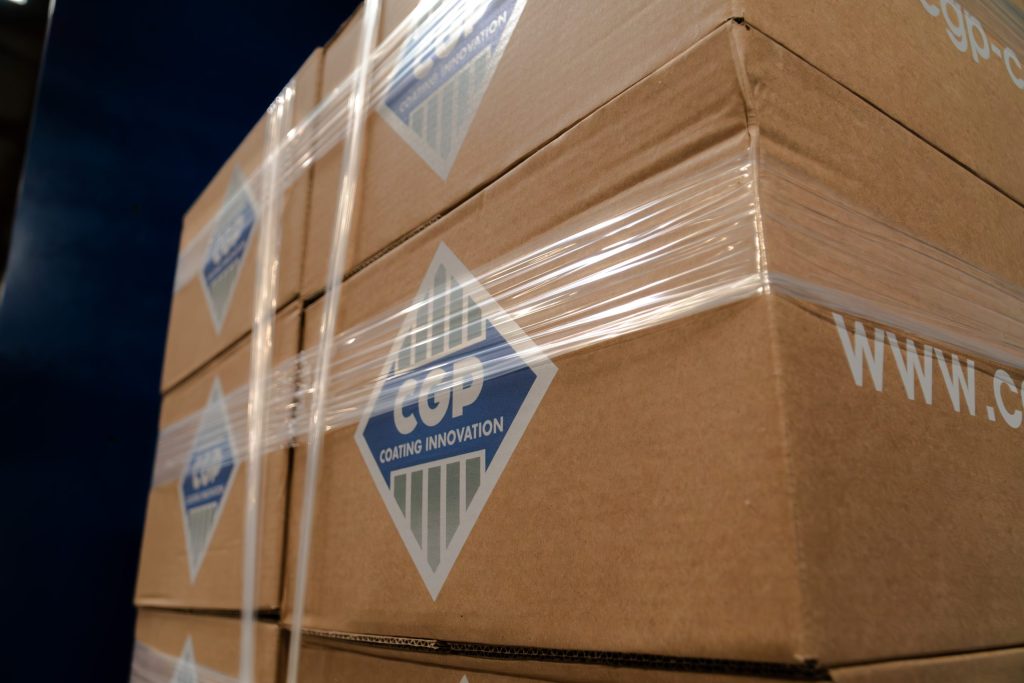
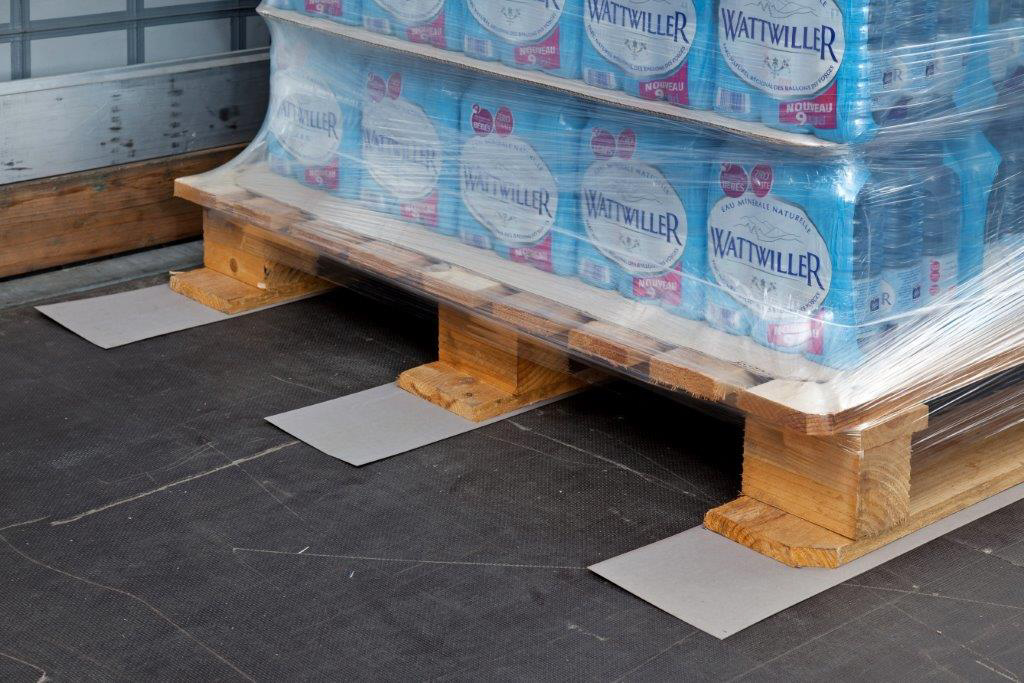
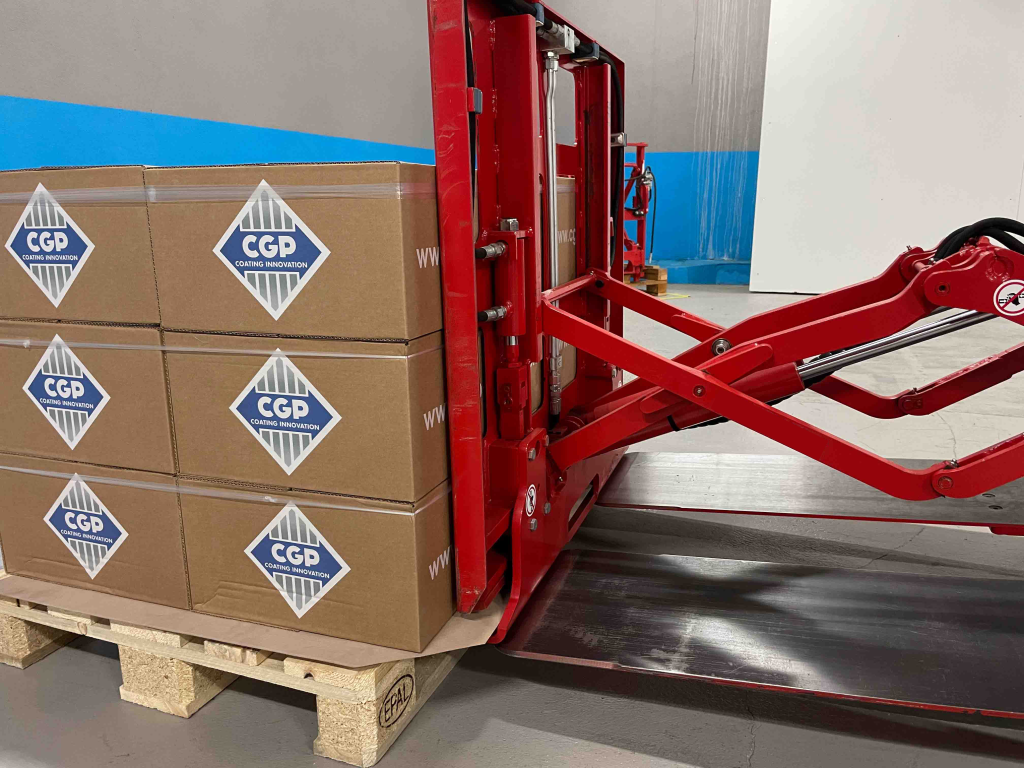
Materials such as stretch film and straps can be used to secure loads on pallets. Anti-slip sheets can also be placed between layers of products to prevent slipping.
5- Logistics technologies
Warehouse management systems (WMS)
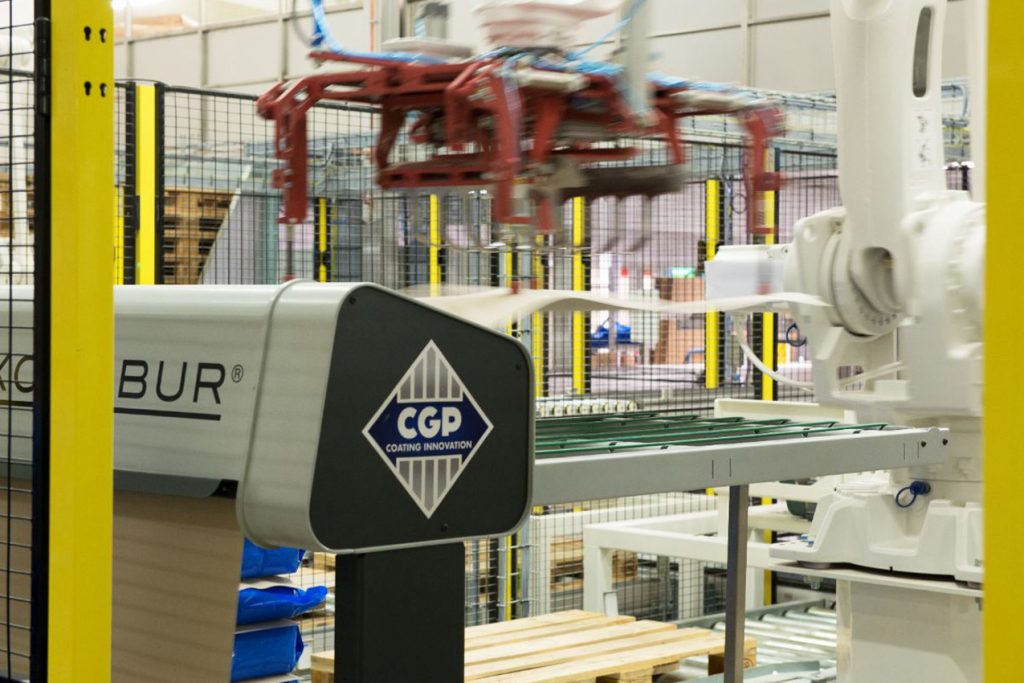
Integrating the WMS system with an ERP system enables operations to be managed seamlessly. Automating the receiving, picking and dispatch processes also increases warehouse efficiency.
Traceability solutions
IoT sensors can be used to monitor the environmental conditions of sensitive goods. By adopting blockchain, transparent and secure product traceability can be guaranteed.
Automation and robotics
Storage robots and automated guided vehicles (AGVs) are useful tools for moving and storing goods more efficiently.

6- Supply chain management
Working with suppliers
Maintaining open and regular communication with suppliers is essential to avoid misunderstandings. Using collaborative portals also enables information and forecasts to be shared efficiently.
Risk management
Identifying and assessing potential risks in the supply chain is crucial. By developing contingency plans, you can deal with potential interruptions and minimise their impact.
7- Sustainability and ecology
Green logistics
Adopting green logistics practices helps to reduce the carbon footprint of your operations. Using recyclable and sustainable packaging materials is also an important step in minimising environmental impact.
Conclusion
Optimising logistics is an ongoing, dynamic journey that requires constant vigilance and proactive adaptation to technological developments and industry best practice. Every link in the logistics chain, from storage to distribution, plays a crucial role in a company’s overall efficiency.
By implementing the strategies and advice provided in this guide, you can not only improve operational performance and reduce costs, but also strengthen your competitiveness in the marketplace. Modern technologies and innovative approaches such as automation, real-time management and sustainable practices are no longer options, but necessities for success. Integrating these practices will help you create a more agile, responsive and efficient supply chain, capable of responding to the challenges and opportunities of an ever-changing marketplace.
Ultimately, optimised logistics management doesn’t just improve internal operations; it also contributes to improved customer satisfaction, reduced lead times and increased profitability. Adopt these tips to transform your supply chain into a true strategic asset, capable of supporting your company’s long-term growth and success.
For further advice and practical tools, download our free ebook on logistics optimisation!


Our team will help you find the solution that meets your needs.