


























Practical guide: standards for securing Big Bags
- Karine Morel
- [wpcode id="48710"]
Table of content
Securing big bags (Flexible Intermediate Bulk Containers or FIBCs) is crucial to ensuring safety and stability during transport and storage. Here is an overview of the main standards and directives governing the securing of a wide range of big bags
1- European standard EN 12195-1
Standard EN 12195-1 specifies the requirements for calculating the securing forces needed to lash loads. It covers the use of various lashing devices such as straps, chains and ropes. Calculating lashing forces is essential to determine the forces required to hold loads in place, taking into account acceleration, braking and lateral forces. In addition, the lashing equipment must be adapted to the specific loads and transport conditions.
2- Directive 2014/47/EU on Roadworthiness Tests for Commercial Vehicles
European Directive 2014/47/EU lays down rules for technical inspections of commercial vehicles, including the securing of loads such as big bags. It stipulates that vehicles carrying big bags must be inspected to ensure that the loads are properly secured. Securing must comply with EN 12195-1 and other relevant standards to ensure safety and stability during transport.
3- Code of Practice for Packing of Cargo Transport Units (CTU Code)
The CTU Code provides detailed guidelines for loading, stowing and securing cargo transport units, including big bags. It includes specific recommendations for securing big bags, focusing on the safety and stability of loads during sea, rail and road transport.
4- ISO standards
ISO 21898:2004 - Packaging - Flexible Intermediate Bulk Containers (FIBC) for Non-dangerous Goods
This standard specifies the requirements for the design, manufacture and testing of FIBC’s intended for transporting non-hazardous materials. Its aim is to ensure the quality and safety of big bags used for lashing.
ISO 1161:2016 - Series 1 Freight Containers – Corner and Intermediate Fittings – Specification
Although primarily focused on cargo container securing equipment, ISO 1161 also applies to the securing of big bags in containers, defining technical specifications for securing and load handling equipment.
5- Best Practices for Securing Big Bags
To ensure effective securing of big bags, the following best practices are recommended
Use of appropriate pallets and supports
Use pallets that are the right size and in good condition. Place the big bags symmetrically and centre them on the pallet to ensure even weight distribution.

Application of anti-slip sheets

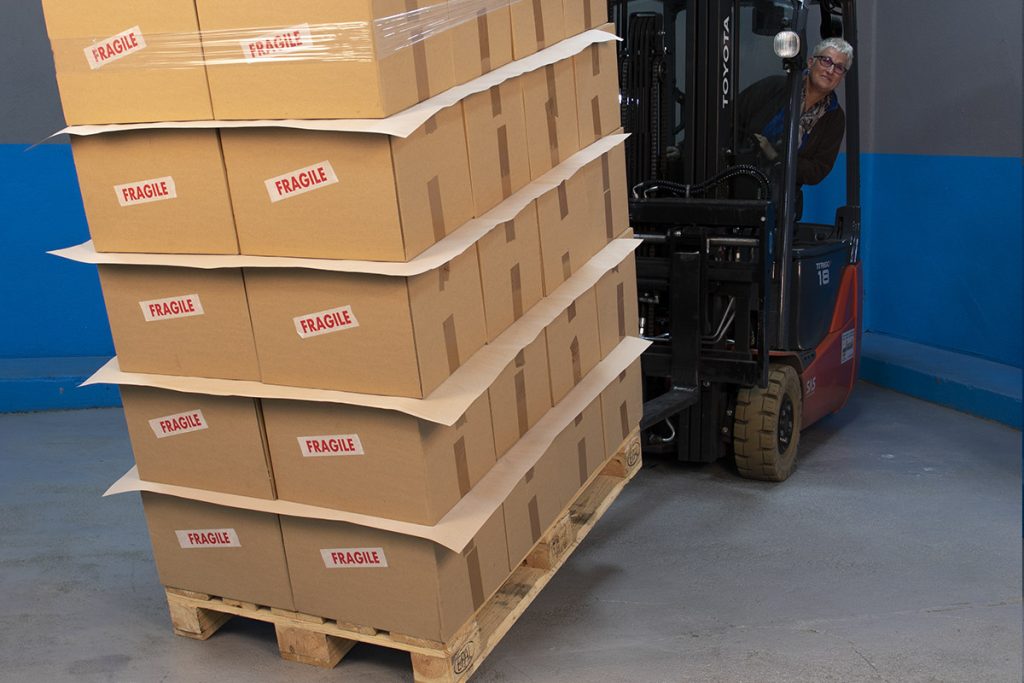
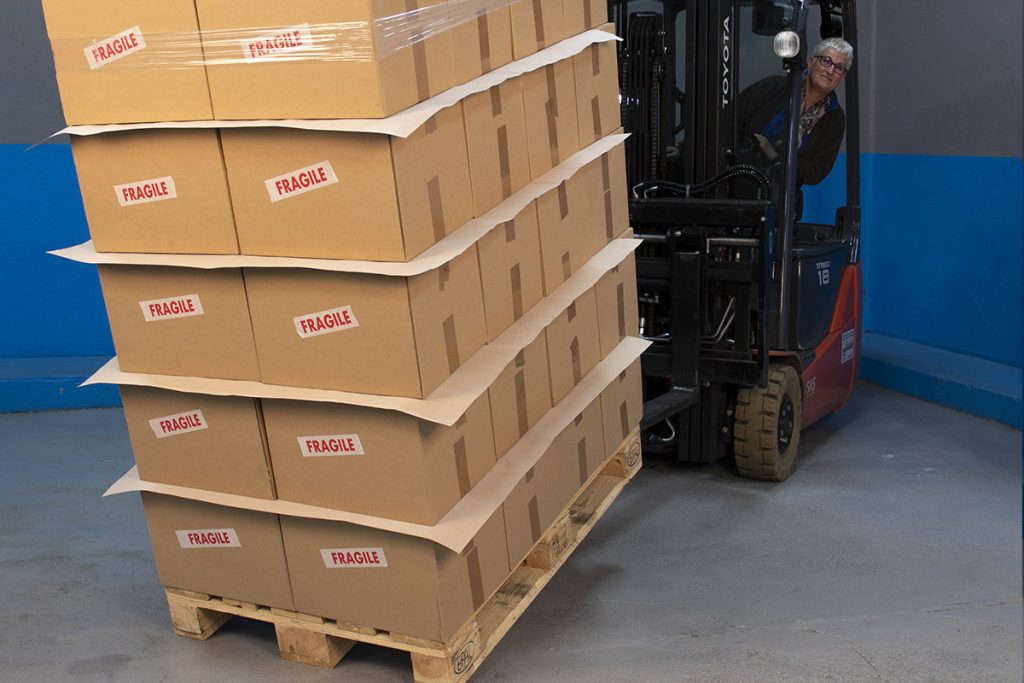
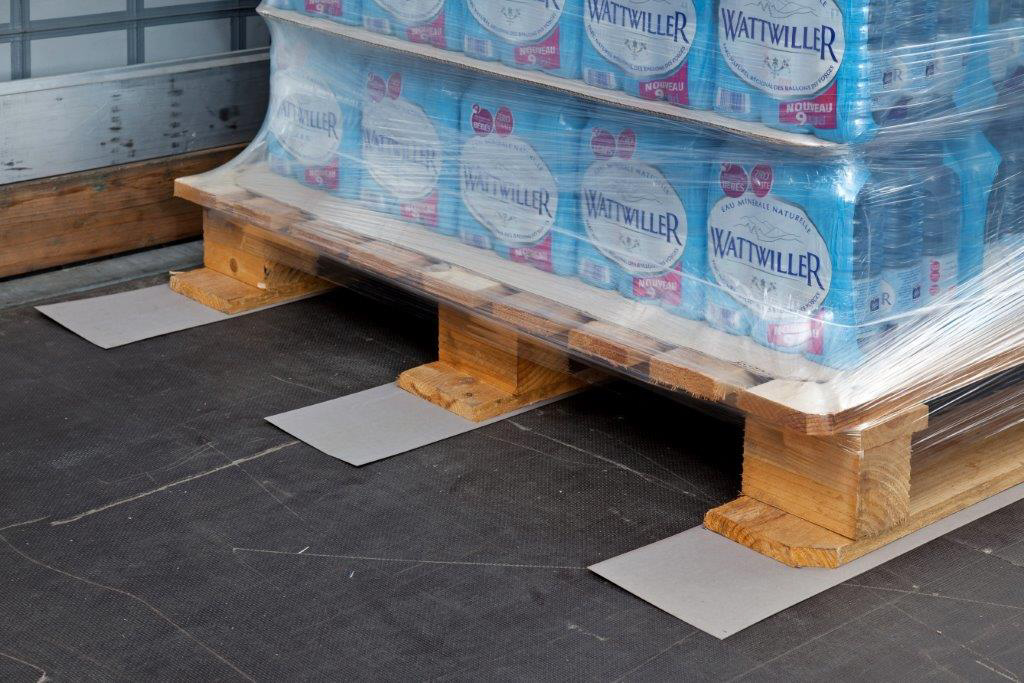
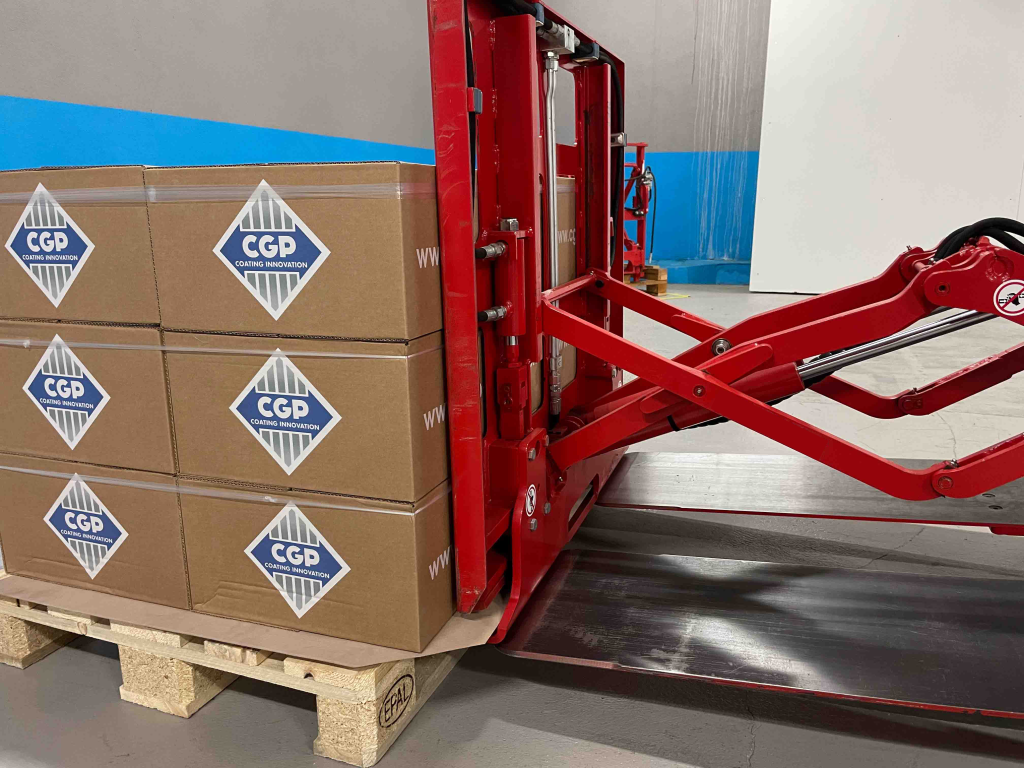
To increase friction and prevent slipping, place anti-slip sheets between the big bags and the pallet.
Use of Strapping
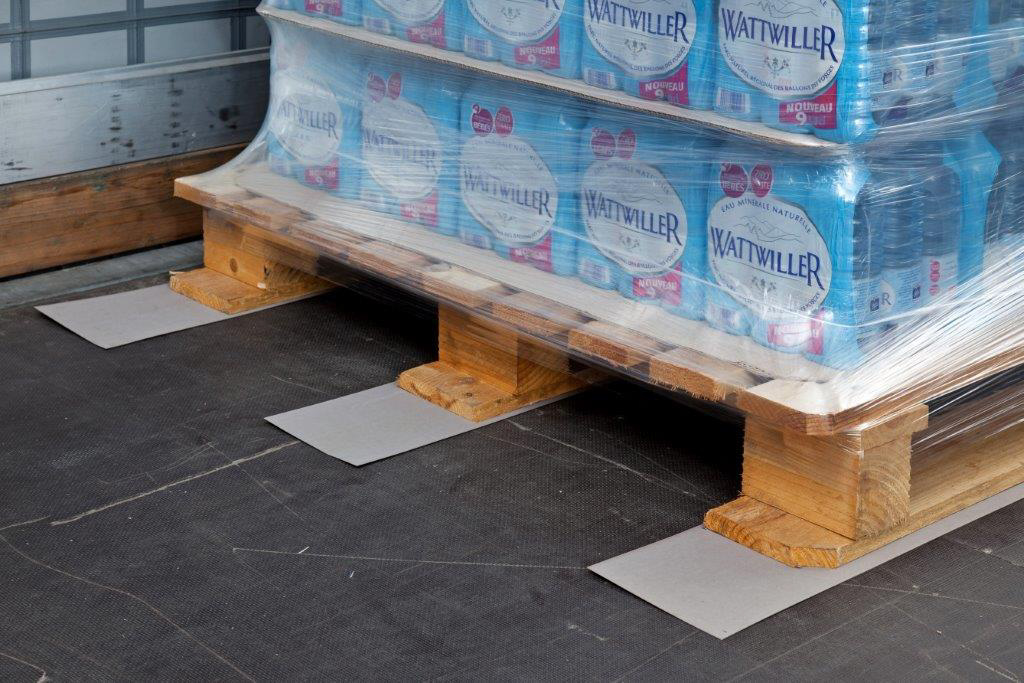
Use polyester or plastic strapping to secure the big bags to the pallet. Use lashing straps to secure them to the vehicle’s anchor points.
Application of Stretch Film or Shrink Covers
Wrap big bags in stretch film or use shrink-wraps for extra protection against the elements and added stability.
Regular Inspection and Maintenance
Regularly inspect the condition of big bags, pallets and lashings. Immediately replace any damaged or worn equipment to maintain safety during transport.
Employee training
Train employees in best lashing practices and the requirements of current standards. Make them aware of the risks associated with poor load stabilisation to avoid accidents and material damage.
Conclusion
Big bag securing must be carried out in strict compliance with international standards such as EN 12195-1, Directive 2014/47/EU, the CTU Code and relevant ISO standards. By following these standards and applying recommended best practice, companies can ensure the safe and efficient handling of big bags, minimising the risks associated with transporting and storing bulk loads.


Our team will help you find the solution that meets your needs.