














Optimising stacking and transport: cross-palletising vs. columnar palletising
- Karine Morel
- [wpcode id="48710"]
Table of content
The management of storage and transportation of goods often relies on the use of pallets. These tools make it possible to group, stabilize, and move products safely. To optimize transportation, it is crucial to create a palletizing plan that is adapted to logistical requirements. Two main techniques stand out: interlocked palletizing, which enhances stability, and column stacking, which maximizes vertical space.
Each method has unique characteristics. These characteristics can significantly affect load stability, space utilization efficiency, and implementation speed.
Understanding these two approaches is essential for optimizing logistics processes and ensuring the safety of goods during transportation.
This article presents methods for choosing the best logistics solution and optimizing the efficiency of your supply chain. It will help you find the solution best suited to your needs. It will enable you to improve the management of your supply chain.
1- Interlocked Palletizing

Interlocked palletizing consists of changing the orientation of product layers on a pallet, with each layer positioned perpendicular to the previous one.
This method provides greater stability thanks to the alternating orientations, reducing the risk of tipping during transportation. It ensures even weight distribution and strength suitable for different types of products, allowing for greater flexibility.
Interlocked palletizing is more complex. It requires more time and attention to ensure that each layer is correctly positioned. This technique can sometimes be less efficient in terms of space utilization, leaving gaps between products.
2- Column Stacking Palletizing
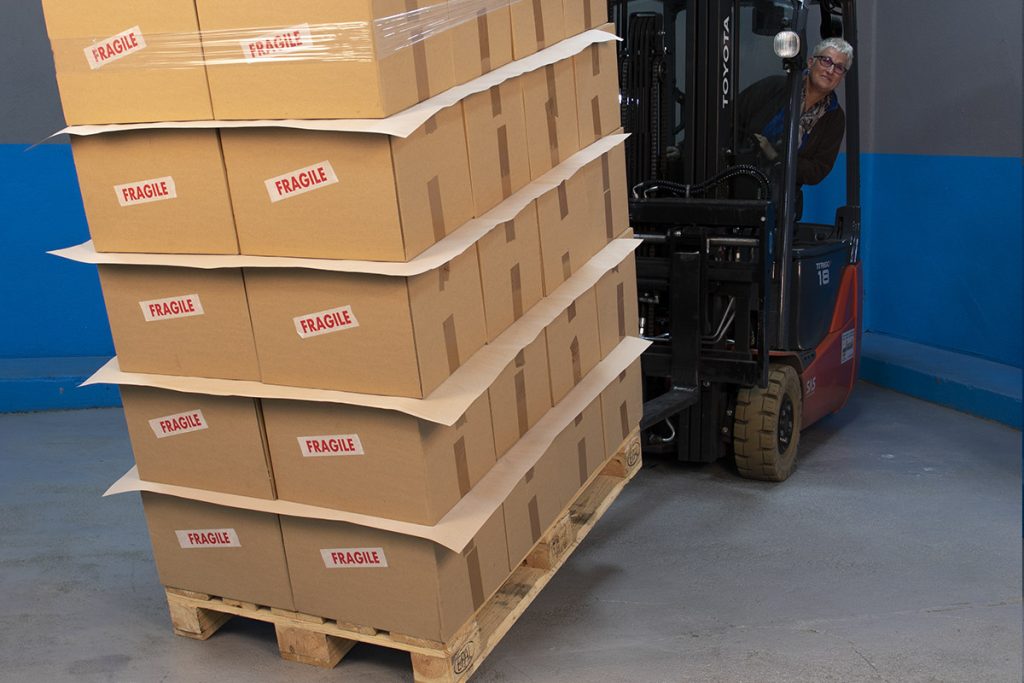
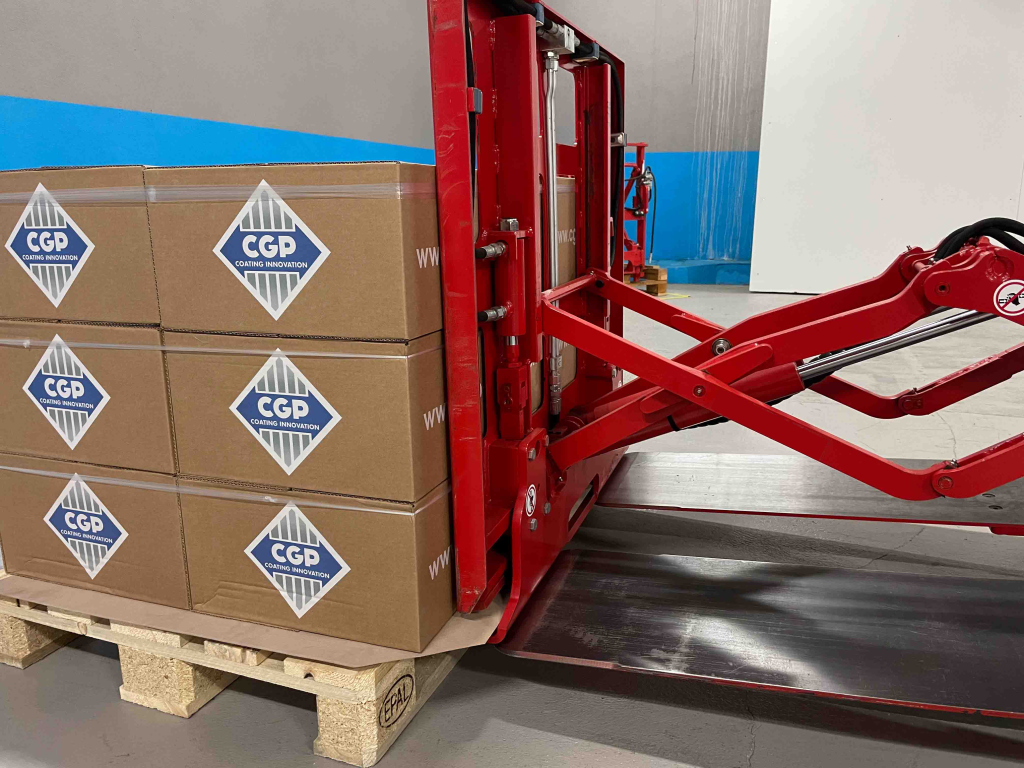
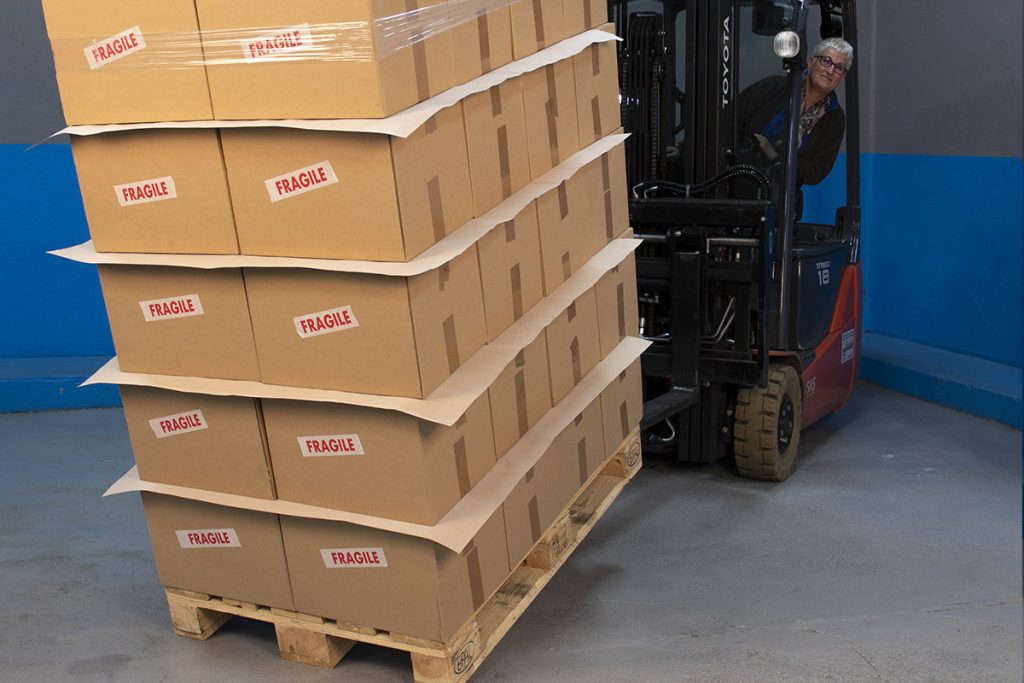
Column stacking palletizing consists of placing products directly on top of one another in columns while maintaining the same orientation.

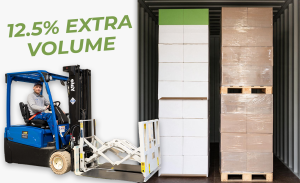
This method is simple and quick to implement, which can speed up the palletizing process. It also maximizes the use of available pallet space, allowing a greater number of products to be placed on the pallet. In addition, it is ideal for uniform products with regular shapes, ensuring a neat and organized stacking arrangement.
The column stacking method is less stable than the interlocked method. This is particularly true for tall pallets or products with irregular shapes. If one column becomes unbalanced, it can compromise the entire pallet, increasing the risk of tipping.
3- Comparison of the Methods
In terms of stability, interlocked palletizing generally provides better safety than column stacking.
This method reduces the risk of tipping by alternating the orientation of layers, which is particularly useful for products with varied or irregular shapes.
On the other hand, column stacking palletizing, although less stable, stands out for its simplicity and speed of implementation. This time saving reduces the effort required during the palletizing process.
Regarding space utilization, column stacking palletizing is more efficient. It allows maximum use of the pallet surface and reduces empty spaces between products. Conversely, interlocked palletizing can sometimes leave unused spaces due to variations in layer orientation.
In summary, interlocked palletizing is particularly suitable for products with varied shapes, offering greater flexibility and stability. Column stacking, meanwhile, is better suited to products with regular and uniform shapes. It optimizes available space and facilitates faster implementation.
4- Choosing the Right Method
The choice between these two techniques depends on several factors. The shape, size, and weight of the products play a crucial role in selecting the appropriate palletizing method. Transportation conditions, such as handling frequency and the level of stability required during transit, can also influence the choice between the two methods.
In addition, priorities regarding stability, speed, and space utilization efficiency must be taken into account. It is important to consider the nature of the products, whether they are fragile, perishable, or robust. Company-specific logistical constraints, such as delivery deadlines, handling costs, and storage requirements, also play an important role.
Finally, it is crucial to assess the potential risks associated with each method, such as pallet tipping or product damage, in order to ensure complete optimization of logistics operations.
Conclusion
Interlocked palletizing makes pallets more stable. Column stacking palletizing is quick to implement and optimizes the available space. The choice of the most suitable method depends on the mode of transportation, the specific characteristics of the cargo, and the company’s logistical priorities.
To choose the best palletizing method, products, transportation conditions, and logistical objectives must be carefully analyzed. By examining these factors in detail, it is possible to ensure optimal logistics management and a more efficient supply chain. This guarantees the safety and stability of goods throughout the logistics process. The right palletizing choice can significantly improve a company’s performance and profitability.
Going Further
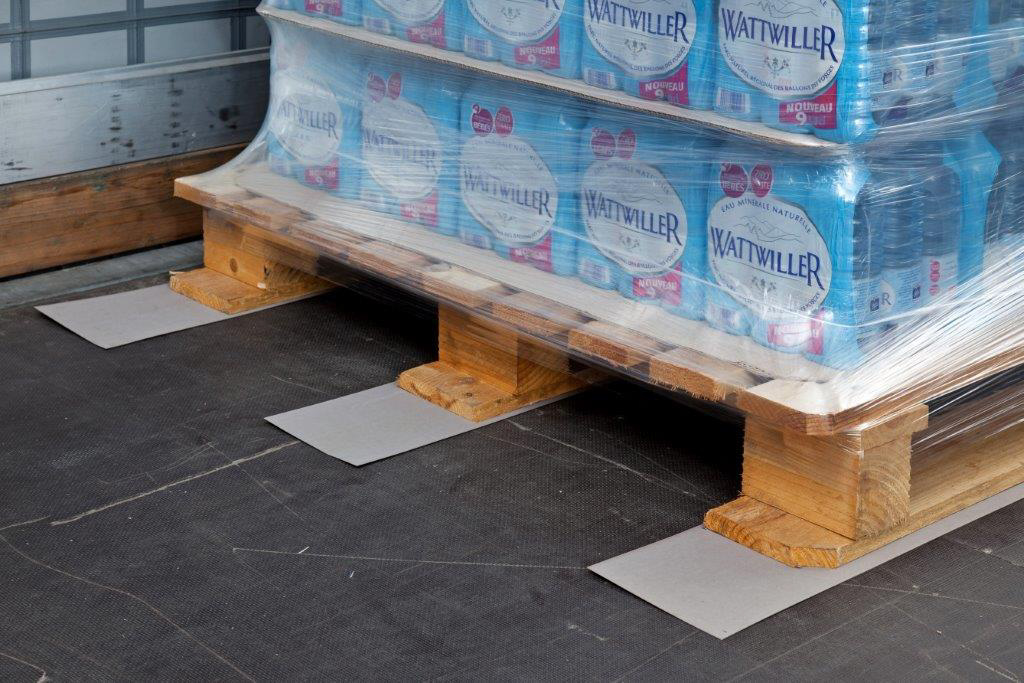
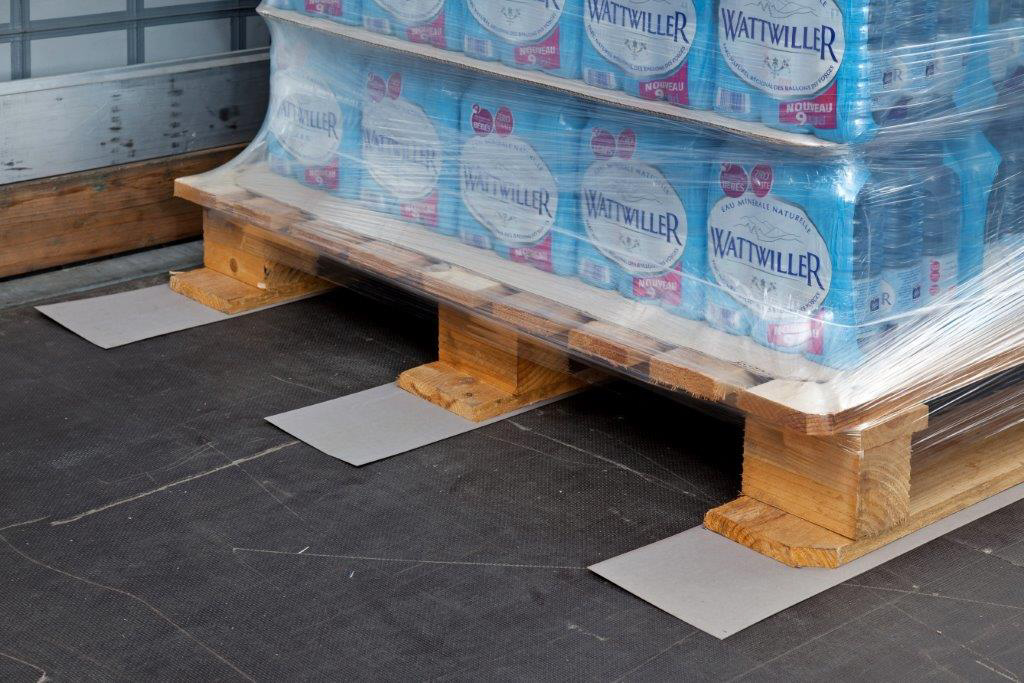
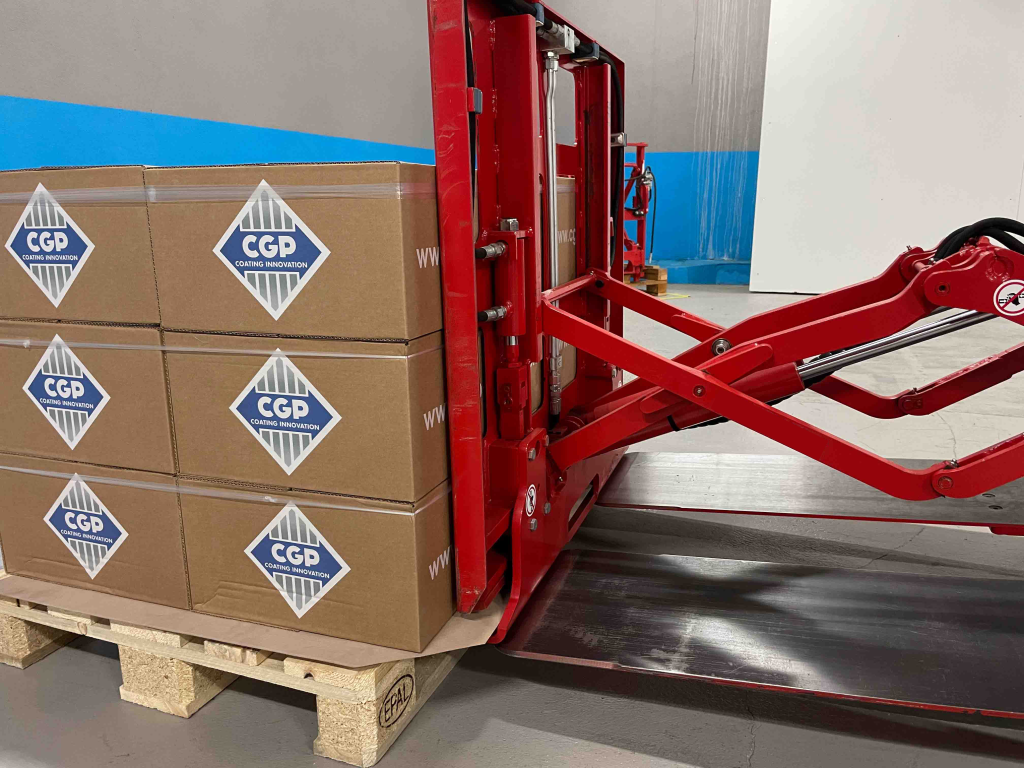
To overcome the main drawback of the column stacking palletizing plan, namely its lower stability, the use of anti-slip pallet sheets such as STABULONⓇ significantly improves load safety. These innovative sheets are specifically designed to prevent products from sliding during transportation, ensuring perfect adhesion between product layers, even within a column stacking palletizing plan.
This solution allows companies to benefit from the speed and space optimization advantages offered by this method while ensuring the stability required to prevent tipping and damage. The adoption of these pallet sheets represents a major advancement for companies seeking to optimize material handling, secure their goods, and improve the efficiency of their logistics chain.


Our team will help you find the solution that best meets your needs.