















Ribbed paper or plain paper
- Karine Morel
- [wpcode id="48710"]
Table of content
When appearance changes… but not performance
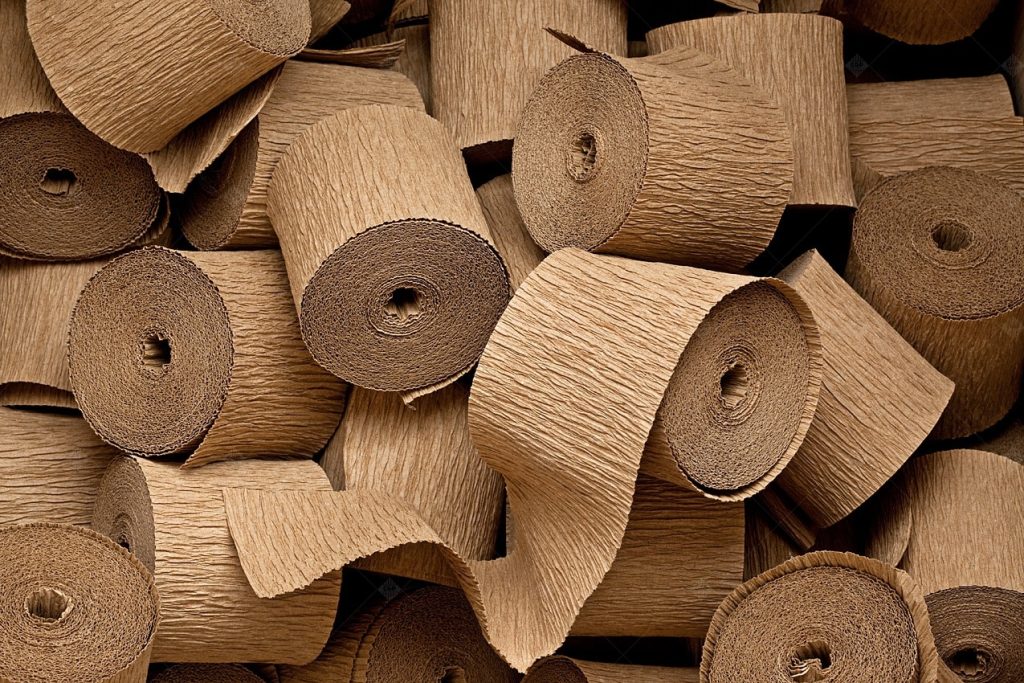
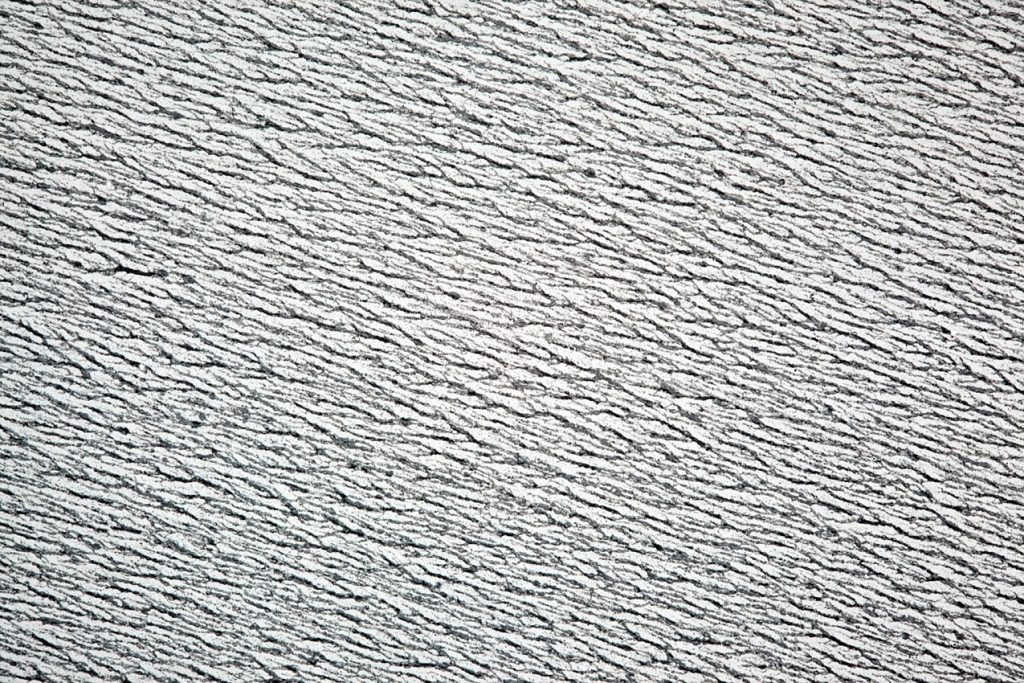
In the world of packaging paper, some details immediately catch the eye. This is the case with ribbed paper, recognizable by its fine parallel lines, and plain paper, known for its smooth and uniform surface.
For many users of kraft packaging paper, this change in appearance raises a legitimate question: does the strength or quality of the paper change? In reality, the answer is simple: no. To understand why, we need to look at the very heart of the papermaking process.
1- A common question about ribbed paper and plain paper
When a customer discovers ribbed kraft paper or plain kraft paper for the first time, the reaction is often the same:
“Is the paper still as strong?”
This question is natural, as appearance strongly influences how we perceive materials. A textured surface may seem more robust, while a smooth paper may appear thinner, even when the kraft packaging paper has the same grammage and internal structure.
In most cases, however, the difference between ribbed paper and plain paper is purely visual.
2- Ribbed paper and plain paper: inside the paper machine
To understand where this difference comes from, it helps to imagine the journey of the sheet on a paper machine.
After sheet formation and before complete drying, the paper passes through sections where it is pressed and transported by technical felts. These felts play an essential role: they absorb water and help carry the sheet of kraft packaging paper through the machine.
But they can also influence the surface appearance.


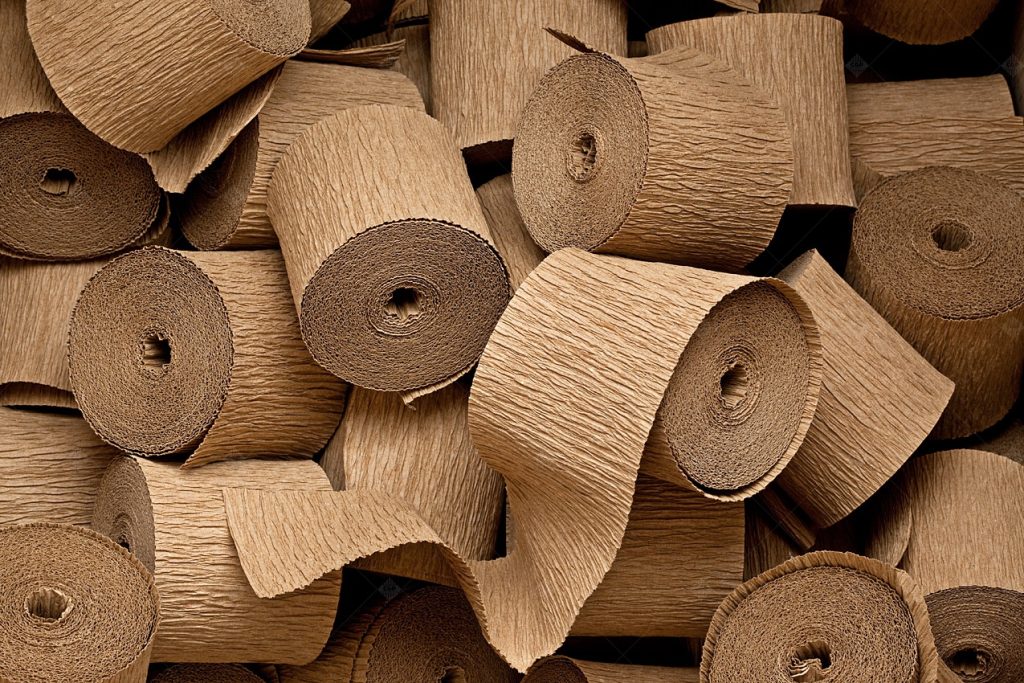
A ribbed felt has a structure capable of transferring a very light pattern onto the surface of the paper. This subtle imprint creates the characteristic appearance of ribbed kraft paper, with its fine parallel lines.
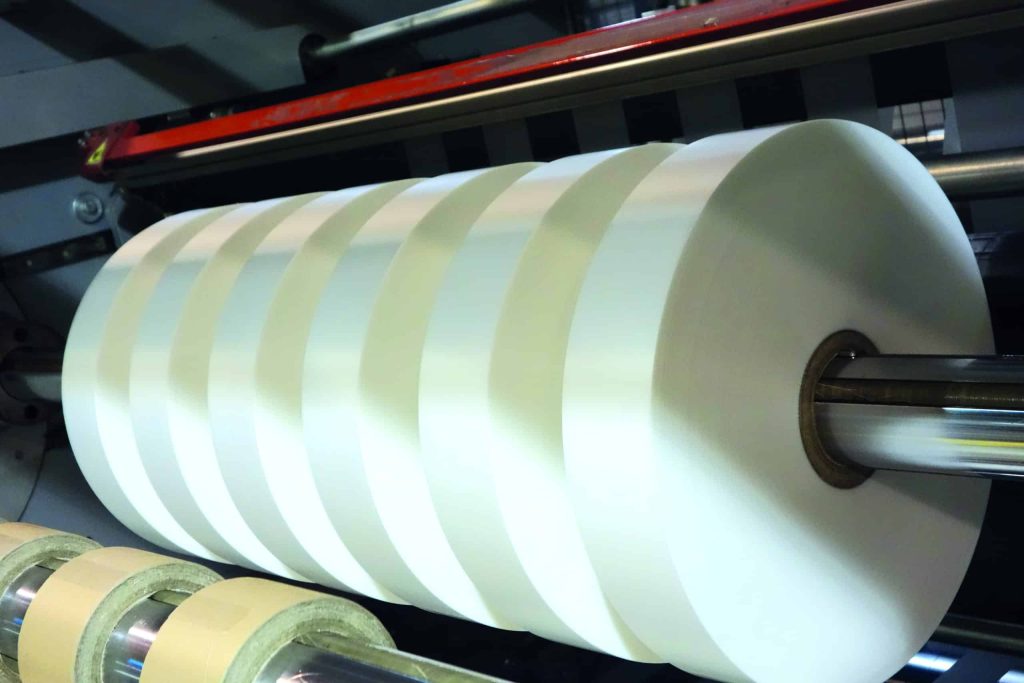
By contrast, a plain felt has a uniform surface that leaves no visible imprint. The resulting paper is perfectly smooth and homogeneous: this is plain kraft paper.
In both cases, the internal fiber structure, grammage, and mechanical properties of the packaging paper remain unchanged.
3- Packaging paper strength and performance: what really matters
What truly determines the strength of kraft packaging paper is :
- fiber composition
- grammage
- treatments or coatings
- manufacturing and converting conditions
Surface finish, whether ribbed paper or plain paper, has no significant impact on these parameters.
A plain kraft paper is therefore not less resistant than a ribbed kraft paper; it simply looks and feels different.
4- Ribbed kraft paper or plain kraft paper: a matter of image and positioning
If the difference is not technical, why offer both finishes in kraft packaging paper?
The answer lies in the growing importance of appearance in packaging and product communication.
Ribbed kraft paper often conveys:
- tradition
- authenticity
- craftsmanship
Plain kraft paper more often suggests:
- modernity
- simplicity
- visual clarity and uniformity
The choice therefore depends on brand positioning, visual identity, and printing requirements on packaging paper.
5- Key takeaways about ribbed paper and plain paper
Switching from ribbed paper to plain paper does not mean changing quality or performance.
It simply reflects a change in appearance, linked to the felt used during the papermaking process.
In other words, the structure of the kraft packaging paper remains the same; only texture and visual perception evolve. This change allows manufacturers to adapt the appearance of the paper to market expectations while preserving exactly the same technical properties.


Our team will help you find the solution that meets your needs.