













Pallet Layer Sheets or Palletizing Adhesive: Which Solution Should You Choose?
- Karine Morel
- [wpcode id="48710"]
Table of content
The stability of palletized loads is a major concern for manufacturers, logistics providers and distribution centers. An unstable pallet can lead to product damage, handling accidents, rejected deliveries and disruptions in automated storage and depalletizing systems.
Several technologies are available to secure loads. Among the most widely used are anti-slip pallet layer sheets and palletizing adhesive. Although they pursue the same objective, limiting product movement on the pallet, their operating principles, constraints and application areas differ significantly.
1- Pallet Layer Sheets: Stabilization Through Increased Friction
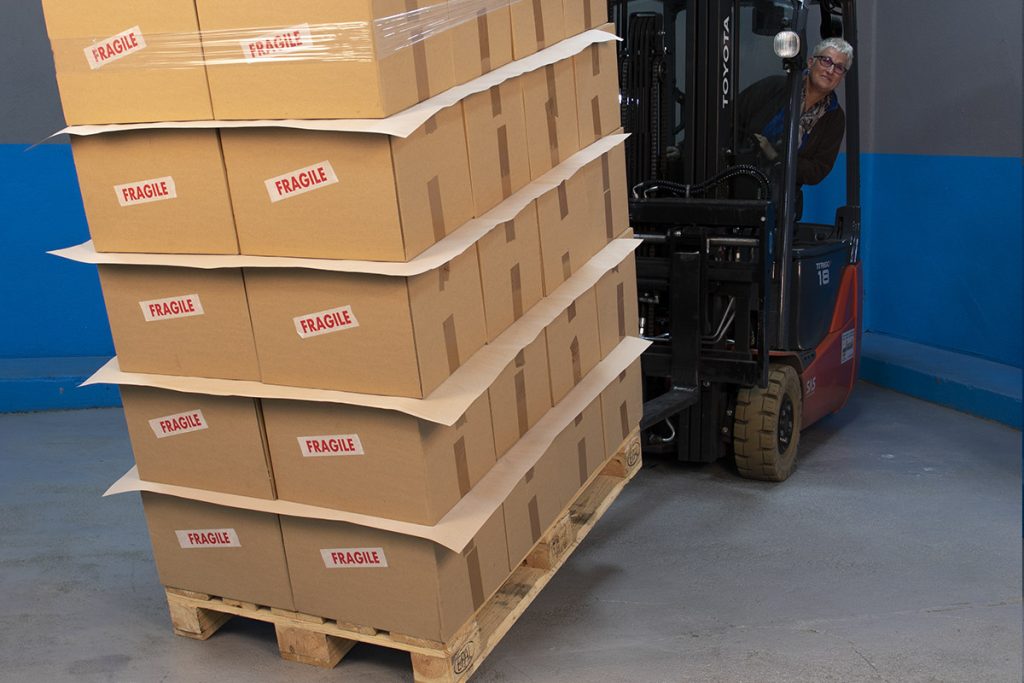
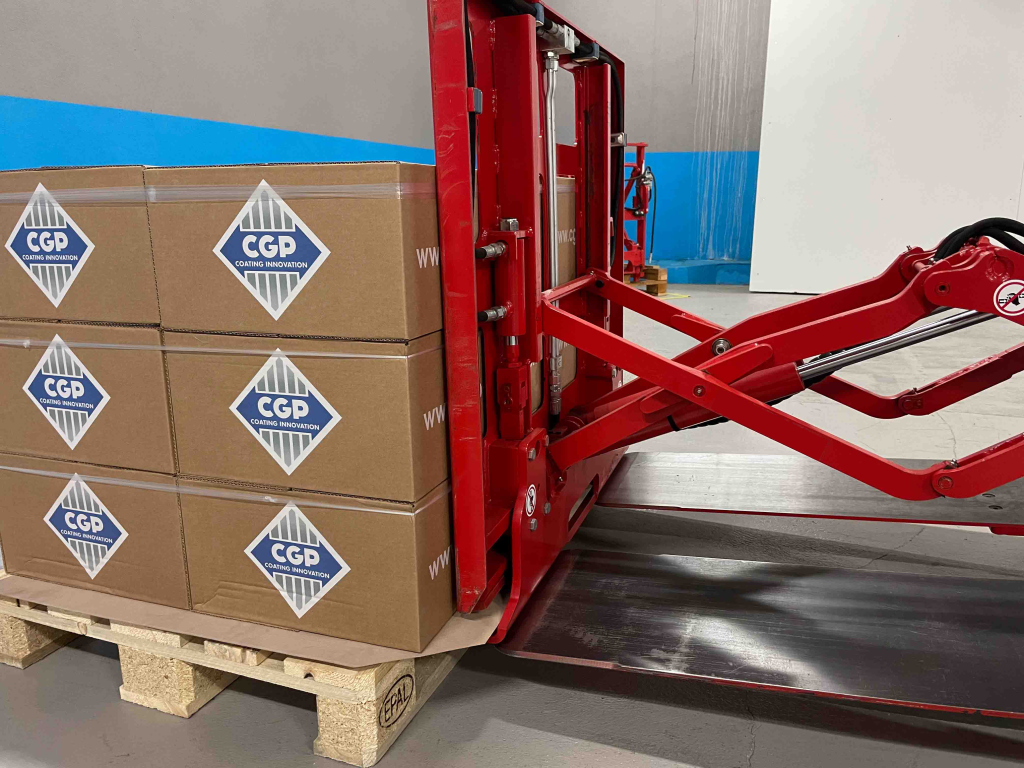
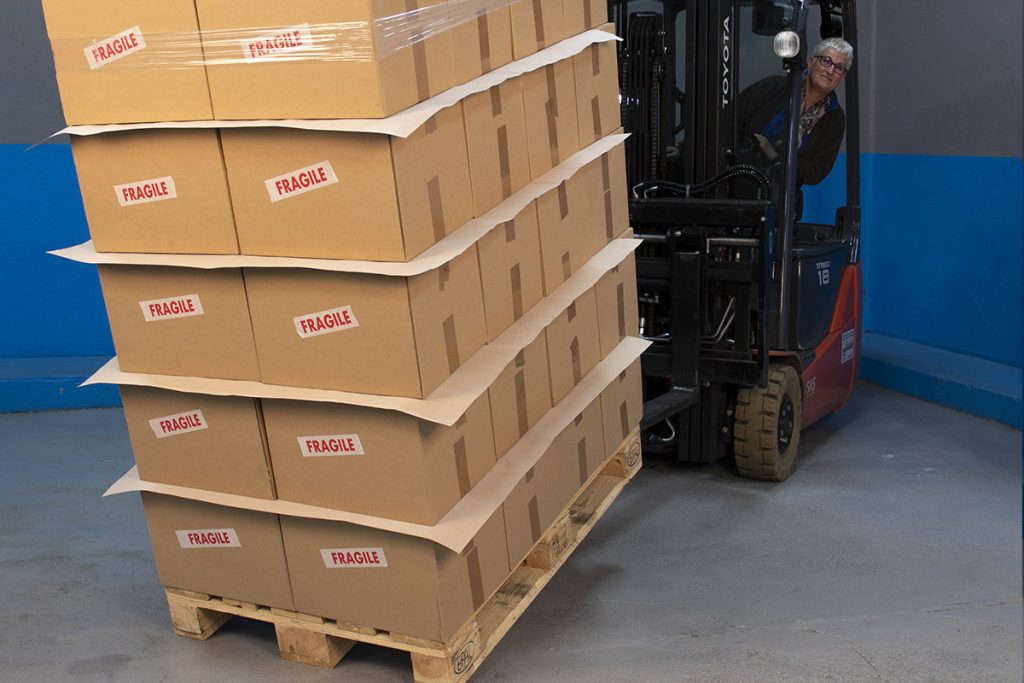
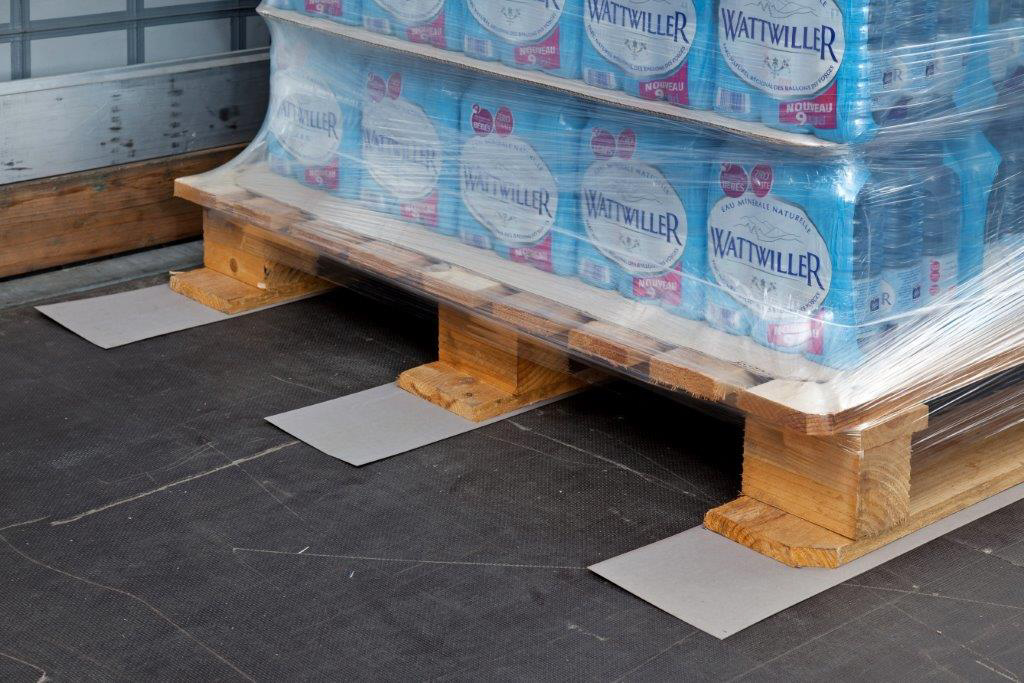
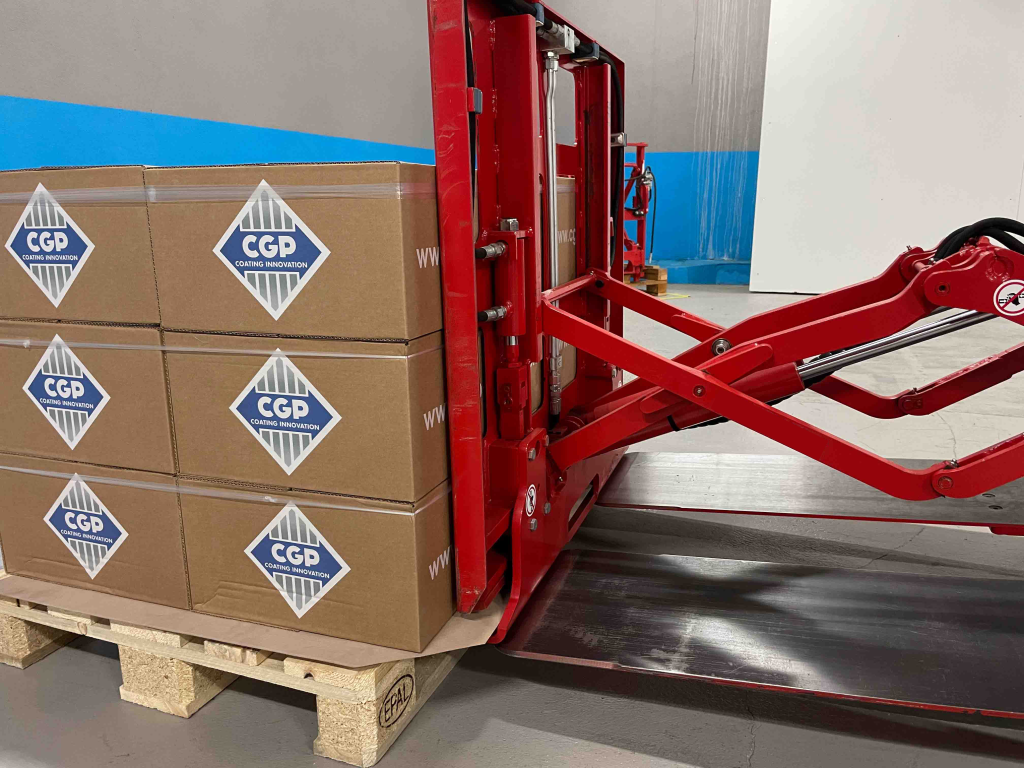
Pallet layer sheets are placed between product layers to increase the coefficient of friction between packages. By limiting relative movement between layers, they significantly improve load stability during handling, storage and transportation.
Depending on the application, they can be manufactured from paper, solid board or corrugated board and can receive specific treatments to achieve high anti-slip performance.
This technology offers several advantages:
- improved load stability;
- reduced horizontal and vertical movement;
- compatibility with many types of packaging (cartons, bags, buckets, trays, drums, jerrycans, etc.);
- potential reduction in the use of stretch film, strapping or other securing devices;
- operation independent of production line implementation conditions.
Layer sheets are particularly valued when products have slippery surfaces, when loads are heterogeneous, or when pallets are subjected to significant stresses during transportation.

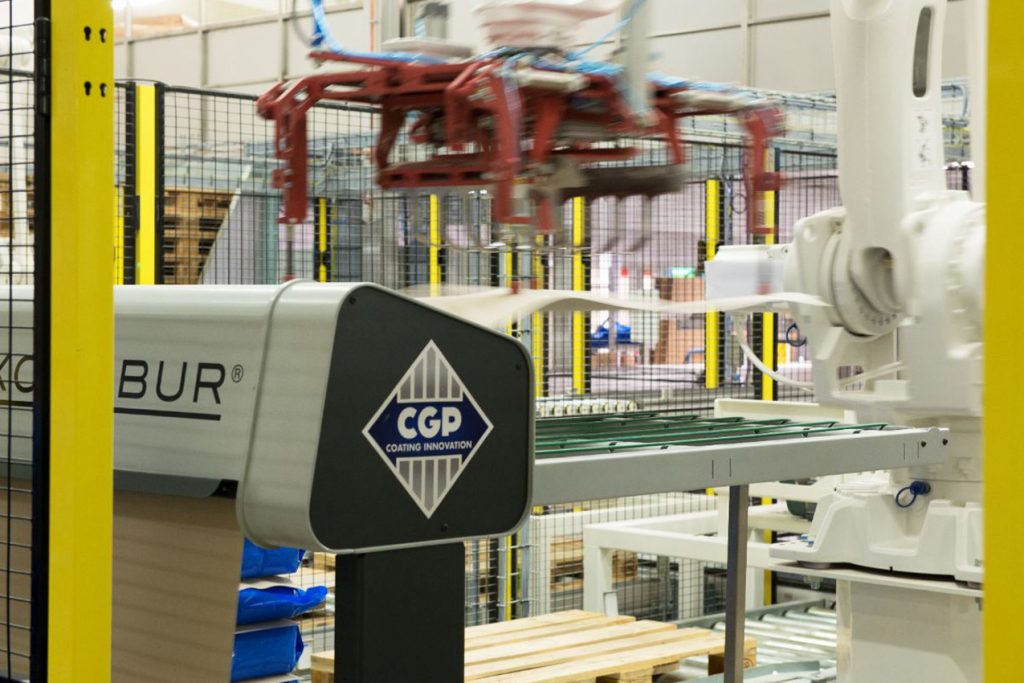
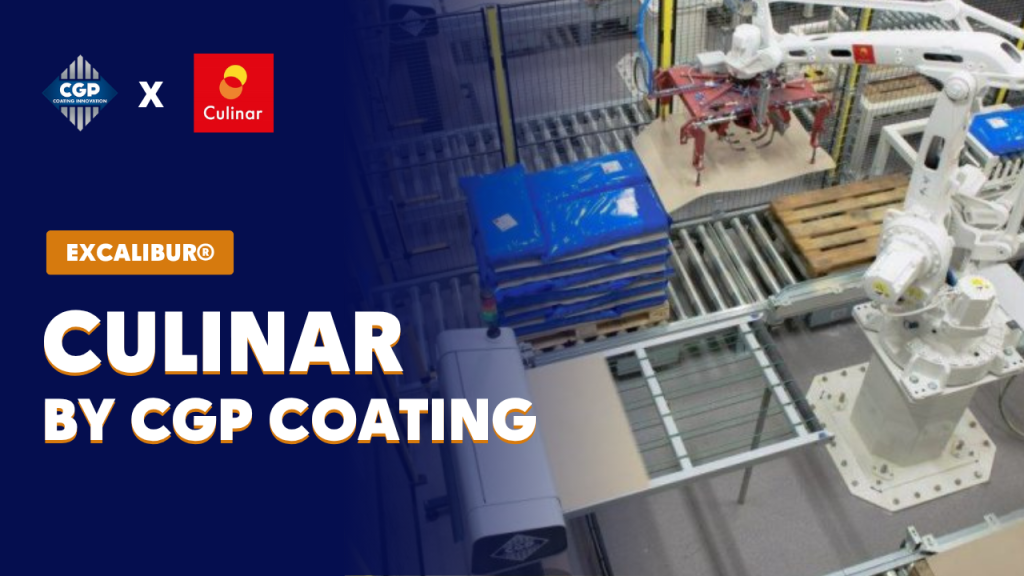
They are also widely used in automated environments where pallet stability is essential for the proper operation of automated storage systems, conveying systems or robotic depalletizing equipment.
2- Palletizing Adhesive: Stabilization Through Adhesion
Palletizing adhesive is based on the application of adhesive dots or beads between product layers. This temporary bond creates adhesion that limits package movement and strengthens load cohesion.
This solution is particularly used on high-speed production lines, where automatic adhesive application can be easily integrated into the palletizing process.
Its main advantages include:
- strong adhesion between layers;
- excellent cohesion of homogeneous loads;
- easy integration into automated production lines;
- no intermediate consumables between product layers.
However, this technology requires specific application equipment as well as a continuous adhesive supply. Performance may also vary depending on the type of packaging, temperature and humidity conditions, and the stresses encountered during transportation.
In addition, some users report adhesive residues on packaging or difficulties during depalletizing operations in certain applications.

3- Cost Comparison
The economic comparison between the two solutions cannot be limited to the unit cost of the consumable.
Layer sheets represent a direct cost related to the number of sheets used per pallet. However, they can help reduce transport damage, customer claims and the need for additional securing methods.
Palletizing adhesive generally has a relatively low material cost, but requires the acquisition, maintenance and operation of dedicated equipment. Costs related to consumables, maintenance and potential production line downtime must also be considered in the overall analysis.
An approach based on Total Cost of Ownership (TCO) is therefore generally preferable to a simple comparison of purchase prices.
4- Which Applications for Each Solution?
Anti-slip layer sheets are particularly suitable for:
- slippery packaging;
- mixed or heterogeneous loads;
- bags, buckets, trays and sensitive packaging;
- logistics flows exposed to significant transportation constraints;
- automated warehouses and robotic depalletizing systems.
Palletizing adhesive is generally preferred:
- for homogeneous loads;
- on very high-speed production lines;
- when load cohesion is the primary objective;
- in environments where automated application is already well established.
Conclusion
There is no universal solution for securing palletized loads. The choice between an anti-slip layer sheet and palletizing adhesive depends primarily on product characteristics, logistics constraints, the level of automation and the performance objectives being pursued.
Layer sheets mainly work by increasing friction between layers and offer great versatility in use. Palletizing adhesive works through adhesion and can be an effective solution for certain highly standardized applications.
In practice, the choice should be validated through real-world testing in order to assess not only the stability achieved, but also the impact on productivity, logistics costs and overall supply chain performance.


Our team will help you find the solution that meets your needs.